

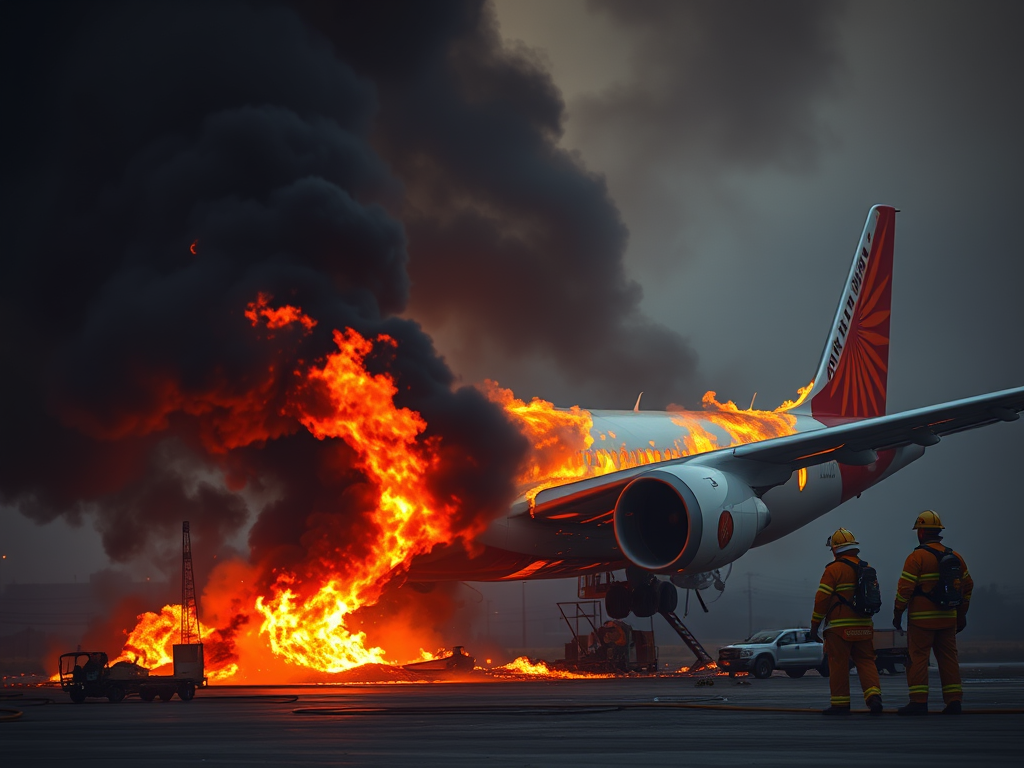


Explore the tragic Air India Flight 171 crash and the rise of aviation disasters in 2025. Learn about the causes, aftermath, and what needs to change for future safety.
Introduction
Aviation disasters, though rare, remain among the most devastating events in the modern world. The Air India Flight 171 crash, a tragic incident that occurred in 2025, has reignited concerns about air travel safety and highlighted a troubling rise in aviation disasters globally. While air travel continues to be one of the safest modes of transportation, the increase in accidents has raised questions about the future of aviation safety and the steps that must be taken to prevent further tragedies.
In this blog, we delve into the details of the Air India Flight 171 crash, its aftermath, and the broader trend of increasing aviation disasters in 2025. We will also discuss the impact on the aviation industry and what can be done to address these rising concerns.
The Air India Flight 171 Crash: A Devastating Tragedy
What Happened on Air India Flight 171?
Air India Flight 171, a domestic flight from Mumbai to Delhi, tragically crashed on February 19, 2025, during its approach to Delhi International Airport. The Boeing 737, which was carrying 178 passengers and a crew of 10, encountered severe turbulence and mechanical issues shortly before landing. Despite the crew’s best efforts to regain control, the aircraft crashed just a few miles from the runway, resulting in the loss of 152 lives, including passengers and crew members.
The immediate response from emergency services was swift, but the wreckage was extensive, and the fire that followed the crash made rescue operations even more difficult. Authorities have not yet determined the exact cause of the crash, but preliminary investigations suggest a combination of technical failure and weather-related challenges may have contributed to the disaster.
The Aftermath: Impact on Families and the Nation
The Air India Flight 171 crash has left families in mourning and raised serious questions about aviation safety. The tragic loss of life has prompted widespread grief across India and the global aviation community. Families of the victims have been left to cope with the emotional and financial toll of the tragedy, while investigations continue to uncover the precise cause of the crash.
The incident has also triggered a series of debates about air safety regulations, airline maintenance practices, and the broader implications of aviation safety in 2025. It has underscored the need for heightened vigilance in ensuring that the aviation industry remains one of the safest modes of transportation.
The Rise in Aviation Disasters in 2025
A Global Surge in Accidents
The Air India Flight 171 crash is not an isolated incident. Unfortunately, there has been a noticeable rise in aviation disasters globally in 2025. While the aviation industry has made significant advancements in safety over the past few decades, this upward trend in accidents is concerning. According to the latest reports, the number of aviation disasters in 2025 has already surpassed previous years, with several high-profile crashes making headlines worldwide.
Some of the key factors contributing to this rise in aviation accidents include:
- Increased Air Traffic: With the recovery of the global economy and the resurgence of international travel post-pandemic, air traffic has surged. The growing number of flights increases the likelihood of accidents, particularly in congested airspace and during peak travel seasons.
- Aging Aircraft Fleet: While modern aircraft are built with state-of-the-art technology, a significant portion of the global fleet consists of older planes. The maintenance and refurbishment of these older planes can sometimes be insufficient, leading to mechanical failures and accidents.
- Human Error: Despite advancements in automation and flight technology, human error remains a leading cause of aviation accidents. Pilot fatigue, miscommunication, and errors during critical flight phases can still have disastrous consequences.
- Weather and Environmental Factors: Extreme weather events such as thunderstorms, fog, and turbulence are difficult to predict and can lead to crashes, particularly in challenging landing conditions. The increasing frequency of severe weather events related to climate change has added another layer of risk to aviation safety.
Addressing the Concerns: What Needs to Change?
In light of the increasing number of aviation disasters in 2025, it is crucial for the aviation industry to take swift action to address these challenges and ensure that air travel remains as safe as possible. Some measures that could help prevent future crashes include:
- Enhanced Safety Regulations: Stronger global safety regulations and more stringent checks on older aircraft could help mitigate the risk of mechanical failures. More robust oversight on airline operations and maintenance could also help prevent accidents before they occur.
- Investment in Technology and Innovation: The introduction of more advanced flight technology, such as improved weather forecasting, autonomous flight systems, and real-time diagnostics for aircraft health, could significantly enhance safety. Investments in AI and machine learning could help prevent human error by automating some aspects of flight operations.
- Pilot Training and Fatigue Management: Ensuring that pilots receive rigorous training on handling extreme weather conditions, emergencies, and new flight technology is essential. Additionally, managing pilot fatigue through better scheduling and rest periods could reduce human error-related incidents.
- Improved Emergency Response: Quick and effective emergency response protocols are essential to saving lives after an accident. Investment in better-equipped airports and emergency personnel training can help minimize the impact of accidents when they occur.
Conclusion: A Call for Action in the Wake of Tragedy
The Air India Flight 171 crash has left an indelible mark on the aviation industry and the families affected by the tragedy. While this devastating event is a reminder of the risks associated with air travel, it also highlights the urgent need for the aviation sector to address rising safety concerns.
With the increasing number of aviation disasters in 2025, it is imperative for global aviation authorities, airlines, and governments to take proactive steps to enhance safety, improve regulations, and invest in technology to prevent future tragedies. As we move forward, the priority must remain on making air travel safer for everyone, ensuring that no family has to endure the heartache caused by another aviation disaster.
Disclaimer:
This blog is intended for informational and educational purposes only. The views expressed are personal opinions or general insights, not professional or legal advice. Readers should do their own research or consult relevant professionals before taking action based on this content.
#AirIndiaFlight171 #AviationDisasters2025 #FlightSafety #AirIndiaCrash #AviationIndustry #Carrerbook #Anslation #FlightAccidents #AirSafetyReforms #AviationTechnology #2025AirTravel #AviationNews #FlightDisasters #AirlineSafety #AirTravel2025 #FlightRegulations #AviationInnovation




Leave a Reply