

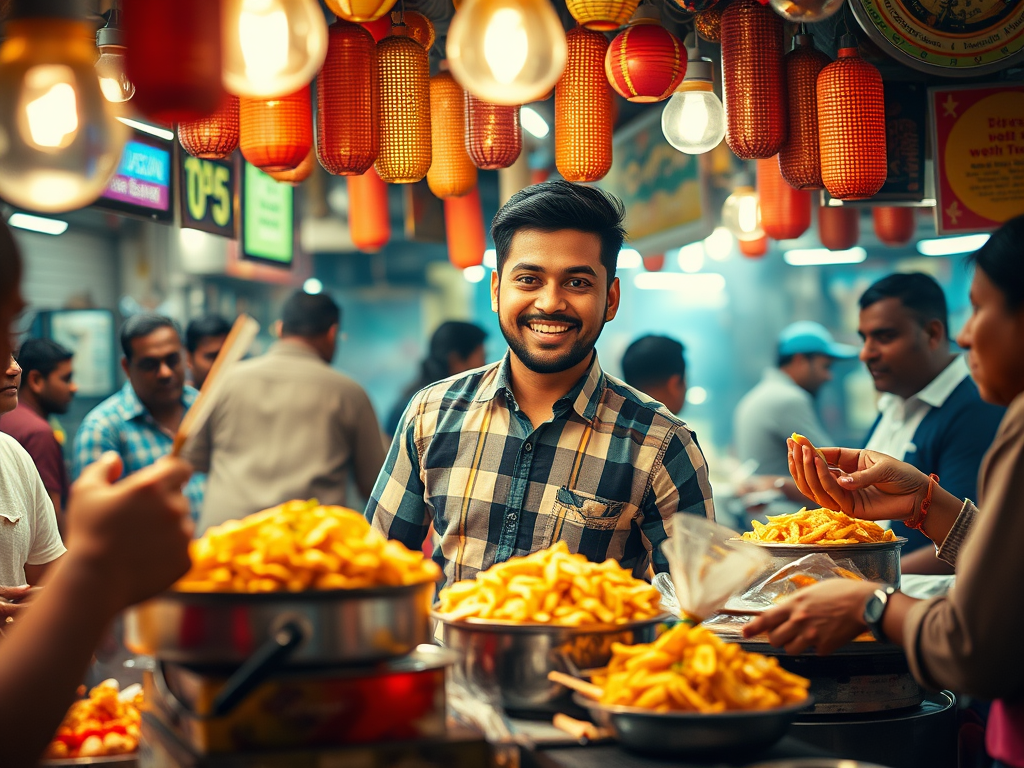

🍽️ Introduction: Street Food — A Love Affair with Flavor
India’s bustling streets are alive with the sizzle of tawa, the tang of chutneys, and the allure of spicy, crispy bites that make street food an inseparable part of our culinary culture. From golgappas in Delhi to vada pavs in Mumbai, these savory treats unite millions in their love for authentic, affordable flavors.
But in a time when food safety has become a top concern, how do we know that our beloved street food is safe to consume?
That’s where FSSAI certification steps in.
🏛️ What is FSSAI and Why Should You Care?
FSSAI stands for the Food Safety and Standards Authority of India, a regulatory body established under the Food Safety and Standards Act, 2006. It governs everything from production to packaging to sale of food across the country.
FSSAI certification ensures:
- Hygiene standards are maintained
- Ingredients are safe and approved
- Food handlers are trained
- Customers receive consistent quality
For small vendors and street food sellers, getting FSSAI certified means building trust and legitimacy in an increasingly aware consumer market.
🛺 Street Food Vendors: Tradition Meets Regulation
India has over 2.5 million street food vendors, most operating informally. With increasing urbanization and food tourism, cities like Delhi, Mumbai, and Kolkata have become famous for their street eats.
But here’s the catch:
- Lack of refrigeration
- Irregular hygiene practices
- Use of substandard oil or coloring
- Inadequate waste disposal
These issues can lead to food-borne illnesses. That’s why FSSAI launched initiatives like “Clean Street Food Hub” and FoSTaC (Food Safety Training & Certification) to train vendors and encourage licensing.
🧑🍳 How FSSAI Certification is Changing the Game
1. Boosting Food Hygiene & Safety
Vendors are now required to use:
- Clean water and fresh oil
- Food-grade utensils
- Covered containers to avoid contamination
FSSAI inspections ensure they follow these protocols regularly.
2. Empowering Small Vendors
Contrary to fear of regulation, many vendors find that:
- Certification opens doors to partnerships with online food platforms
- Local authorities offer training programs for compliance
- Their customer base grows as trust builds
3. Creating Food Hubs
Cities like Ahmedabad and Indore have certified entire streets as “Clean Street Food Hubs,” transforming hygiene and operations without sacrificing authenticity.
4. Digital Monitoring
FSSAI also encourages digital records for sourcing ingredients, allergy info, and complaint resolution—especially crucial for urban consumers and tourists.
📈 Why It Matters to You — The Street Food Lover
As a consumer, here’s what you gain from eating FSSAI-certified street food:
- ✅ Peace of mind: Reduced risk of stomach bugs and food poisoning
- ✅ Informed choices: Vendors often display certification or hygiene ratings
- ✅ Support local: You’re empowering small entrepreneurs who choose to operate responsibly
🔍 How to Identify FSSAI-Certified Vendors
- Look for the 14-digit FSSAI license number displayed at the stall
- Check for cleanliness, gloves/hairnets, and covered food items
- Use the FSSAI Food Safety Connect app to verify vendor credentials
🛑 The Challenges That Remain
While the intent is noble, challenges remain:
- Low literacy among some vendors makes compliance tricky
- Corruption and lack of awareness hinder widespread adoption
- Enforcement is uneven across states
That’s why consumer awareness is key. If we demand safety, vendors will follow.
🛒 Final Thoughts: A Delicious Future Awaits
India’s street food culture is not just about taste—it’s about community, economy, and heritage. With FSSAI certification, we’re taking steps to ensure that your favorite snacks remain safe, soulful, and sustainable.
So next time you bite into that crunchy samosa or slurp spicy chaats, know that a quiet revolution is ensuring it’s made with love and care.
⚠️ Disclaimer
This blog is intended for informational and educational purposes only. The views expressed are personal opinions or general insights, not professional or legal advice. Readers should do their own research or consult relevant professionals before taking action based on this content.
Hashtags
#FSSAI #StreetFoodIndia #FoodSafety #EatClean #IndianStreetFood #LocalEats #CleanStreetFoodHub #FSSAIcertified #HygieneFirst #FoodLoversIndia #SafeFoodMatters #UrbanEats #VocalForLocal #DesiFoodies #FoodLawIndia




Leave a Reply