

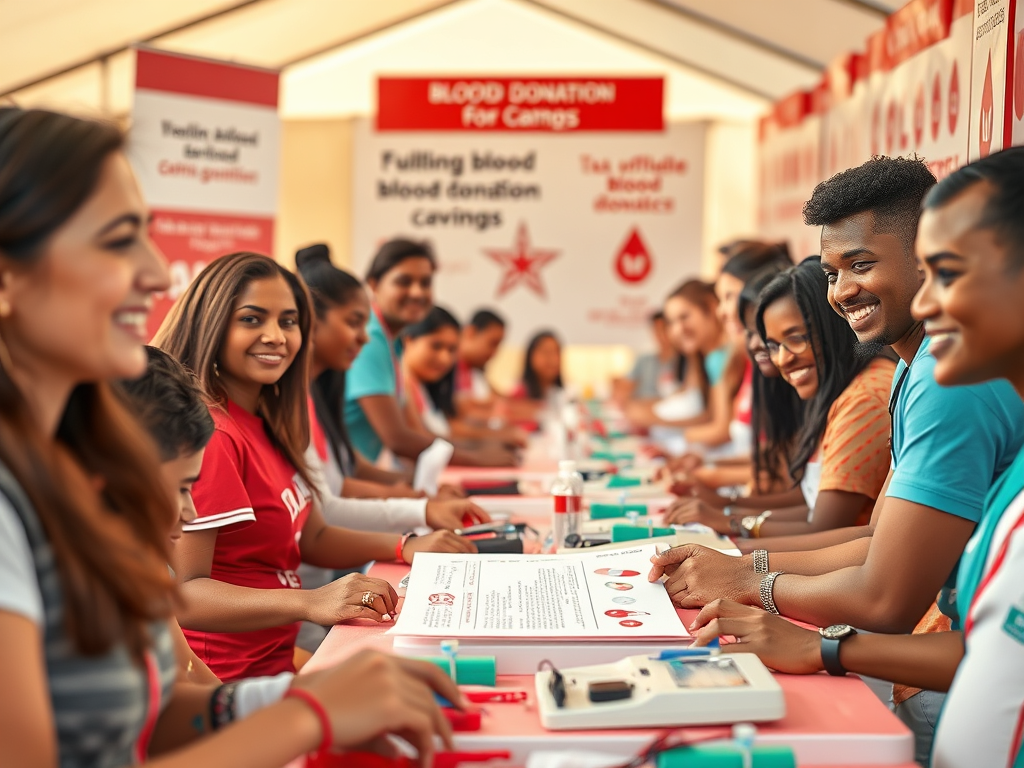

Looking to give back to your community? Here’s a practical, inspiring guide to organizing a blood donation camp that makes a real difference. 💉
🩸 How to Organize a Blood Donation Camp: Steps and Best Practices
Blood donation is one of the most impactful ways to contribute to society. A single unit of donated blood can save up to three lives. But have you ever wondered what goes into organizing a successful blood donation camp?
Whether you’re a corporate CSR team, a college group, or a neighborhood association, organizing a blood drive is an achievable and noble goal. This blog walks you through everything you need to know—from planning to execution—to make your blood donation camp a meaningful success. 💪
🧭 Why Organize a Blood Donation Camp?
Organizing a blood donation camp offers several benefits:
- Life-saving Impact: There’s always a demand for safe blood, especially during emergencies.
- Community Engagement: It’s a great way to unite people for a shared cause.
- CSR Initiative: For businesses, it enhances brand credibility and social responsibility.
- Awareness Drive: It educates people about the importance of regular blood donation.
🛠️ Step-by-Step Guide to Organizing a Blood Donation Camp

Step 1: Define Objectives and Partner with a Blood Bank
Before jumping in, clarify the purpose of the camp. Are you aiming to meet a specific blood requirement or just to promote voluntary donations?
Next, collaborate with a certified blood bank or hospital. Reputed institutions like the Red Cross Society, government blood banks, or NGO-supported centers provide technical expertise and medical personnel.
💡 Tip: Partnering with recognized organizations boosts credibility and compliance.
Step 2: Choose a Suitable Venue and Date
Pick a location that is:
- Easily accessible
- Well-ventilated and clean
- Spacious enough for donor beds, waiting areas, and refreshment counters
Common venue choices include office campuses, schools, community centers, or religious halls. Ensure the chosen date does not clash with major public holidays or local events.
Step 3: Get Required Permissions
Depending on your location, you may need:
- Approval from local health authorities
- Permission from venue owners
- Informal approvals from residential or community bodies (if needed)
The collaborating blood bank can usually assist in obtaining necessary licenses.
Step 4: Promote the Camp Effectively
Promotion is key to attracting donors. Use a mix of:
- Digital Platforms: WhatsApp, Instagram, email campaigns, and community groups
- Offline Channels: Posters, banners, and flyers at strategic locations
- Word-of-Mouth: Leverage local leaders, influencers, or school groups
Ensure your promotional content addresses common fears and myths about blood donation, such as safety, eligibility, and recovery.
💡 Pro Tip: Offer e-certificates or social media shout-outs to motivate participants!
Step 5: Plan the Logistics and Layout
Coordinate with the blood bank to arrange:
- Beds or donor chairs
- Sanitized equipment
- Trained phlebotomists and support staff
- First-aid kits and emergency support
- Refreshments for donors (juices, fruits, biscuits)
- Donor forms and ID verification setup
Ensure the flow is smooth—Registration ➡️ Screening ➡️ Donation ➡️ Rest & Refreshments.
Step 6: Ensure Donor Safety and Comfort
- Pre-screening: Check vitals, hemoglobin levels, and general eligibility
- Sanitation: Keep hand sanitizers and masks readily available
- Hydration: Encourage donors to stay hydrated before and after donation
- Observation Area: Let donors rest for 10–15 minutes post-donation
Have a dedicated team to handle fainting spells or anxiety, and ensure a first aid response is always ready.
Step 7: Acknowledge, Record & Follow-Up
- Thank your donors with certificates or small giveaways like badges or wristbands.
- Keep a record of all donors for future camps.
- Share impact reports post-event (e.g., “50 units collected = 150 lives saved”).
- Send follow-up messages thanking them and encouraging regular donations every 3 months.
🌱 Best Practices for Long-Term Success
- Schedule Regular Camps: Annual or biannual camps help build a community habit.
- Volunteer Training: Train a team for smooth operations and donor engagement.
- Feedback Loop: Collect suggestions to improve future camps.
- Collaborate with Influencers or Local Celebs: This boosts visibility and turnout.
📈 SEO Benefits for Brands and Organizations
If you’re a company or NGO, promoting your camp online can improve:
- Organic visibility through press releases and blog mentions
- Brand recall as a socially responsible organization
- Community trust leading to improved PR and stakeholder engagement
Consider creating blog posts, Instagram reels, or LinkedIn updates around the event. This creates an evergreen impact both online and offline.
💬 Final Thoughts
Organizing a blood donation camp is more than just collecting blood—it’s about saving lives, raising awareness, and strengthening community ties. With thoughtful planning and meaningful partnerships, your camp can become a memorable, impactful event that encourages a culture of giving.
So, what are you waiting for? Roll up those sleeves and start planning your next camp! 🩸
Disclaimer:
This blog is intended for informational and educational purposes only. The views expressed are personal opinions or general insights, not professional or legal advice. Readers should do their own research or consult relevant professionals before taking action based on this content.
#BloodDonationCamp #CommunityInitiatives #DonateBloodSaveLives #CSRInitiative #VolunteerForCause #HealthAndWellness #BloodDriveIndia #NGOCollaboration
#carrerbook #Anslation




Leave a Reply