

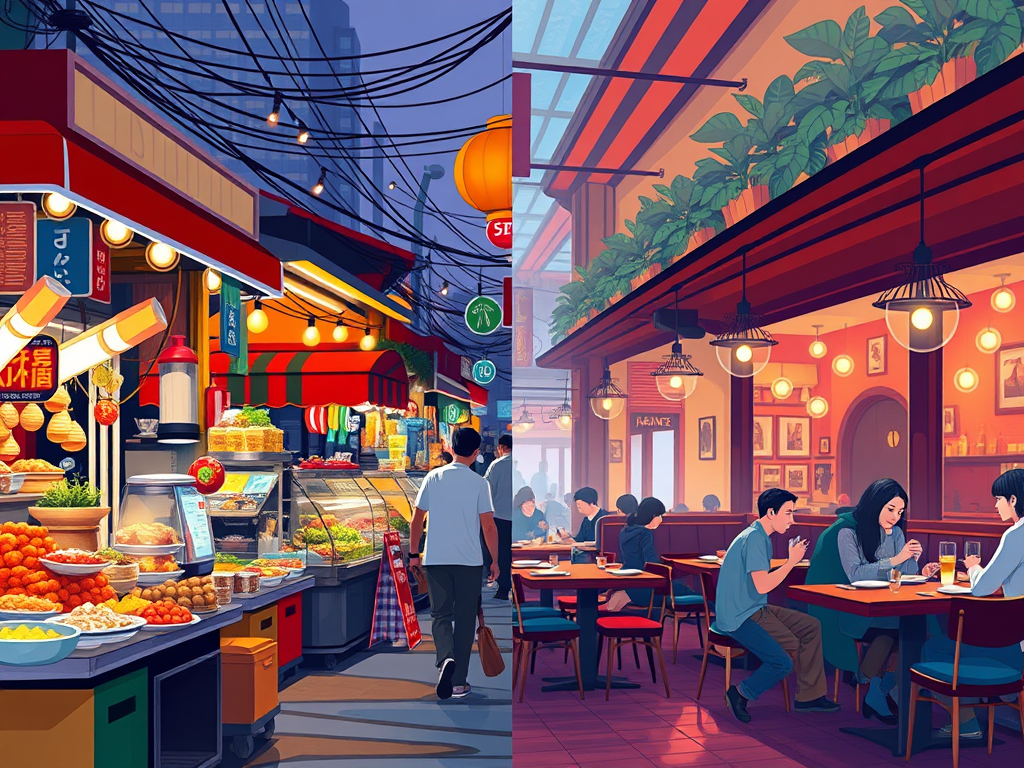


Food Delivery Trends 2025: What’s Next After Rapido?
The Indian food delivery industry has undergone a whirlwind of transformation in the last decade. From long waits and phone-based orders to hyper-fast deliveries through slick mobile apps, we’ve come a long way. But now, as we enter 2025, the question on everyone’s mind is: What’s next after Rapido?
Rapido, traditionally known for its bike taxi service, disrupted food delivery with its two-wheeler-based quick service model. It brought affordability and agility to the forefront. However, the food tech landscape refuses to stay still — and new trends are emerging that could redefine how India eats on demand.
Let’s dig in! 🍽️
🚀 Rapido’s Role in Revolutionizing Food Delivery
Before we explore the future, it’s important to understand why Rapido’s entry into food delivery was a game-changer.
- Hyperlocal Logistics: Rapido’s bike taxi network was already established in tier-1 and tier-2 cities, making it a natural extension into food delivery. Their riders could navigate congested lanes and deliver hot meals quickly.
- Affordable Deliveries: By tapping into their existing fleet, Rapido undercut pricing, especially for short-distance deliveries. This helped smaller food vendors and home chefs expand their reach.
- Last-Mile Efficiency: With real-time tracking, minimal wait times, and in-app tipping, they raised the bar on customer expectations.
So what now?
🌟 Key Food Delivery Trends for 2025
1. Drone Deliveries Go Live in Select Cities
Companies like Swiggy and Zomato have been experimenting with drone deliveries for years. 2025 is when we’ll start seeing them in action — albeit in niche zones like corporate parks, tech hubs, and gated societies.
- Why it matters: Drones promise reduced human intervention, super-fast deliveries, and lower carbon footprints.
- Limitations: High initial investment, strict airspace regulations, and weather dependency.
2. Rise of the D2C Cloud Kitchen Economy
Post-COVID saw an explosion of cloud kitchens. In 2025, many of these are scaling up with direct-to-consumer (D2C) models, bypassing aggregators like Zomato and Swiggy altogether.
- What’s new: Brands are launching their own apps or WhatsApp bots for orders.
- Benefits: Better profit margins, more personalized service, and brand loyalty.
3. Regional Cuisine & “Hyperlocal Food Apps”
People are craving authenticity. The trend of apps focusing on local flavors — say Bengali home food in Kolkata or Maharashtrian thalis in Pune — is gaining momentum.
- New startups: Namma Ruchi (South Indian focus), Zaika Gully (Lucknow delicacies), and more.
- Advantage: They tap into nostalgia, quality, and cultural pride.
4. AI-Driven Food Recommendation Engines
Imagine this: You’re hungry, but not sure what to eat. Your app reads your mood, location, weather, and recent orders — and suggests just the right meal. Sounds futuristic? It’s already here.
- Tools used: ChatGPT APIs, machine learning, and emotion-tracking algorithms.
- Impact: Increases order frequency and satisfaction.
5. EV Fleets & Sustainability Initiatives
Following Rapido’s lead, most food delivery companies are transitioning to electric two-wheelers or even bicycles in select cities.
- Green perks: Reduced emissions, lower operational costs, government subsidies.
- Popular with Gen Z: Environmentally-conscious consumers are more likely to support eco-friendly deliveries.
🛍️ Convenience Meets Customization

In 2025, consumers don’t just want fast food. They want the right food, at the right time, delivered their way.
Trends Worth Noting:
- Subscription Meals: Busy professionals are opting for weekly or monthly tiffin services from trusted brands.
- Health-First Menus: Keto, vegan, gluten-free, and diabetic-friendly meals are being prioritized in app filters.
- Customizable Combos: Mix and match options for snacks, main course, and beverages — because why not build your own thali?
🤖 Tech Is the Secret Ingredient
Integration of IoT & Smart Kitchens
Restaurants are using IoT-powered kitchens that alert delivery agents when food is ready, syncing directly with delivery apps. This minimizes prep time lag and improves freshness on arrival.
Voice Ordering & Wearables
Voice assistants like Alexa or Google Home are being trained to take food orders. Meanwhile, smartwatches are showing delivery updates in real-time. The goal? Hands-free, zero-friction ordering.
📱The Rise of Independent Food Creators
Just like Instagram influencers, food creators are becoming mini-celebrities. They operate small kitchens, sell directly via Instagram, and use WhatsApp for orders.
- Example: Home chefs in Delhi offering seasonal delicacies like mango desserts or festive thalis.
- How they operate: Zero aggregator fees, loyal customer base, and high engagement.
🔮 What Lies Ahead?
While big players will continue to dominate, the future belongs to specialization, personalization, and localization. Rapido may have lit the fuse, but the food delivery fireworks are just beginning.
We’re entering an era where food delivery will be:
- More immersive 🌐
- More sustainable 🌱
- More personalized 🧠
- And surprisingly, more emotional — because food is ultimately about connection.
✍️ Caption:
The future of food delivery in India is sizzling with innovation! Here’s what’s next after Rapido reshaped the game. 🚀🍔
⚠️ Disclaimer:
This blog is intended for informational and educational purposes only. The views expressed are personal opinions or general insights, not professional or legal advice. Readers should do their own research or consult relevant professionals before taking action based on this content.
🔥 SEO Hashtags
#FoodDeliveryTrends2025#FutureOfFoodTech#PostRapidoEra#DroneDeliveryIndia#CloudKitchens#IndianFoodCulture#EVDeliveryFleet#FoodStartupIndia#SustainableFoodDelivery#AIInFoodTech#VoiceOrdering#HyperlocalFood#FoodTechInnovation#HealthBasedMeals#D2CFoodBrands#carrerbook #anslation




Leave a Reply