

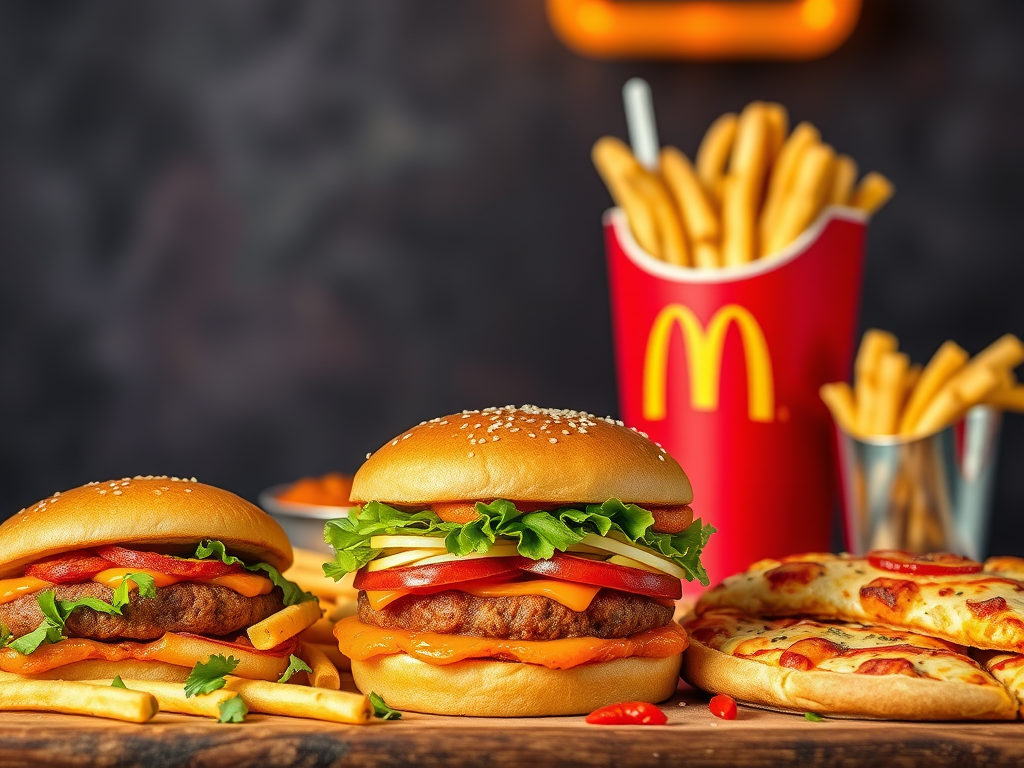

Introduction: Global Brands, Local Tastes
Global fast food chains have taken the world by storm — but surviving and thriving in a market as diverse and culturally rooted as India? That takes more than a juicy burger or crispy fries.
Over the last decade, big names like McDonald’s, KFC, Domino’s, and Subway have dramatically evolved their offerings in India. The reason? Localization. From spicing things up to offering vegetarian options and even ditching beef and pork altogether, these brands are rewriting the global fast food playbook to suit Indian palates.
In this blog, we’ll explore how fast food giants are going local — with McDonald’s as the prime example — and why this trend is setting the benchmark for culinary globalization.
H2: Why Localization Matters in India
India isn’t a one-flavor-fits-all kind of country. It’s a complex mosaic of regions, religions, and dietary customs. Vegetarianism is widely practiced, beef consumption is taboo for many, and spicy food reigns supreme. For global chains, this means localization isn’t optional — it’s mission-critical.
Fast food companies must understand:
- Cultural sensitivities
- Regional taste preferences
- Dietary restrictions
- Economic diversity
Failure to adapt can mean being cast aside by millions of potential customers.
H2: McDonald’s – The King of Customization in India
H3: No Beef, No Pork Policy
One of McDonald’s boldest moves in India was to completely eliminate beef and pork from its menu. Instead, they introduced:
- McAloo Tikki Burger – A spiced potato patty burger, now a cult favorite.
- McVeggie & McSpicy Paneer – Designed for vegetarian customers seeking both flavor and spice.
- Chicken Maharaja Mac – India’s take on the Big Mac, with chicken replacing beef.
This wasn’t just strategic — it was respectful. And that respect earned them loyalty.
H3: Spices, Sauces, and Street Food Inspiration
Indian taste buds crave complexity. McDonald’s India has infused local flavors into sauces, patties, and sides, including:
- Chatpata spice blends
- Tandoori sauce drizzles
- Masala wedges instead of plain fries
This blend of global technique and local flavor creates a bridge between cultures — fast food with a soul.
H2: Going Beyond McDonald’s: A Broader Trend in Fast Food
McDonald’s may be the torchbearer, but it’s not alone. Other fast food giants are riding the localization wave:
H3: KFC India
- Offers Veg Zinger and Smoky Grilled Paneer sandwiches
- Introduced KFC Biryani Box, merging a desi classic with their signature chicken
H3: Domino’s India
- Created localized pizzas like Peppy Paneer, Achari Do Pyaza, and Cheese Burst Tikka
- Offers Jain-friendly versions (no onion, garlic)
H3: Subway India
- Boasts a rich variety of vegetarian subs
- Features regional breads and seasonings
Localization here isn’t a gimmick — it’s smart business and a necessity in India’s hyper-diverse food landscape.
H2: The Business Case Behind Localization
H3: Customer Retention & Loyalty
Consumers feel seen when their dietary preferences are honored. Localization builds trust and repeat business, especially in a country where food is deeply personal and ritualistic.
H3: Competitive Advantage
Global chains must compete not just with each other but also with local street food, mom-and-pop restaurants, and D2C brands. Adapting to local tastes gives them the edge.
H3: Social Media & Cultural Resonance
A spicy McPaneer burger or a biryani bucket doesn’t just taste good — it trends well. Localization adds cultural relevance, which drives organic content, hashtags, and viral moments.
H2: Challenges of Localization
It’s not all smooth sailing. Fast food chains face:
- Supply chain hurdles in sourcing local ingredients at scale
- Maintaining consistency across hundreds of outlets
- Balancing global brand identity with local experimentation
But those who navigate it well are often rewarded with both profit and prestige.
H2: The Road Ahead – Hyperlocal and Hyperconnected
As India’s middle class grows and food delivery apps surge, the demand for localized fast food will only intensify. Here’s what to expect:
- Region-specific menus (think Tamil Nadu’s Chettinad specials)
- Health-conscious local spins (like millet-based buns or vegan options)
- Collaborations with Indian chefs or influencers for limited edition meals
The future of fast food in India is one where global meets local — and both win.
Final Thoughts
Localization isn’t just a strategy — it’s a sign of respect. By embracing Indian flavors, customs, and values, fast food giants like McDonald’s have transformed from foreign invaders to beloved comfort food providers.
As global chains continue to adapt and evolve, one thing is clear: in India, the way to a consumer’s heart is through their taste buds — especially if it’s masala-coated.
✍️ Caption
McDonald’s didn’t just enter India — it adapted, spiced up, and earned its place. Discover how global fast food is going desi 🍔🇮🇳
#FoodLocalization #McDonaldsIndia #FastFoodTrends #IndianFlavors #GlobalMeetsLocal #DesiBurger #TandooriTwist #StreetFoodInspiration #FoodInnovation #McAlooTikki #KFCIndia #DominosIndia #FoodMarketing #IndianFoodie #FusionFlavors #anslation #carrerbook #heloies
Disclaimer
Disclaimer: This blog is intended for informational and educational purposes only. The views expressed are personal opinions or general insights, not professional or legal advice. Readers should do their own research or consult relevant professionals before taking action based on this content.




Leave a Reply