

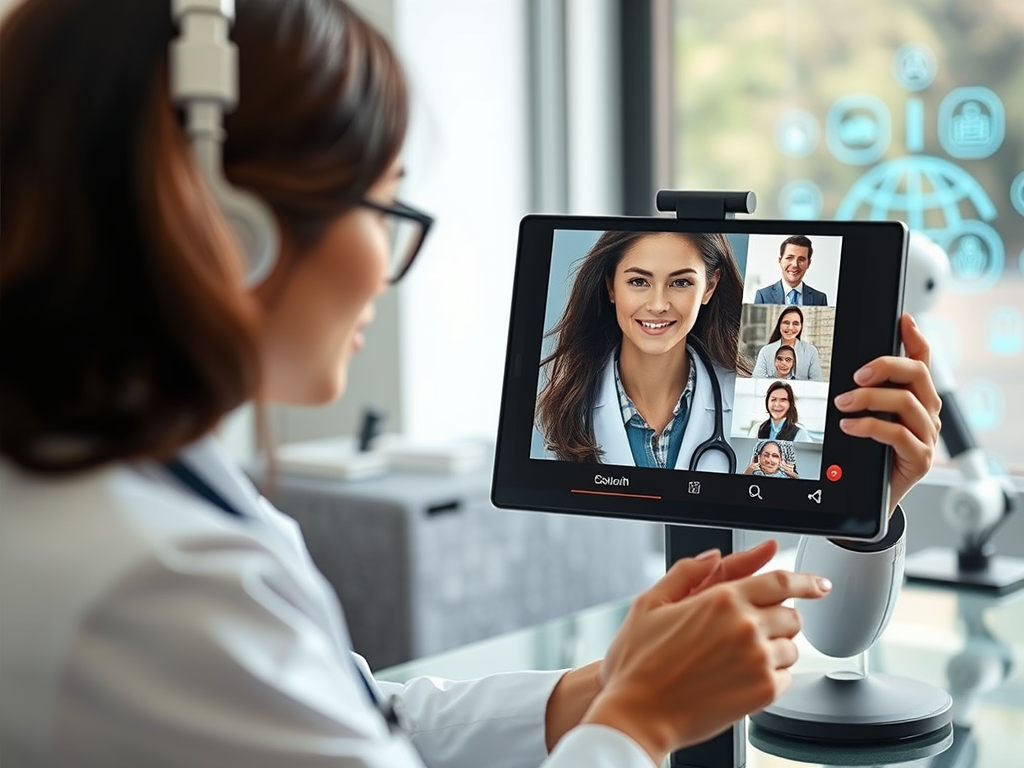

📱 What is Telemedicine?
Telemedicine refers to the use of digital communication tools—video calls, mobile apps, remote monitoring devices—to deliver healthcare services without an in-person visit. Once a novel concept, it’s now revolutionizing the way we access doctors, manage chronic conditions, and receive mental health care.
Key benefits of telemedicine:
- Access to specialists, regardless of location
- Reduced waiting times and travel
- Enhanced patient monitoring
- Lower healthcare costs
The COVID-19 pandemic served as a catalyst, but the momentum hasn’t stopped. With advances in AI, wearable tech, and 5G connectivity, telemedicine is evolving rapidly.
🌐 The Evolution of Digital Healthcare
Healthcare’s digital transformation started slowly but gained speed through necessity. In 2020, telehealth visits skyrocketed by over 150% in the U.S. alone. Governments, insurers, and tech platforms raced to adapt.
Today, platforms like Teladoc, Amwell, and even Zoom for Healthcare enable everything from psychiatric evaluations to dermatology checkups—remotely and securely.
Major developments:
- AI integration for symptom checks and triage
- EHR (Electronic Health Record) integration for seamless data sharing
- Remote Patient Monitoring (RPM) tools for chronic conditions like diabetes, hypertension, and asthma
💡 Why Telemedicine is a Game-Changer
Telemedicine is more than a convenience—it’s reshaping the healthcare experience.
1. Increased Accessibility
Rural and underserved communities gain access to doctors and specialists, eliminating hours-long travel or months-long waitlists.
2. Improved Patient Compliance
Regular virtual check-ins make it easier to follow treatment plans, refill prescriptions, and address issues before they escalate.
3. Mental Health Support
Platforms like BetterHelp and Talkspace have normalized remote therapy, helping reduce stigma and increasing mental health accessibility.
🔍 Challenges to Consider
Despite its promise, telemedicine isn’t without hurdles.
⚠️ Tech Barriers
Not all patients have access to stable internet or smartphones. Seniors and those unfamiliar with digital tools may struggle.
⚠️ Regulatory Hurdles
State-by-state licensing, data security laws like HIPAA, and insurance reimbursements can slow adoption.
⚠️ Lack of Physical Examination
Virtual care can’t replace hands-on diagnostics in some scenarios, making in-person visits still essential.
💬 Real-World Applications
From urgent care to chronic illness management, telemedicine’s scope is broadening.
- Pediatrics: Quick parent consultations for fevers or rashes.
- Dermatology: High-res image uploads for skin evaluations.
- Cardiology: Wearables transmit ECG data in real-time.
- Psychiatry: Video sessions with licensed professionals.
These services reduce ER visits, minimize exposure to contagions, and enable earlier intervention.
🛠️ Telemedicine & Technology Integration
Emerging tech is pushing telemedicine’s boundaries:
🧠 Artificial Intelligence (AI)
AI chatbots like Ada and Babylon can pre-screen symptoms, reducing doctor workloads and improving triage.
⌚ Wearables & IoT Devices
Smartwatches now monitor vitals like heart rate, oxygen levels, and even sleep patterns—data that syncs directly with providers.
🔐 Data Privacy Tools
Encrypted platforms and blockchain integration are improving data privacy, a top concern in remote care.
🏥 What’s Next for Telemedicine?
The future is promising. Expect to see:
- Hybrid models combining in-person and virtual visits
- Virtual reality (VR) for physical therapy or surgical training
- AI-driven diagnostics that flag early warning signs
- More personalized medicine through continuous remote data collection
Large healthcare providers and startups alike are investing in making care more proactive and predictive, not just reactive.
🚀 Final Thoughts
Telemedicine isn’t just a stop-gap—it’s a permanent shift toward smarter, more patient-centric healthcare. As technology continues to evolve, virtual healthcare is poised to be the default, not the exception.
If you haven’t tried a virtual visit yet, this might be the time to explore. From routine checkups to therapy sessions, your next doctor’s appointment could be just a click away.
✍️ Caption:
Telemedicine is changing how we approach healthcare—accessible, fast, and right at your fingertips. Discover the future of medicine, now.
⚠️ Disclaimer
This blog is intended for informational and educational purposes only. The views expressed are personal opinions or general insights, not professional or legal advice. Readers should do their own research or consult relevant professionals before taking action based on this content.
#Telemedicine #DigitalHealth #HealthTech #RemoteCare #VirtualDoctor #HealthcareRevolution #FutureOfMedicine #AIinHealthcare #MentalHealthOnline #RemotePatientMonitoring #EHealth #HybridHealthcare #WearableHealthTech #AccessibleCare #TelehealthServices#carrerbook #anslation




Leave a Reply