

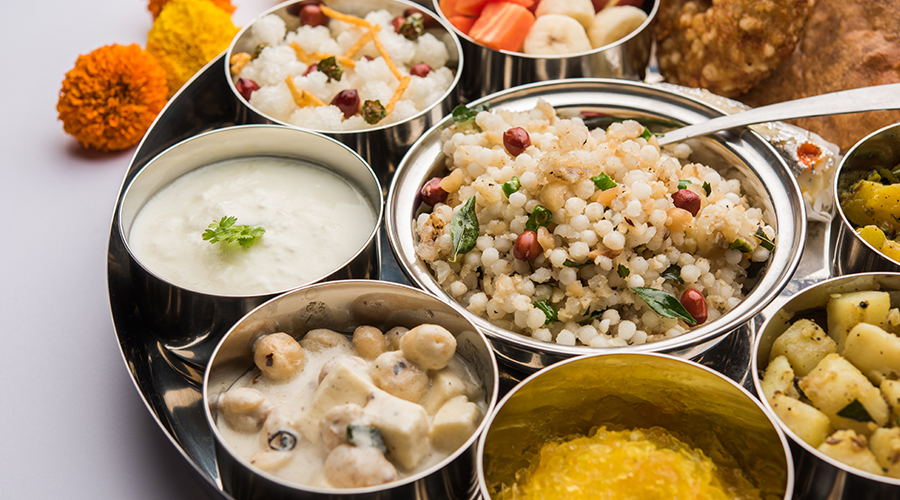

Navratri, one of the most awaited festivals in India, is not just about worshipping the goddess Durga but also about maintaining purity, discipline, and devotion through fasting and feasting. During this period, devotees abstain from regular food and indulge in sattvic meals made from specific ingredients, such as buckwheat, sabudana (tapioca), potatoes, and fruits, which are considered pure. The fasting period also presents a great opportunity to try new, flavorful recipes that nourish the body while keeping in line with the tradition.
In this post, we will explore a few traditional and mouthwatering Navratri fasting recipes that you can enjoy throughout the festival. These recipes are easy to make, rich in flavor, and packed with nutritional value to keep you energized during the nine days of fasting.
1. Sabudana Khichdi (Tapioca Pearl Porridge)


Sabudana Khichdi is one of the most popular and loved fasting recipes, and it’s a perfect combination of taste and energy. Tapioca pearls (sabudana) are light, easy to digest, and provide a good source of carbohydrates, making them perfect for fasting days.

Ingredients:
- 1 cup sabudana (tapioca pearls)
- 1-2 tablespoons ghee (clarified butter)
- 1 boiled potato, mashed
- 1-2 green chilies (optional)
- ½ teaspoon cumin seeds
- Sendha namak (rock salt) to taste
- A pinch of black pepper
- 1 tablespoon chopped coriander leaves
- A handful of roasted peanuts
Method:
- Soak Sabudana: Rinse the sabudana thoroughly and soak it in water for about 4-6 hours or overnight. Drain excess water if any remains.
- Heat Ghee: In a pan, heat ghee and add cumin seeds. Let them splutter to release their aroma.
- Add Green Chilies & Potatoes: If you like some heat, add chopped green chilies. Then, add mashed potatoes and sauté for a few minutes.
- Cook Sabudana: Add the soaked sabudana to the pan, and stir gently. Let it cook for 5-7 minutes, ensuring that the sabudana doesn’t stick to the pan.
- Season & Garnish: Add sendha namak and black pepper to taste. Garnish with roasted peanuts and freshly chopped coriander leaves.
- Serve Hot: Serve your Sabudana Khichdi warm, with a side of fresh yogurt or raita.
Tip: You can also add a squeeze of lemon for extra zest.
2. Kuttu Ki Puri (Buckwheat Flour Puri)


Kuttu ki Puri is another popular dish prepared during Navratri fasting. Buckwheat flour, known as kuttu, is gluten-free, making it a perfect alternative to wheat flour. It’s light yet filling and pairs perfectly with a variety of dishes like sabudana khichdi or aloo tamatar ki sabzi.

Ingredients:
- 1 cup kuttu flour (buckwheat flour)
- 1 tablespoon ghee
- A pinch of sendha namak (rock salt)
- Water, as required
- Ghee for frying
Method:
- Prepare the Dough: In a mixing bowl, add kuttu flour, a pinch of sendha namak, and melted ghee. Gradually add water to form a soft and smooth dough.
- Roll the Puri: Divide the dough into small portions and roll each portion into a smooth ball. Roll each ball into a small, flat disc (puri) using your fingers or a rolling pin.
- Fry the Puri: Heat ghee in a pan over medium heat. Fry the puris until they turn golden brown and crisp. Ensure the puris are fried well from both sides.
- Serve Hot: Serve the Kuttu Ki Puri hot with sabudana khichdi or dahi (yogurt).
Tip: You can also add carom seeds (ajwain) to the dough for additional flavor.
3. Aloo Tamatar Ki Sabzi (Potato-Tomato Curry)


Aloo Tamatar Ki Sabzi is a simple yet flavorful curry made with boiled potatoes and tomatoes. This dish is light, filling, and packed with the goodness of potatoes, making it an excellent option for those fasting during Navratri.
Ingredients:
- 2 boiled potatoes, cubed
- 2 tomatoes, chopped
- 1 tablespoon ghee
- 1 teaspoon cumin seeds
- 1 green chili, chopped
- ½ teaspoon sendha namak (rock salt)
- 1 teaspoon ginger, grated
- A handful of fresh coriander leaves
Method:
- Cook Tomatoes: Heat ghee in a pan, add cumin seeds, and let them splutter. Add chopped green chilies and grated ginger. Sauté for a minute before adding chopped tomatoes.
- Simmer the Curry: Cook the tomatoes until they soften and become mushy. Stir occasionally to avoid burning.
- Add Potatoes & Season: Add boiled potatoes to the tomato mixture and stir well. Add sendha namak and cook for an additional 5 minutes.
- Garnish & Serve: Garnish with fresh coriander leaves and serve hot with kuttu puris or singhare ke atte ki paratha.
Tip: You can also add a little bit of sugar to balance the acidity of tomatoes and enhance the flavors.
4. Makhana Kheer (Foxnut Pudding)


Makhana Kheer is a sweet dessert made from foxnuts, also known as makhana. This dish is creamy, flavorful, and nourishing, making it a perfect end to your fasting meal.
Ingredients:
- 1 cup makhana (foxnuts)
- 2 cups full-fat milk
- ½ cup sugar (or to taste)
- 4-5 cardamom pods
- 1 tablespoon chopped almonds
- 1 tablespoon ghee
Method:
- Roast the Makhana: In a pan, heat ghee and roast the makhana until they turn crispy and slightly golden. Set them aside.
- Cook the Kheer: In a saucepan, bring the milk to a boil. Add the roasted makhana to the boiling milk and let it cook for about 10 minutes on low heat.
- Add Sugar & Flavoring: Once the milk thickens, add sugar and crushed cardamom. Stir well and let the kheer simmer for another 5 minutes.
- Garnish & Serve: Garnish the kheer with chopped almonds and serve warm or chilled.
Tip: You can substitute sugar with jaggery for a healthier option.
5. Singhare Ki Roti (Water Chestnut Flour Flatbread)


Singhare Ki Roti is a great alternative to regular roti during Navratri. Made from water chestnut flour (singhara atta), it is gluten-free and a good source of energy.
Ingredients:
- 1 cup singhara flour (water chestnut flour)
- Sendha namak (rock salt) to taste
- 1 tablespoon ghee (optional)
- Water, as required
Method:
- Prepare the Dough: In a mixing bowl, add singhara flour, sendha namak, and a tablespoon of ghee. Gradually add water and knead into a smooth dough.
- Shape the Roti: Divide the dough into small balls. Roll each ball into a flat disc with a rolling pin. You may need to dust the dough with some dry flour while rolling.
- Cook the Roti: Heat a tawa (griddle) and cook the roti until both sides are golden brown.
- Serve Hot: Serve with dahi (yogurt) or your favorite curry.
6. Vrat Ke Chawal (Fasting Rice)


Unlike regular rice, Vrat Ke Chawal is made from Samak rice (also known as barnyard millet), which is a popular substitute during fasting.
Ingredients:
- 1 cup Samak rice (barnyard millet)
- 1 tablespoon ghee
- Sendha namak (rock salt)
- 1 green chili, chopped
- 1 tablespoon chopped coriander leaves
Method:
- Rinse the Rice: Wash the Samak rice thoroughly under running water.
- Cook the Rice: In a pan, heat ghee and sauté chopped green chili for a minute. Add the Samak rice and stir for 2 minutes. Add 1.5 cups of water and bring to a boil.
- Simmer the Rice: Reduce the heat, cover, and cook the rice for 10-12 minutes, or until all the water is absorbed.
- Garnish & Serve: Garnish with fresh coriander leaves and serve as a side dish with sabzi or yogurt.
7. Fruit Salad with Honey and Lemon


Fruit Salad is a refreshing and light dish that adds a sweet touch to your Navratri meals. It’s a healthy option packed with vitamins and antioxidants.
Ingredients:
- 1 apple, chopped
- 1 banana, chopped
- ½ pomegranate, seeds only
- 1 orange, peeled and segmented
- 1 tablespoon honey
- A squeeze of lemon juice
- A pinch of cinnamon (optional)
Method:
- Combine the Fruits: In a large bowl, combine all the fruits.
- Drizzle Honey & Lemon: Add honey and a squeeze of fresh lemon juice for added flavor.
- Mix & Serve: Gently toss the fruits to mix the flavors and serve chilled.
1. Can I use regular salt during Navratri fasting?
- No, regular salt should be avoided during Navratri fasting. Always use sendha namak (rock salt), as it is considered pure and suitable for fasting.
2. Are these recipes gluten-free?
- Yes, all of the recipes mentioned above are naturally gluten-free, as they use ingredients like buckwheat flour (kuttu), sabudana, and potatoes, which do not contain gluten.
3. Can I use sugar in fasting recipes?
- Yes, you can use natural sweeteners like jaggery or sugar in recipes like Makhana Kheer. However, avoid using refined sugar to maintain the purity of your fast.
4. How long can I store these fasting foods?
- These dishes can be stored in an airtight container in the refrigerator for up to 2 days. However, it is best to consume them fresh for maximum flavor and nutrition.
Column: Tips for a Successful Navratri Fast
- Stay Hydrated: Drink plenty of water, coconut water, or fruit juices to stay hydrated during the fast. Staying hydrated is crucial for maintaining energy levels.
- Include Protein: Include protein-rich foods like peanuts, paneer, or boiled potatoes in your meals to keep your muscles and energy levels sustained.
- Avoid Processed Foods: Stick to whole, natural foods during the fast. Avoid processed snacks or foods that may not be compatible with your fasting routine.
- Go Easy on Spices: While fasting, it’s best to avoid using overly spicy ingredients, as they may irritate your digestive system.
- Plan Your Meals: Ensure that your fasting meals include a balanced mix of carbohydrates, proteins, and healthy fats to keep you energized.
The recipes provided here are intended to be part of a balanced and healthy Navratri fasting diet. Please consult a healthcare professional if you have any medical conditions, allergies, or dietary restrictions before attempting these recipes.
#NavratriRecipes #FastingFood #NavratriVrat #HealthyNavratri #TraditionalRecipes #SattvicDiet #VratRecipes #NavratriCelebrations #NavratriSpecial #IndianFestivalFood #VratKiRaat #HealthyEating #FestiveFood #Carrerbook #anslation



Leave a Reply