

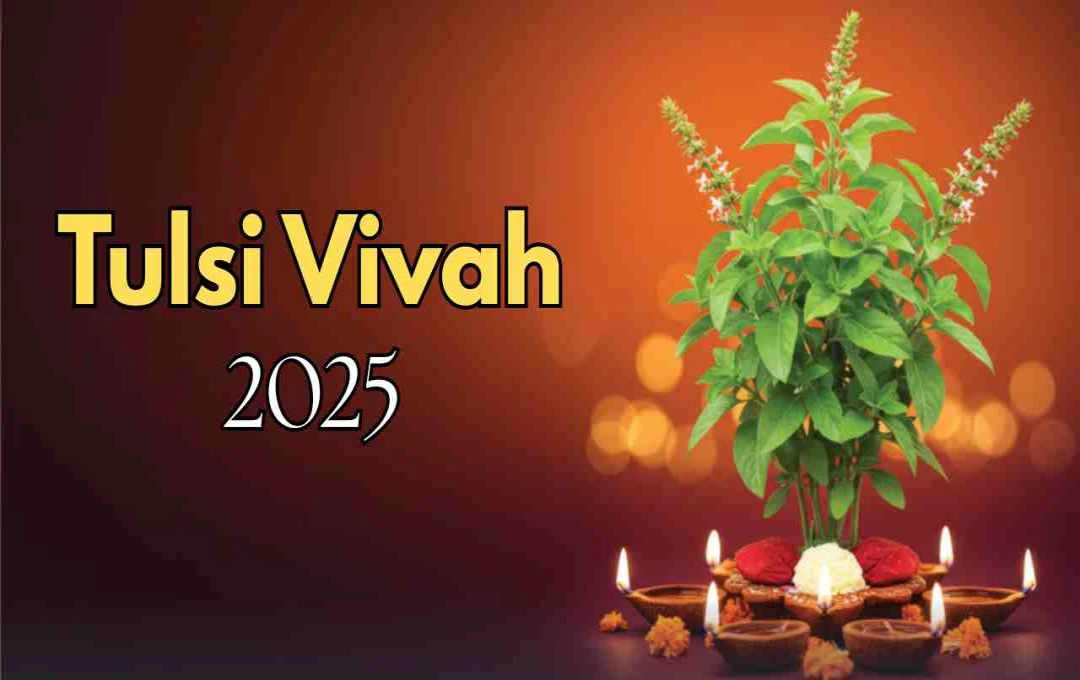

Tulsi Vivah: A Festival of Love, Faith, and Devotion

Every year, when the weather starts to cool down, there’s one special day that I always look forward to—Tulsi Vivah. Growing up, I remember how excited my family was about this day. It wasn’t just about the prayers, but about the love, devotion, and blessings this day brings. For me, Tulsi Vivah has always felt like a celebration of faith, love, and connection with God.
What is Tulsi Vivah?
Tulsi Vivah is the celebration of the marriage between Tulsi (Holy Basil), a very sacred plant, and Lord Vishnu in the form of Shaligram (a stone symbol of Lord Vishnu). This festival takes place on the 11th day of Kartika month (usually in November), and it marks the start of the wedding season in many parts of India.
Tulsi is seen as a symbol of purity and divine energy. The festival honors the plant and its connection with the divine, while also bringing prosperity and happiness to those who observe it.
Why is Tulsi So Special?

Tulsi is not just any plant. In Hindu culture, it is believed to have great spiritual significance. It represents Lakshmi, the goddess of wealth and prosperity, and is known for its healing properties. People use Tulsi leaves in prayers, as it’s believed to purify the body and soul.
For generations, we’ve believed in its ability to heal and protect. Whether it’s a cold, cough, or general health issues, people turn to Tulsi for its many benefits. But it’s during Tulsi Vivah that this plant truly shines, as it is married to Lord Vishnu, symbolizing divine blessings.
How Do We Celebrate Tulsi Vivah?

The day of Tulsi Vivah begins with preparing the Tulsi plant. Traditionally, families clean the area around the plant, decorate it with flowers, and set up an altar. The Tulsi Vrindavan (a small structure that holds the plant) is cleaned and beautifully adorned.
Here’s how the celebration usually goes:
- Sankalp (Setting an Intention): The family gathers around the plant and prays for peace, prosperity, and happiness. It’s a time for spiritual connection.
- Puja (Prayers): Flowers, fruits, and Tulsi leaves are offered to both Lord Vishnu (in the form of Shaligram) and the Tulsi plant. The prayers are said to bring blessings to the home.
- Saptapadi (Seven Steps): This is a symbolic marriage between Lord Vishnu (as Shaligram) and Tulsi. The family takes seven steps, just like in a wedding ceremony, to show the union.
- Prayers for Prosperity: People pray for a year full of good health, success, and happiness. It’s a very auspicious time to ask for blessings.
- Family Celebration: After the rituals, families come together to share a meal and celebrate. It’s a day of bonding, love, and joy.
My Personal Experience with Tulsi Vivah
For me, growing up, Tulsi Vivah was a time for family to come together. I remember waking up early with my family to decorate the Tulsi plant with marigold flowers and lighting incense. There was always a feeling of peace in the air, a sense of purity.
My grandmother would always tell us the story behind Tulsi Vivah. She believed that the ritual not only brought blessings for our family but also strengthened our connection to Lord Vishnu. For her, Tulsi wasn’t just a plant—it was a divine companion that helped bring prosperity into our lives.
As I got older, I understood the deeper meaning behind Tulsi Vivah. It’s more than just a ritual—it’s a time to reflect on love, faith, and devotion. It’s a reminder that devotion to the divine can bring peace and blessings into our lives.
Why Tulsi Vivah is Important

Tulsi Vivah is not just about celebrating a plant—it’s about celebrating life and faith. It reminds us of the importance of devotion, family, and respect for nature. It’s believed that observing this festival brings spiritual benefits, like peace and good health, along with blessings of wealth and happiness.
For me, Tulsi Vivah has always been a way to reconnect with our cultural roots and strengthen the bond within the family. It teaches us the value of devotion, the power of faith, and the importance of love in our lives.
Conclusion: Celebrate Tulsi Vivah with Love and Devotion

This year, I encourage you to celebrate Tulsi Vivah with your family. Whether it’s through performing the rituals or simply offering your prayers, it’s a beautiful time to connect with the divine and ask for blessings. Tulsi Vivah is a reminder that with love, faith, and devotion, we can receive blessings that make our lives happier and healthier.
The information provided in this blog about Tulsi Vivah is based on personal experience and cultural practices observed in various households. The spiritual and health benefits mentioned are traditional beliefs and may vary from person to person. Please consult a qualified expert or practitioner for any health-related advice or religious guidance.
#TulsiVivah #Tulsi #SacredPlant #FestivalOfFaith #DivineMarriage #LordVishnu #SpiritualCelebration #CulturalTraditions #HinduFestivals #TulsiPuja #Blessings #Prosperity #FaithAndDevotion #SpiritualJourney #TraditionalRituals #FamilyCelebration #ReligiousTraditions#Carrerbook #Anslation #HealthAndHealing #SpiritualAwakening #DivineBlessings #IndianCulture #Devotion #FaithInGod #HolisticLiving #FestivalsOfIndia #HinduCulture


Leave a Reply