

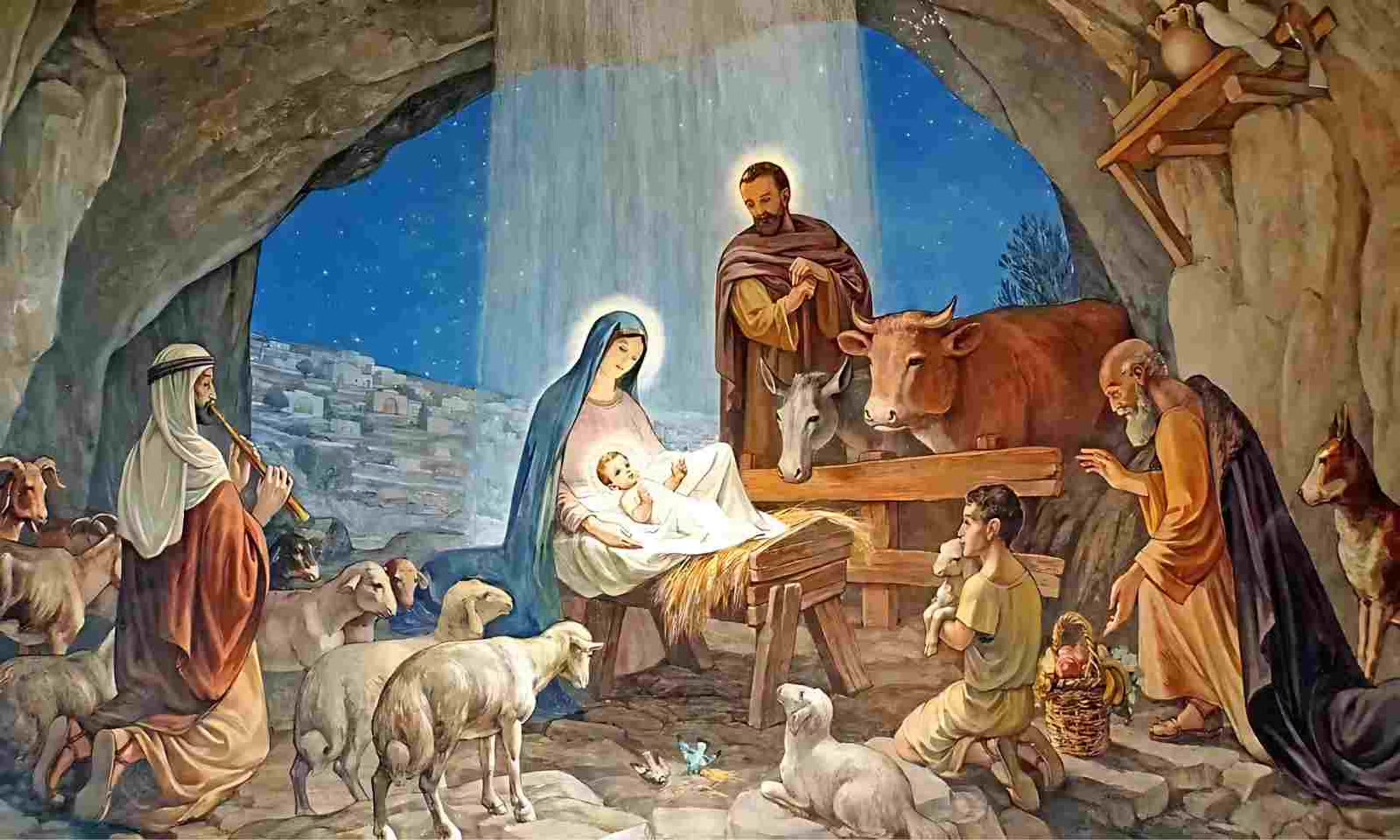

The celebration of Christ’s birth is one of the most cherished and widely observed holidays worldwide. But do you know where it all began? The first powerful celebrations of Jesus’ birth date back to the 2nd century, when early Christians started to honor the miracle of Christ’s coming to Earth. Though much of their celebrations were small and humble, they laid the groundwork for the global holiday we now know as Christmas.
Let’s take a journey through history and explore how these early Christians celebrated Christ’s birth with faith, devotion, and simple acts of joy that still echo in the ways we observe the holiday today.


The 2nd Century: Humble Beginnings
In the early 2nd century, the Christian community was still growing, and Christians were persecuted in many parts of the Roman Empire. Celebrating Christ’s birth was not an official practice yet, and instead, Christians focused on celebrating His resurrection and teachings. However, by the mid-2nd century, there was a shift, and Christians began to mark the birth of Jesus as an important occasion to reflect on God’s gift to humanity.

These early celebrations were quiet and intimate, often centered around prayers and scripture readings. There were no elaborate feasts or festivities as we see today, but the devotion of early Christians was just as powerful. The focus was on reflecting on the significance of Jesus’ birth and His role as the Savior of the world.
Read more about: How Early Christians Honored Jesus
The First Christmas Day: Why December 25?

In the 4th century, the Church officially adopted December 25 as the day to celebrate Christ’s birth, although the exact date of Jesus’ birth is not mentioned in the Bible. This decision may have been influenced by the Roman festivals of Saturnalia (a celebration of the winter solstice) and Sol Invictus, which also took place around this time. The Church’s goal was to provide a Christian alternative to these pagan festivities while symbolically connecting Christ’s birth to the idea of light overcoming darkness.
By aligning Christmas Day with the winter solstice, the early Church emphasized Jesus as the Light of the World who would bring hope, salvation, and divine light into the lives of all believers. This decision marked the beginning of a new tradition that would spread across the Christian world.
Discover more about: Why December 25 Was Chosen for Christmas
The Birth of Christmas Traditions

By the Middle Ages, Christmas celebrations began to take on a more festive tone. Early Christians, especially in Europe, started incorporating feasts, carols, and community gatherings into their observances of Christ’s birth. However, the holiday remained centered around religious devotion. Many communities would gather for midnight Mass to celebrate the birth of Jesus and then enjoy a feast to mark the occasion.
One of the most enduring traditions to emerge during this period was the Christmas Carol, with songs such as “Silent Night” and “O Holy Night” becoming staples in Christmas services and celebrations. Giving also became an integral part of Christmas, inspired by the generosity of figures like Saint Nicholas.
Learn more about: The History of Christmas Carols
Read about: The Real Story of Saint Nicholas and Santa Claus
The Global Spread of Christmas Traditions


As Christianity spread across the globe, so did Christmas. By the 16th century, the celebration of Christ’s birth was widespread throughout Europe, with many countries developing their own unique traditions. In Germany, for example, the Christmas tree was introduced, a practice that would eventually become a central element of Christmas celebrations worldwide. In Italy, the tradition of the Nativity scene began, a display of the birth of Jesus that continues to be a beloved part of the holiday.
In the United States, Christmas was first celebrated in the 18th century, but it was in the 19th century that Christmas became a national holiday. The Victorian era played a pivotal role in shaping many of the traditions we now associate with Christmas, such as the exchange of gifts, the decoration of Christmas trees, and the family gatherings that have become a hallmark of the holiday.
Explore: The Story Behind the Christmas Tree
Find out more about: The History of Christmas Around the World
The Lasting Legacy of Early Christmas Celebrations
While the way we celebrate Christmas today may be different from those first humble gatherings in the 2nd century, the core meaning of the holiday has remained the same. Christmas is a celebration of Christ’s birth, a time to reflect on faith, hope, and generosity.
As you celebrate Christmas 2025, take a moment to remember those early Christians and their devotion to honoring Christ’s birth. Whether you’re attending church services, enjoying family meals, or exchanging gifts, the traditions we follow today are a powerful reminder of the faith and devotion that have been passed down through generations.
💡 Read next: How Christmas Traditions Have Evolved Over the Years
FAQs About the First Christmas Celebrations
Q1. When did Christians first begin celebrating Christmas?
The first celebrations of Christ’s birth began in the 2nd century, but it wasn’t until the 4th century that December 25 was officially chosen as Christmas Day.
Q2. Why is December 25 Christmas Day?
December 25 was chosen because it aligned with winter solstice celebrations and symbolized Jesus as the Light of the World.
Q3. What were early Christmas celebrations like?
Early Christmas celebrations were simple, with prayers, scripture readings, and small feasts. The focus was on reflecting on Jesus’ birth rather than festive celebrations.
Q4. How did Christmas traditions spread worldwide?
As Christianity spread, Christmas traditions such as the Christmas tree, Nativity scenes, and gift-giving became widespread across different cultures, evolving with local customs.
Q5. What is the meaning of Christmas today?
Christmas today is still about celebrating the birth of Christ with joy, hope, and love, while incorporating new traditions like family gatherings and holiday giving.
This blog is for informational purposes only. The content provided reflects historical facts, interpretations, and opinions on the origins of Christmas celebrations. While we strive to present accurate and reliable information, we recommend consulting additional sources for a comprehensive understanding.
#FirstChristmasCelebrations #ChristBirth #ChristmasHistory #OriginsOfChristmas #Carrerbook #Anslation #EarlyChristianTraditions #Christmas2025 #ChristmasFaith #HistoricalChristmas #BirthOfChrist #ChristmasCarols #ChristmasTraditions #ChristianCelebrations




Leave a Reply