

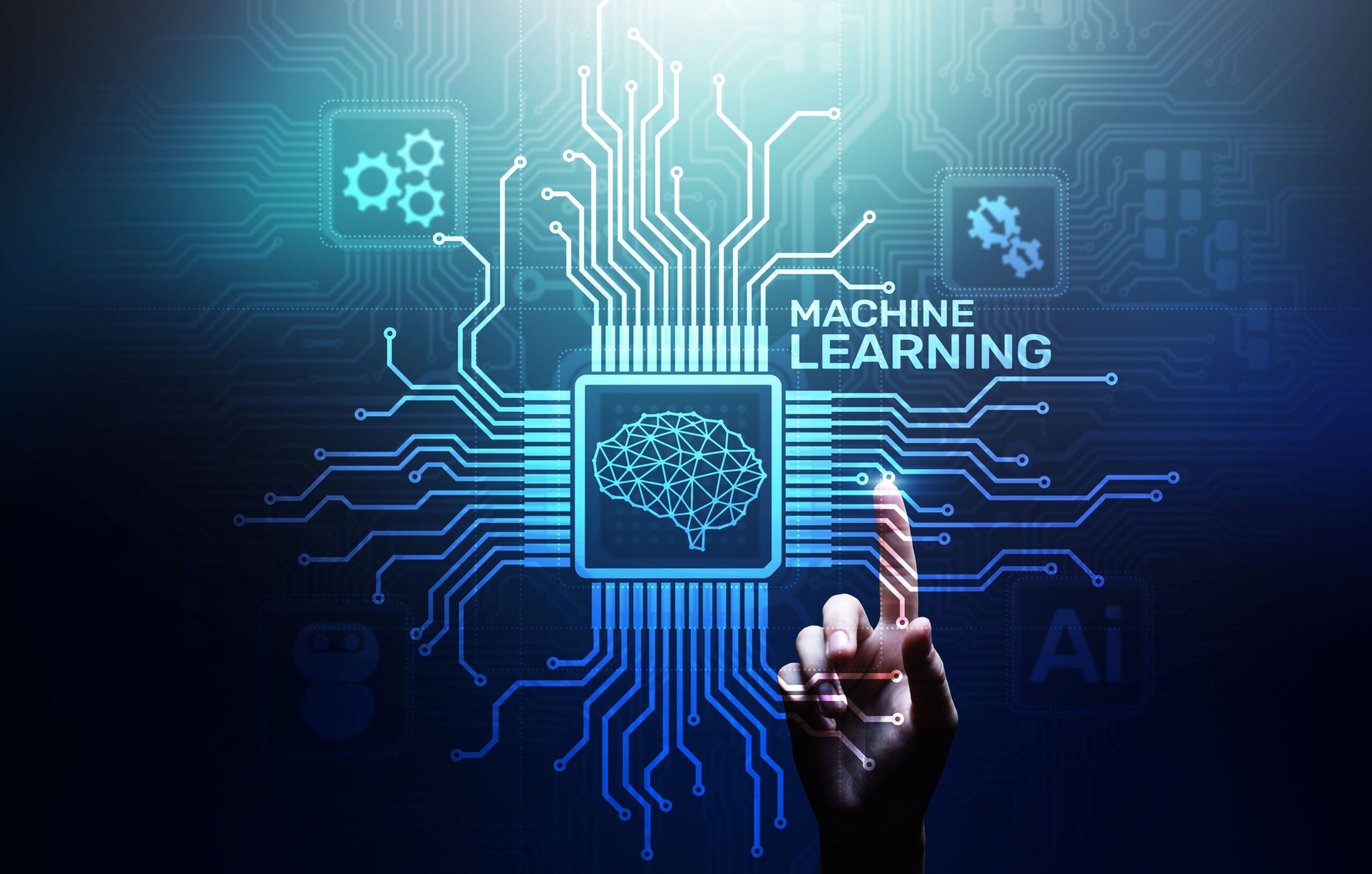

Machine learning sounds complicated, but the core idea is actually very simple. It’s a method where computers learn from data instead of being programmed with strict rules. Instead of telling a computer exactly what to do, we give it examples, patterns, or past experiences—and it figures things out on its own.
In this blog, let’s break down how machine learning works in a way anyone can understand.
What Is Machine Learning?
Machine learning is a type of artificial intelligence that allows computers to improve at tasks by analyzing data. Think of it like teaching a child: the more examples they see, the better they get.
For example:
- Show a computer thousands of pictures of cats and dogs.
- It learns the patterns: shapes, colors, textures.
- Next time it sees an image, it can guess whether it’s a cat or a dog.
The computer isn’t “thinking.” It’s recognizing patterns.
Why Machine Learning Matters

Machine learning powers many tools we use every day without realizing it. A few examples:
- Netflix recommendations
- Google search results
- Face recognition on your phone
- Spam filters in email
- Voice assistants like Siri and Alexa
These systems learn from your behavior and get better over time.
How Machine Learning Actually Learns
Let’s simplify the process into four clear steps:
1. Collect Data
Everything starts with data.
Photos, texts, numbers, audio, or anything the machine can analyze.
Example: If we’re training a model to predict house prices, we gather data like:
- House size
- Location
- Number of rooms
- Previous sale prices
2. Feed the Data to an Algorithm
An algorithm is just a set of rules or instructions.
The machine uses this algorithm to study the data and find patterns.
3. Train the Model
During training, the machine tries to make predictions and adjusts itself whenever it’s wrong.
It repeats this process many times—sometimes millions—until it gets accurate.
It’s like learning from mistakes.
4. Make Predictions
Once trained, the model is ready to work.
It can now make predictions, such as:
- Will this email be spam?
- What movie will you like next?
- How much will a house cost?
Types of Machine Learning (Simple Explanation)

1. Supervised Learning
You teach the machine using labelled examples.
It’s like showing flashcards and telling the answer.
Example:
Images labeled “cat” or “dog.”
2. Unsupervised Learning
The machine learns patterns on its own, without labels.
It groups similar things together.
Example:
Grouping customers by shopping habits.
3. Reinforcement Learning
The machine learns from trial and error, like playing a game.
It gets rewards for good actions and penalties for bad ones.
Example:
AI that learns to play chess or drive a car in simulation.
A Simple Example: Teaching a Machine to Recognize Fruit
Imagine we want a machine to tell apples from oranges.
- We show it 1000 apples and 1000 oranges.
- It studies their color, texture, size.
- It learns patterns (apples are firm, oranges are round and bumpy).
- When we show a new fruit image, it guesses correctly.
That’s machine learning in action.
Where Machine Learning Is Used Today
Machine learning is shaping almost every industry:
- Healthcare: detecting diseases early
- Finance: fraud detection
- Education: personalized learning
- Retail: shopping predictions
- Transportation: self-driving cars
The impact is huge, and we are just getting started.
Final Thoughts
Machine learning may sound technical, but at its heart, it’s just pattern recognition. Computers learn from data, improve over time, and help us make better decisions. As more industries adopt AI, machine learning will become an essential skill—and understanding the basics puts you ahead of the curve.
The information provided in this blog is for general educational and informational purposes only. While we strive to share accurate and up-to-date content, technology and AI topics evolve quickly, and details may change over time. This blog should not be considered professional, technical, or legal advice
Readers are encouraged to do their own research or consult a qualified expert before making decisions based on the content provided here. We are not responsible for any errors, omissions, or outcomes related to the use of this information.
#MachineLearning #AI #ArtificialIntelligence #TechTrends #DeepLearning #Anslation #Carrerbook #DataScience #MLBasics #AIEducation #TechBlog #Automation #FutureTech #NeuralNetworks #SmartTechnology #DigitalInnovation



Leave a Reply