

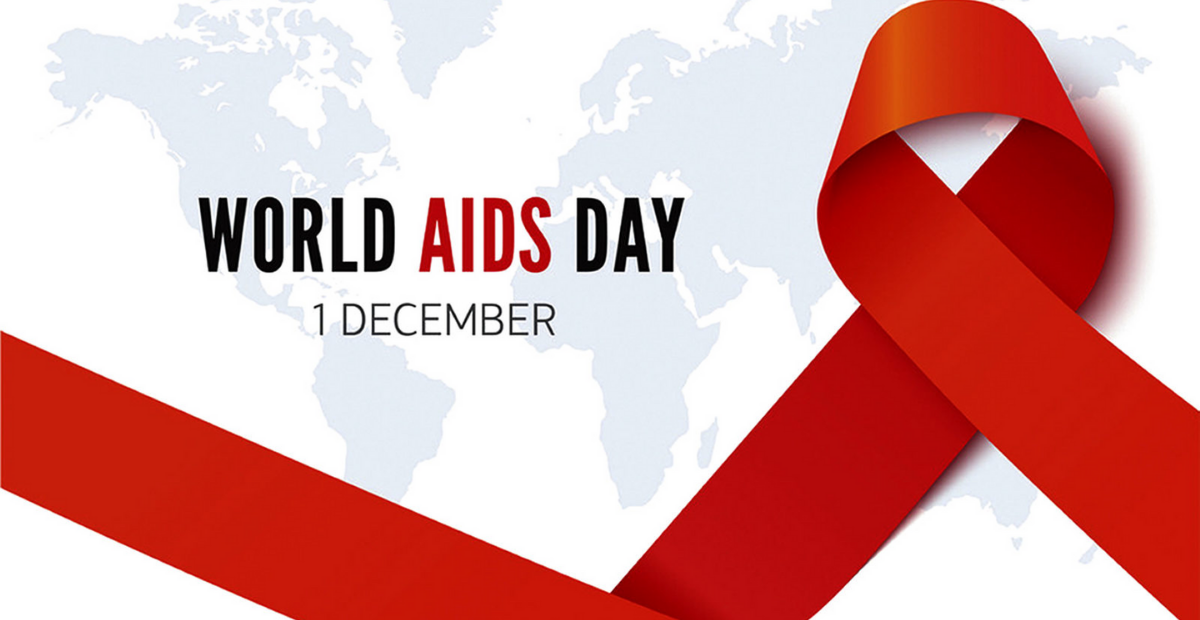

What is World AIDS Day?
World AIDS Day is observed globally on December 1st every year. It is a day dedicated to increasing awareness about HIV (Human Immunodeficiency Virus) and AIDS (Acquired Immunodeficiency Syndrome), showing support for people living with HIV, and remembering those who have died from AIDS-related illnesses.
It was established in 1988 by the World Health Organization (WHO) and the United Nations Programme on HIV/AIDS (UNAIDS). It remains the first and one of the most recognized global public health observances.
Why World AIDS Day Exists

The purpose of this day goes beyond awareness. It pushes for:
- Global solidarity with those affected by HIV.
- Removing stigma, discrimination, and myths around HIV.
- Promoting education and prevention techniques.
- Encouraging routine testing and treatment access.
- Policy-level action to strengthen healthcare systems.
Even today, millions live with HIV, and the disease still leads to thousands of deaths each year — making this day crucial.
Understanding HIV and AIDS
HIV
- A virus that attacks the immune system, specifically CD4 cells.
- Without treatment, HIV weakens the body’s ability to fight infections.
AIDS
- The most advanced stage of HIV.
- Diagnosed when the immune system is severely damaged and life-threatening infections occur.
Important Note
Thanks to modern medicine, HIV is no longer a death sentence. With regular treatment, individuals can live long and healthy lives and may never develop AIDS.

Transmission — How HIV Spreads
HIV can be transmitted through:
- Unprotected sexual contact
- Sharing contaminated needles or syringes
- Mother-to-child transmission (during pregnancy, childbirth, or breastfeeding)
- Blood transfusions with infected blood (very rare in modern medical settings)
HIV cannot spread through:
- Hugging, kissing, touching
- Sharing food or utensils
- Sweat, tears, or saliva
- Using the same toilet, swimming pool, or air
Prevention Methods
Safe Practices
- Using condoms regularly and correctly
- Getting tested regularly
- Avoiding sharing needles
Medical Prevention
- PrEP (Pre-Exposure Prophylaxis): Daily medication for people at higher risk to prevent HIV.
- PEP (Post-Exposure Prophylaxis): Emergency treatment taken within 72 hours of exposure.
Education
Proper knowledge reduces fear and stigma and encourages preventive behavior.

Treatment — How HIV is Managed Today
ART (Antiretroviral Therapy)
- The main treatment for HIV.
- Reduces the viral load to very low or undetectable levels.
- Helps maintain a strong immune system.
- Allows people with HIV to live normal life spans.
U = U (Undetectable = Untransmittable)
If a person’s HIV viral load becomes undetectable through ART, they cannot transmit HIV to others sexually. This single fact has transformed global awareness and reduced fear and stigma.
Global Statistics (Latest Available)
- 39 million people are living with HIV worldwide.
- 1.3 million new infections occur each year.
- 630,000 deaths annually from AIDS-related illnesses.
- 29.8 million people have access to ART treatment.
- Sub-Saharan Africa remains the most affected region.
These numbers highlight progress but also show that the fight is far from over.

Themes of World AIDS Day
Each year, UNAIDS announces a theme. The themes often focus on:
- Ending inequalities
- Ending HIV transmission
- Strengthening communities
- Equal access to healthcare
- Zero discrimination
If you want the exact theme for a specific year, I can include it as well.
How the Day is Observed Worldwide
People and organizations show support through:
- Wearing the red ribbon
- Health awareness events
- Free testing camps
- School and university awareness drives
- Candlelight memorials
- Social media campaigns
- Fundraisers for HIV organizations
- Government policy discussions
The Red Ribbon — A Global Symbol
- The red ribbon was created in 1991 by the Visual AIDS Artists Caucus.
- Red symbolizes love, the pain of loss, and the fight against HIV.
- It unified global support and became one of the most recognized health symbols.

Misconceptions & Stigma
Even today, many people believe myths about HIV. Stigma often leads to:
- Social rejection
- Mental health struggles
- People avoiding testing
- Delayed treatment
World AIDS Day plays a crucial role in breaking these misconceptions and encouraging compassion and understanding.
Progress Over the Years
Science and global action have led to major improvements:
- Lifesaving ART availability
- Fewer new infections
- Safer blood screening
- More awareness about safe sex
- Reduced mother-to-child transmission
However, challenges remain — including unequal access to care in some countries.
Future Goals: Ending AIDS by 2030
The United Nations has set a target to end the AIDS epidemic as a public health threat by 2030.
This requires:
- Stronger healthcare systems
- Reducing social inequalities
- Expanding access to treatment
- Continuous global awareness campaigns
#WorldAIDSDay #EndAIDS #HIVAwareness #StopHIV #KnowYourStatus #RedRibbon #FightHIV #ZeroDiscrimination #SupportPLHIV #GetTested #HIVPrevention #Anslation #Carrerbook




Leave a Reply