

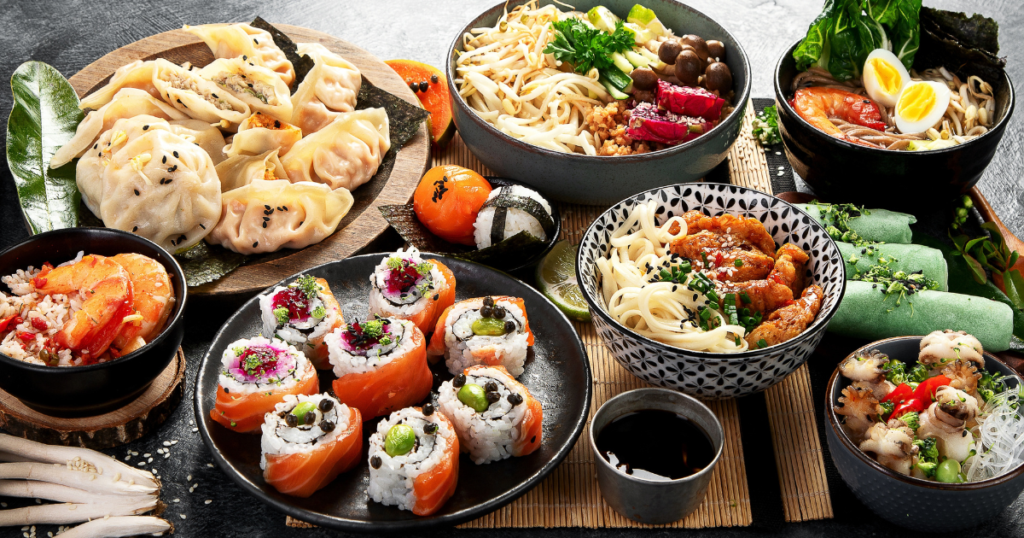

Food is not just something we eat to survive — it is a language of culture, a reflection of history, geography, climate, beliefs, and emotions. Traditional foods are living traditions. They are cooked the same way for decades, sometimes centuries, carrying stories of families, festivals, struggles, celebrations, and survival. When you taste a traditional dish, you’re not just tasting ingredients — you’re tasting heritage.
In this detailed and extended guide, we explore some of the most loved traditional foods from different cultures, their origins, preparation methods, cultural significance, and why they continue to win hearts across the world.
India – A Symphony of Spices and Traditions


Indian traditional food is one of the oldest and most diverse cuisines in the world. Every region, state, and even household has its own style.
Key Traditional Foods:
- Biryani – A royal dish with Persian roots, cooked with layers of rice, meat, spices, and slow heat (dum style).
- Dal, Roti & Sabzi – Everyday comfort food that balances protein, fiber, and flavor.
- Idli & Dosa – South Indian fermented foods known for digestion-friendly benefits.
Cultural Significance:
Indian food is deeply connected to Ayurveda, seasons, and festivals. Many traditional meals are vegetarian and cooked using local grains, lentils, and spices.
Why the world loves Indian food:
Rich spices, vegetarian variety, bold flavors, and deeply satisfying comfort meals.
Italy – Simple Ingredients, Deep Emotions


Italian cuisine is about respecting ingredients and tradition. Recipes are often passed from nonna (grandmother) to grandchildren.
Key Traditional Foods:
- Pizza (Naples-style) – Originally street food for workers, now a global icon.
- Pasta – Over 350 types, each linked to a specific region and sauce.
- Risotto – Slow-cooked rice dish that requires patience and skill.
Cultural Significance:
Italian meals are social events. Families sit together, eat slowly, and celebrate food as a joy, not a rush.
Why the world loves Italian food:
Comfort, simplicity, cheese, and unforgettable flavors.
Japan – Balance, Beauty, and Precision


Japanese traditional food reflects discipline, mindfulness, and respect for nature.
Key Traditional Foods:
- Sushi – Focuses on freshness and precision rather than heavy spices.
- Ramen – Deep-flavored broth simmered for hours, loved as comfort food.
- Miso Soup – A daily staple promoting gut health.
Cultural Significance:
Japanese cuisine values seasonality, presentation, and balance (umami).
Why the world loves Japanese food:
Healthy, visually beautiful, light yet flavorful.
Mexico – Bold, Colorful, and Soulful


Mexican traditional food is recognized by UNESCO as an Intangible Cultural Heritage.
Key Traditional Foods:
- Tacos – Simple tortillas filled with seasoned meats and toppings.
- Mole – A complex sauce made with chilies, spices, and sometimes chocolate.
- Tamales – Corn dough filled and steamed in husks.
Cultural Significance:
Food is central to festivals, family gatherings, and daily life.
Why the world loves Mexican food:
Spice, color, freshness, and celebration in every bite.
China – Food with Meaning and Symbolism


Chinese traditional cuisine is diverse and symbolic.
Key Traditional Foods:
- Dumplings (Jiaozi) – Represent wealth and prosperity.
- Noodles – Symbolize long life and happiness.
- Peking Duck – A royal dish with centuries of history.
Cultural Significance:
Chinese food emphasizes balance (yin & yang) and harmony.
Why the world loves Chinese food:
Variety, comfort, and cultural depth.
Thailand – Perfect Balance of Flavors


Thai cuisine is famous for its harmony of taste.
Key Traditional Foods:
- Pad Thai – Stir-fried noodles with sweet-sour balance.
- Green & Red Curry – Coconut-based, aromatic, and spicy.
- Tom Yum Soup – Hot and sour, refreshing and comforting.
Cultural Significance:
Thai food reflects street culture and fresh local ingredients.
Why the world loves Thai food:
Explosive flavors and aroma.
France – Elegance on a Plate


French traditional food is about technique and artistry.
Key Traditional Foods:
- Croissant – A buttery breakfast icon.
- Coq au Vin – Slow-cooked chicken in wine.
- Cheese & Bread – Staples of daily French life.
Cultural Significance:
Meals are rituals, not routines.
Why the world loves French food:
Luxury, craftsmanship, and indulgence.
Turkey – A Bridge of Cultures


Turkish cuisine blends Asian, Middle Eastern, and Mediterranean flavors.
Key Traditional Foods:
- Kebabs – Grilled meats with spices.
- Baklava – Sweet layers of pastry and nuts.
- Meze – Small shared plates.
Why the world loves Turkish food:
Rich textures and satisfying meals.
Ethiopia – Food That Brings People Together


Ethiopian food is unique and communal.
Key Traditional Foods:
- Injera – Fermented flatbread.
- Doro Wat – Spicy chicken stew.
Why the world loves Ethiopian food:
Shared eating experience and bold spices.
USA – Comfort Food with Stories


American traditional food reflects migration and history.
Key Traditional Foods:
- Southern Fried Chicken
- Barbecue
- Apple Pie
Why the world loves American food:
Comfort, nostalgia, and hearty flavors.
Why Traditional Foods Are Important
- Preserve culture and identity
- Support local farmers and ingredients
- Connect generations
- Promote mindful eating
Traditional foods are timeless treasures. They remind us of where we come from and bring people together beyond language or borders. Exploring traditional foods from different cultures is one of the most beautiful ways to understand the world. In a fast-paced modern lifestyle, these dishes teach us patience, respect, and the joy of slow, meaningful meals.
Food descriptions may vary based on region, availability of ingredients, and family traditions. This content is for cultural and informational purposes only and does not replace professional dietary advice.
#TraditionalFoods #WorldCuisine #CulturalHeritage #Carrerbook #Anslation #FoodFromAroundTheWorld #AuthenticFlavors #FoodCulture #GlobalFoodJourney #TasteTradition


Leave a Reply