

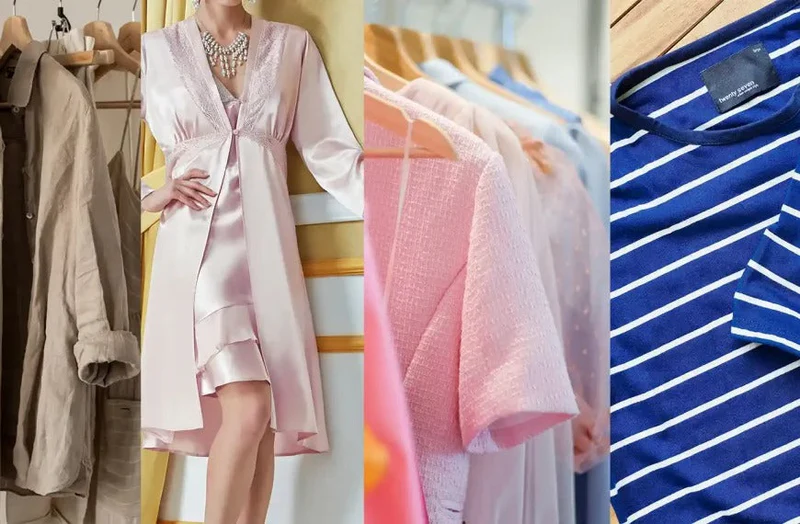

Extreme summer heat can make daily life uncomfortable, especially when temperatures cross 40°C. In such conditions, your fabric choice directly affects how cool or overheated you feel. The right material allows airflow, absorbs sweat, and helps regulate body temperature naturally.
Why Fabric Matters in Extreme Heat


The human body normally maintains an internal temperature of around 37°C. When outside temperatures rise above 35–45°C, the body cools itself mainly through sweating. On a very hot day, a person can sweat 0.5 to 1 liter per hour.
If your fabric does not absorb or release this moisture properly, heat gets trapped between your skin and clothes. This increases discomfort and can even raise the risk of heat exhaustion.
Scientifically, breathable fabrics help through:
- Air permeability (how easily air passes through fabric)
- Moisture absorption rate
- Evaporation speed
The faster sweat evaporates, the cooler your body feels.


Cotton – Breathable but Absorbent
Cotton can absorb up to 25–27 times its own weight in water. This makes it excellent for soaking up sweat. It also allows good airflow because of its natural fiber structure.
However, in very humid weather (above 70% humidity), cotton may dry slowly, which can make clothes feel damp.
Linen – High Airflow Champion
Linen fibers are thicker and have a looser weave than cotton. Because of this structure, linen allows more airflow and dries about 20% faster than cotton in similar conditions.
This is why linen is often recommended for temperatures above 40°C, especially in dry climates.
Moisture-Wicking Fabrics – Fast Dry Technology
Modern sports fabrics are designed to pull sweat away from the skin. Some synthetic moisture-wicking materials can dry 50% faster than cotton.
These fabrics work through capillary action, which spreads sweat across a larger surface area, allowing quicker evaporation. They are ideal for workouts or outdoor work in extreme heat.
Light Colors vs Dark Colors – The Heat Difference

Color also plays a scientific role.
- Dark colors absorb up to 80–90% of sunlight
- Light colors reflect more sunlight and absorb much less heat
For example, wearing a black shirt in 42°C heat can make
Fabrics to Avoid in Extreme Heat


Polyester and nylon can trap heat because they have lower breathability compared to natural fibers. Thick denim can increase body temperature by reducing airflow. These fabrics may increase sweating and discomfort when temperatures rise above 38–40°C.
Fabric GSM – A Hidden Summer Factor


GSM (grams per square meter) measures fabric thickness.
- Summer-friendly fabric: 100–180 GSM
- Heavy fabric: 250+ GSM
Lower GSM means lighter and more breathable material, which is better for extreme heat.
Final Thoughts
Choosing the right fabric for extreme summer heat is not just about fashion — it is about science and comfort. When temperatures rise beyond 40°C, breathable fabrics like cotton and linen help regulate body temperature by improving airflow and sweat evaporation.
Understanding simple facts like moisture absorption, airflow, and color heat absorption can help you make smarter clothing choices. With the right fabric, even extreme summer heat becomes more manageable.
#SummerFashion #StayCool #HeatWaveTips #ComfortClothing #SummerStyle #HealthyLiving #Carrerbook #Anslation





Leave a Reply