

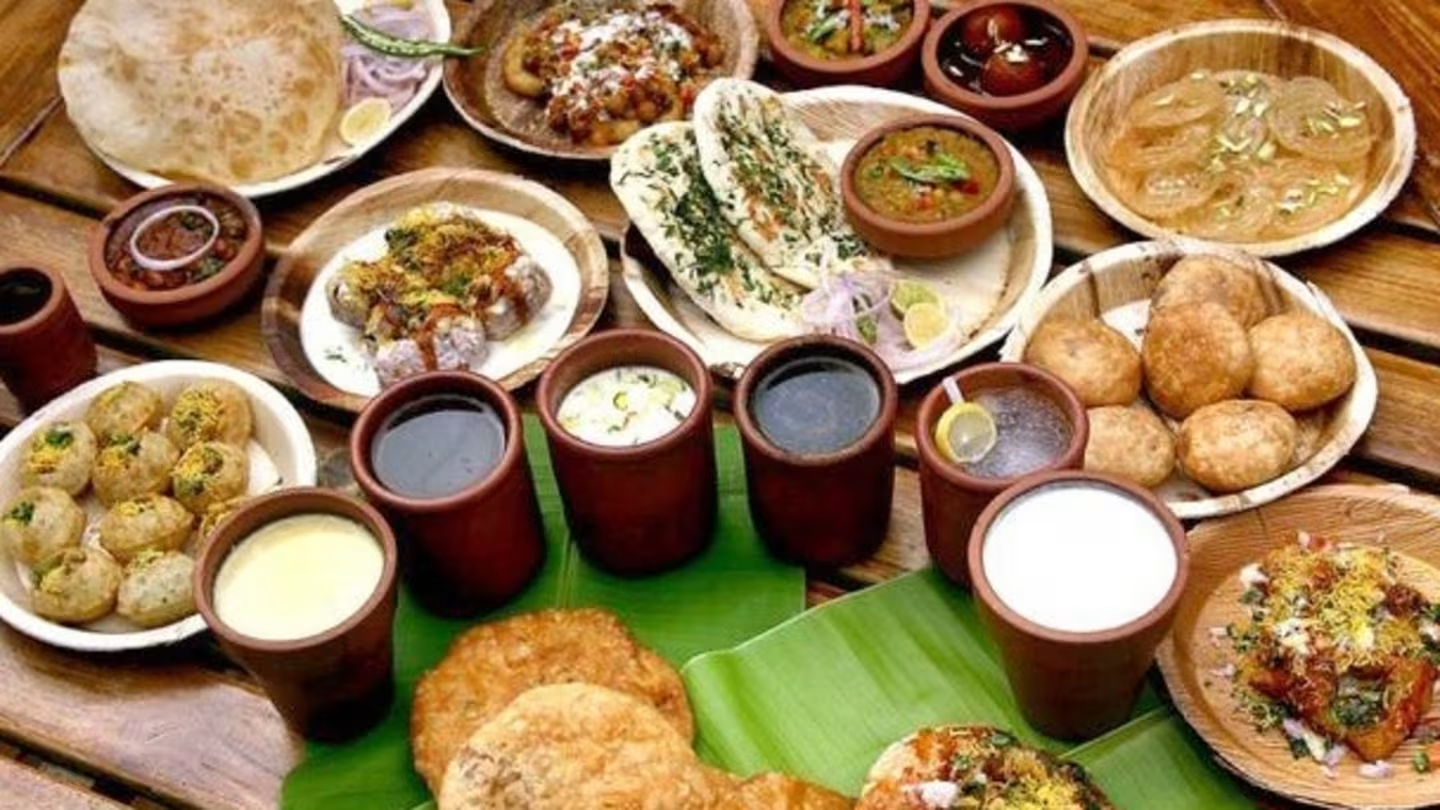

The global love affair with Indian cuisine goes far beyond a simple appreciation for a hot meal. It is an exploration of a deeply human, ancestral art form where food acts as a bridge between history, geography, and emotion. Walk into any Indian home, and you are instantly wrapped in a warm blanket of aromas—the comforting scent of roasting cumin, the sharp pop of mustard seeds, or the sweet fragrance of simmering green cardamom.
In India, cooking is rarely an automated or sterile process. It is an intuitive dance. Home cooks rarely look at rigid cookbooks or use precise measuring cups. Instead, they cook with their senses. They measure spices by the handful, judge the readiness of a sauce by the rhythmic sound of its bubble, and adjust flavors by the rich scent rising from the pot. This soulful approach turns every single meal into a unique, living expression of care and hospitality, making Indian food one of the most vibrant and comforting culinary traditions on earth.
The Soul of the Kitchen: Inside the Spice Box

To understand why Indian food carries such an unforgettable depth, you have to look inside the masala dani. This is a circular, stainless steel or brass spice container found in every single household, usually holding seven small bowls of essential seasonings. This box is the absolute heartbeat of the kitchen—often handed down from parents to children as a sacred heirloom when they start their own families. Inside this beautiful wheel of color, you will always find a core group of dynamic, raw ingredients: earthy cumin seeds, vibrant gold turmeric, fragrant coriander powder, crackling mustard seeds, and bright, fiery chili powder.
                       ┌────────────────────────┐
                       │    THE MASALA DANI     │
                       │   (The Heart of Home)  │
                       └───────────┬────────────┘
                                   │
         ┌─────────────────────────┼─────────────────────────┐
         │                         │                         │
  [Vibrant Turmeric]       [Smoky Cumin Seeds]      [Fiery Chili Powder]
  (For color & healing)   (The warm base note)     (For heat & energy)
To a seasoned cook, these spices are not just flavor enhancers; they are a language. Turmeric is added at the very start of a dish, not just for its gorgeous sun-kissed color, but for its deeply rooted medicinal qualities. Cumin seeds are tossed into hot fat to create an immediate, smoky foundation, while coriander bridges different flavors together, adding a light, citrusy undertone.
The true alchemy, however, lies in creating customized spice blends called masalas. A masala can be a dry-roasted powder or a wet paste ground on a traditional stone slab. Because these blends are mixed by hand using a family’s secret ratios, the exact same dish can taste completely different from one household to the next, carrying the unique signature of the cook who made it.
The Symphony of the Six Tastes

What makes a traditional Indian meal feel so incredibly whole and fulfilling is its ancient commitment to balance. Long before modern nutritional science, Indian culinary wisdom established that a truly satisfying meal must engage all human taste receptors. This is achieved by intentionally weaving the six traditional tastes (Shad Rasa) into a single culinary experience: sweet, sour, salty, pungent, bitter, and astringent.
- Warm, Earthy Pungency: Achieved by grating fresh ginger root, crushing sharp garlic cloves, or adding finely diced green chilies directly into the pan.
- Deep, Rich Sweetness: Built naturally through the patient caramelization of mounds of red onions or by dissolving a small block of unrefined jaggery (sugar cane juice).
- Bright, Vibrant Sourness: Introduced to cut through rich oils using a squeeze of fresh lime juice, a scoop of thick yogurt, or a splash of tangy tamarind pulp.
- Grounding Bitterness and Astringency: Brought in at the very end by scattering a handful of fresh coriander leaves or crushing aromatic fenugreek leaves between the palms.
When these contrasting profiles clash and melt together inside a pot, they create a beautiful, self-correcting equilibrium. The cooling properties of yogurt soften the fire of the chilies, while the sharp tang of tamarind wakes up the palate, ensuring that your taste buds are constantly excited and completely satisfied by the time you take your last bite.
A Subcontinent Divided by its Landscapes

To speak of “Indian food” as one single style is an understatement. India is a massive, diverse subcontinent, and crossing a state line is like entering an entirely new food universe. The way people cook is completely dictated by the local soil, the weather, and what grows right outside their kitchen doors. This has created a magnificent tapestry of regional identities, each proud of its own distinct kitchen philosophy.
Up in the sun-drenched plains of North India, the winters can get cold, and the agricultural land is perfect for growing wheat. Because of this, meals are heavily centered around magnificent flatbreads like flame-toasted rotis, layered parathas, and soft, charred naan. The kitchen here relies on dairy, utilizing pure ghee, rich cream, and fresh paneer (cottage cheese) to create thick, slow-simmered gravies like butter chicken or creamy lentils that stick to your ribs and keep you warm.
                  NORTH                           SOUTH
       ┌────────────────────────┐       ┌────────────────────────┐
       │ Wheat Flatbreads/Naan  │       │ Steamed Rice & Dosas   │
       │ Rich Cream & Ghee Fats │       │ Light Coconut & Oils   │
       │ Thick, Heavy Gravies   │       │ Tangy, Watery Stews    │
       └────────────────────────┘       └────────────────────────┘
But as you journey down into tropical South India, the food landscape shifts completely. Wheat fields give way to lush green acres of rice, which becomes the star of every meal. The heavy dairy is replaced by the refreshing, light creaminess of fresh coconuts and light vegetable oils. Southern cooking is famous for its incredible brightness, powered by the crackle of curry leaves, black mustard seeds, and sour tamarind stews. Breakfast here is a light, fermented celebration featuring cloud-soft steamed idlis or paper-thin, crispy dosas that keep the body cool and energized in the intense coastal heat.
The Power of Slowness and Fire

The incredible, deep textures that define Indian food cannot be shortcut. They are the result of time-honored, patient cooking techniques designed to coax out hidden flavors from the simplest raw ingredients. These methods turn cooking into an act of love and patience.
[Raw Whole Spices] ──► [Sizzling Hot Oil/Ghee] ──► [Essential Oils Explode] ──► [Poured Over Dish]
One of the most dramatic and essential techniques is tadka, also known as tempering. Near the end of cooking a dish, a home cook will heat a small ladle of ghee or oil until it is shimmering hot. They drop in whole spices like cumin seeds, dried chilies, or sliced garlic. For a few beautiful seconds, the kitchen fills with a loud crackling sound as the heat causes the spices to pop, releasing their essential oils directly into the fat. This sizzling, aromatic oil is then poured over a pot of plain boiled dal (lentils), instantly transforming it into something magical.
Another cornerstone of flavor building is bhuna, the process of slow-frying a wet paste of onions, ginger, and garlic over a gentle flame. A good cook knows you cannot rush this step. You must stand by the stove, stirring patiently, watching the ingredients slowly deepen into a rich, sweet, dark golden-brown paste as the sugars caramelize and the oil beautifully separates from the mixture. This patient process strips away the harshness of the raw aromatics, giving Indian sauces their signature, soul-satisfying depth.
The Wisdom of Ayurveda on the Plate

In an Indian home, food is never just about filling an empty stomach; it is deeply connected to Ayurveda, an ancient system of holistic wellness that teaches that food is our primary medicine. This means that every ingredient tossed into a pot is chosen with an awareness of how it impacts the human body and mind. Spices are viewed as powerful tools to support digestion, balance energy, and bring comfort.
       [Dynamic Diners]
             │
             ├───► [Turmeric]    ───► Natural anti-inflammatory & golden glow
             ├───► [Ginger]      ───► Kicks start digestion & warms the system
             └───► [Cumin/Fennel]───► Calms the stomach & cools down heat
When a cook adds a pinch of turmeric to a yellow lentil soup, they are utilizing a natural, time-tested anti-inflammatory root. A slice of fresh ginger is added to heavy proteins to kickstart digestion, while cumin seeds and fennel are used to calm the stomach and cool the body down. This deep-rooted wellness philosophy ensures that even the richest, most indulgent festive meals are balanced with spices that help the body process the food easily, leaving you feeling light, clean, and completely rejuvenated after eating.
The Generosity of the Plant-Based Feast
While many culinary traditions around the world relegate vegetarian options to simple side dishes or uninspired salads, Indian cuisine treats vegetables, lentils, and beans as the absolute stars of the show. Because massive portions of the population have followed a strict plant-based diet for thousands of years due to deeply ingrained spiritual and cultural values, India has perfected the art of vegetarian cooking.
A simple head of cauliflower, a handful of chickpeas, or a humble eggplant is treated with the exact same level of respect, marination, and slow-cooking as any royal meat dish. Vegetables are roasted in clay ovens, simmered in luxurious cashew pastes, and infused with smoky spices. This generous approach means that anyone looking for a wholesome, plant-based meal never has to compromise on flavor or satisfaction. The vegetarian table is always an abundant, vibrant, and deeply welcoming space for everyone.
FAQs
Why does Indian food taste so unique?
It comes down to the beautiful way flavors are layered. Instead of mixing everything together all at once, Indian cooking treats every ingredient like a step in a story. By roasting whole spices in hot fat first, slow-caramelizing onions over a gentle flame, and adding fresh herbs right at the finish line, cooks build multiple, separate layers of flavor. This ensures that every single mouthful is an exciting, multi-dimensional experience.
What spices should I buy if I am a beginner?
You don’t need dozens of jars to start! Just pick up four everyday essentials: turmeric powder for a warm, healthy glow, cumin seeds for an earthy, smoky base, coriander powder for a bright, citrusy balance, and a good quality garam masala powder to sprinkle on at the end of your cooking for a warm, cozy aroma. With just these four, you can make hundreds of authentic, comforting meals.
What exactly is a masala?
Simply put, a masala is just a blend of spices coming together to create a specific flavor profile. It can be a dry powder, like the warming blend of cinnamon and cloves in garam masala, or a wet paste made by grinding fresh ginger, garlic, and chilies together with water or oil. Think of it as the unique flavor identity or the “secret sauce” of an Indian dish.
How can I make my homemade curries taste less watery?
The secret is all in the onions! If your sauce feels thin or separates on the plate, it usually means the onion base was rushed. Take your time to slow-fry your chopped red onions until they lose all their water, turn soft, and change to a deep, sweet caramel-brown color. This slow browning creates a thick, rich paste that naturally binds your sauce together without needing any artificial thickeners.
Is it true that Indian food is better when eaten with your hands?
Absolutely! Eating with your fingertips is a beautiful, grounding tradition that changes your entire relationship with your food. It turns eating into a complete sensory experience—allowing you to feel the warmth, the texture, and the softness of a piece of naan or a mound of rice before it ever touches your mouth. It forces you to slow down, be present, and truly enjoy the care that went into making the meal.




Leave a Reply