

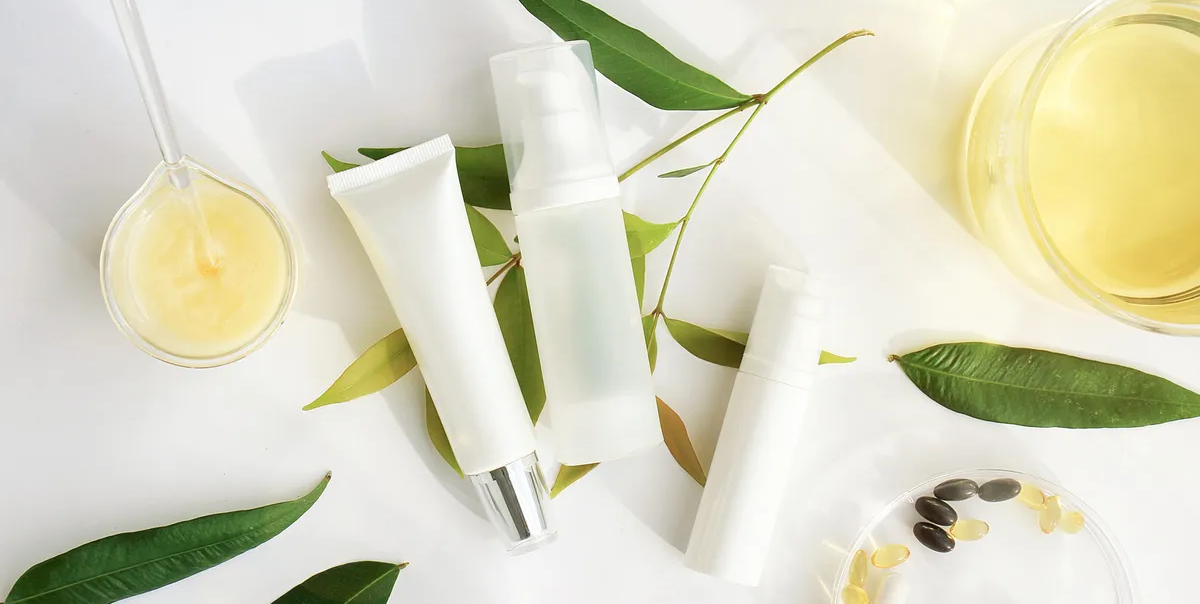

Skin Care is never one-size-fits-all because every person’s skin is unique. Your skin changes with age, genetics, climate, stress, and hydration, which is why proper care should always match your personal skin needs.
More importantly, we desperately need to redefine what “good skin” actually means in the real world. Real, healthy human skin has texture. It possesses visible pores, fine lines, tiny imperfections, and occasional breakouts when your hormones fluctuate or life gets chaotic. The goal should never be chasing an airbrushed, digital illusion. It is about finding a natural, organic balance, fiercely protecting your skin’s built-in shield, and nurturing it for the long haul.
When you strip away the industry noise and focus on a few intuitive, biology-backed habits, taking care of your face stops feeling like an expensive chore and starts feeling like a grounding, daily ritual. Let’s break down the essential pillars of what actually moves the needle.
1. Tune Into Your Skin’s Unique Language
Before you spend a single dime on a new trending serum, you have to slow down and figure out what your face is actually asking for. Think of this as tuning into a highly specific physical dialect. If you blindly use products designed for someone else’s biological ecosystem, you are essentially taking a reckless shortcut straight to raw irritation, sudden blemishes, or deeply uncomfortable tightness.
Our skin typically operates within a few distinct natural temperaments:
- Oily Skin: Your sebaceous glands—the tiny, microscopic oil factories tucked beneath your pores—are just a little too enthusiastic. They produce excess sebum, leaving your skin looking highly reflective or feeling heavy and greasy by mid-afternoon.
- Dry Skin: Your skin fundamentally struggles to retain its water content. It frequently feels uncomfortably tight, parched, or shows flaky patches, especially the moment you step out of a hot shower.
- Combination Skin: The classic biological compromise. You host a highly active, shiny “T-zone” across your forehead, nose, and chin, while your cheeks remain completely normal, rough, or uncomfortably dry.
- Sensitive Skin: Your protective outer barrier is incredibly easily offended. It reacts defensively to sudden weather changes, artificial fragrances, or aggressive active ingredients with instant redness, stinging, or heat.
Figuring out exactly where you land on this spectrum gives you immense leverage. When your daily routine genuinely aligns with your skin’s current reality, you will notice a dramatic, positive shift without ever needing to stack on an army of unnecessary products.
2. Cleansing: The Delicate Art of Starting Fresh
Think about everything your face encounters during a standard, chaotic day out in the world. Sweat, heavy ambient pollution, dust, stale natural oils, and the crusty remnants of yesterday’s products all settle on the surface. If you allow that toxic film to pool there, it acts exactly like a heavy blanket over your pores, choking out oxygen and paving the way for congestion, deep dullness, and stubborn breakouts.
However, a massive trap people fall into is treating cleansing like they are scrubbing a stained kitchen countertop—rubbing and washing until their face feels “squeaky clean.” Let’s be incredibly clear: that tight, squeaky sensation isn’t cleanliness; it is a loud biological scream for help. It means you have completely stripped away the vital lipid matrix of your skin barrier—the topmost wall of cells that locks precious moisture in and blocks opportunistic bacteria out.
The secret lies in gentle, deeply respectful cleansing. A proper wash should leave your face feeling soft, flexible, and completely at ease.
- In the Morning: A quick, exceptionally gentle wash or even a simple splash of lukewarm water is usually more than enough to clear away overnight sweat and metabolic waste.
- In the Evening: This is your non-negotiable anchor step. Take a mindful minute to wash away the heavy debris of the world, ensuring your skin can actively breathe, repair, and regenerate while you drop into deep sleep.
3. Hydration Is a Universal Biological Need
There is a massive, deeply ingrained misconception that if your skin is naturally oily or prone to angry acne flare-ups, you should skip moisturizer entirely to avoid “clogging” things further. This logic backfires spectacularly. When oily skin becomes structurally dehydrated—meaning it lacks water, not oil—it panics. To compensate for the alarming lack of moisture, your body triggers an emergency survival response and floods the surface with even more oil, creating a frustrating, vicious cycle of relentless shine and clogged pores.
Every single human body requires deep hydration to function. When your skin cells are properly plumped with water, your face looks naturally smoother, more resilient, and radiant. Think of the structural difference between a plush, juicy grape and a shriveled raisin—hydration is the literal volume that gives skin its bouncy, youthful quality.
If you lean oily, reach for incredibly lightweight, fluid, non-comedogenic water-gels that vanish instantly. If your skin is parched, gift it richer, creamier balms that lock in moisture. Pairing a mindful topical moisturizer with consistent water intake throughout the day supports your living tissues from both the inside out and the outside in.
4. The Absolute Non-Negotiable: Sun Protection
If you line up ten of the world’s most respected dermatologists and ask for the single most important step to preserve the health of human skin, they will all look you in the eye and say the exact same thing: wear a broad-spectrum sunscreen every single day.
We humans love to associate sun damage exclusively with painful, peeling sunburns during mid-summer beach trips. In reality, ultraviolet (UV) rays are silently at work every single day of the year, slicing right through heavy gray clouds, rain, and even office windows. These relentless wavelengths penetrate deep into the dermal layers of your skin, quietly destabilizing and breaking down collagen and elastin—the structural scaffolding that keeps your face firm, lifted, and elastic.
Over time, this cumulative, invisible exposure leads to premature aging, deep leathering, dark sunspots, chronic redness, and far more critically, a starkly increased risk of skin cancers. Daily sun protection is the ultimate, non-negotiable act of self-preservation. Applying an SPF 30 or higher every morning is a quiet insurance policy for your future self, keeping your skin healthy today while protecting it from severe long-term damage.
5. Exfoliation: Less Is Luxuriously More
Our bodies are constantly engaged in a silent, beautiful dance of renewal, steadily pushing fresh new cells to the surface and shedding the old, dead armor. Sometimes, however, those dead cells get a bit lazy. They stick around too long, piling up like dry autumn leaves, which leaves your complexion looking muddy, flat, or uneven. This is exactly where deliberate exfoliation comes in to save the day, gently clearing away the cellular debris to reveal the vibrant, smooth canvas hiding underneath.
But here is where things get risky: exfoliation is arguably the easiest step to completely weaponize against yourself. In our modern desperation for instant gratification and glass-like smoothness, it is terrifyingly easy to over-exfoliate using abrasive physical scrubs or highly concentrated chemical acids every single night.
Doing this completely tears up your skin’s biological defenses, leaving you with raw, stinging, highly reactive skin that suddenly erupts in tiny, angry bumps. Treat your face like fine silk, not coarse sandpaper. For the vast majority of human skin types, exfoliating just once or twice a week with a gentle, intelligent chemical acid is more than enough to maintain a gorgeous, glowing texture without throwing your face into a chronic state of painful inflammation.
6. Read the Ingredients, Ignore the Marketing Noise
The beauty industry is a multi-billion-dollar marketing juggernaut designed to make you feel insecure enough to buy things you don’t need. It is incredibly easy to get swept up in heavy glass jars, minimalist aesthetics, and viral videos of influencers claiming a rare root cured their skin overnight. But your biology does not care about a brand’s luxurious lifestyle or social media metrics; it only recognizes molecular compatibility.
Learning to ignore the loud claims on the front of the box and quietly reading the ingredient list on the back will save you a staggering amount of money, time, and skin damage. Instead of hunting for a phantom miracle product, focus your energy on a few gold-standard, time-tested compounds tailored to your current goals:
| Target Concern | Proven, Reliable Ingredients | What It Actually Does |
| Dullness & Dark Spots | Vitamin C, Niacinamide, Licorice Root | Fades hyperpigmentation and neutralizes environmental free radicals. |
| Dehydration & Fine Lines | Hyaluronic Acid, Glycerin | Acts like a biological sponge, drawing moisture deep into the skin cells. |
| Redness & Broken Barrier | Ceramides, Squalane, Centella Asiatica (Cica) | Rebuilds the cellular mortar, soothing irritation and sealing defenses. |
You do not need a chaotic vanity overflowing with twenty different active ingredients. Pick one or two targeted solutions, introduce them slowly, and let them do their work without crowding them out with unnecessary noise.
7. The Wellness Connection: Sleep, Stress, and Mindfulness
We live in a culture that treats skincare as a purely external, cosmetic fix, but your face is fundamentally a living, breathing canvas reflecting your internal ecosystem. Your body does not view your skin through the lens of modern vanity; it treats it as a critical boundary organ that reacts directly to your mental and emotional state.
When you surrender to deep sleep, your body initiates a profound phase of metabolic repair, balancing hormone levels, clearing out cellular waste, and rebuilding damaged tissues. Chronic sleep deprivation forces your system to pump out high levels of cortisol—the ancient survival stress hormone. Excess cortisol rapidly degrades your precious collagen reserves and triggers systemic inflammation, which shows up on your face as dark, hollow circles, heavy puffiness, sudden acne flare-ups, or a sallow, exhausted complexion.
8. Consistency Always Beats Perfection
We live in an age of instant downloads, overnight shipping, and hyper-fast solutions, which makes it deeply frustrating when a skincare product doesn’t radically transform your face within 48 hours. When people don’t see immediate magic, they tend to panic, throw the product in the trash, and rush out to buy something entirely different—subsequently shocking their skin with a volatile, endless rotation of foreign chemical blends.
Skincare isn’t an aggressive sprint; it is a lifelong, quiet marathon of self-respect. By keeping your daily ritual delightfully simple—cleansing with respect, hydrating deeply, protecting against the sun, and treating your mind and body with genuine grace—you grant your skin the exact space it needs to find its natural, healthy equilibrium. Trust the natural intelligence of your body, embrace your unique human texture, and let consistency do the heavy lifting.
FAQ’s
1. How can I keep my skin healthy?
Cleanse, moisturize, and protect daily.
2. Why is sunscreen important?
It prevents sun damage and aging.
3. How often should I exfoliate?
Usually 1–2 times per week.
4. Does hydration improve skin?
Yes, it keeps skin smooth and glowing.
5. Can stress affect skin?
Yes, stress can cause breakouts and dullness.




Leave a Reply