

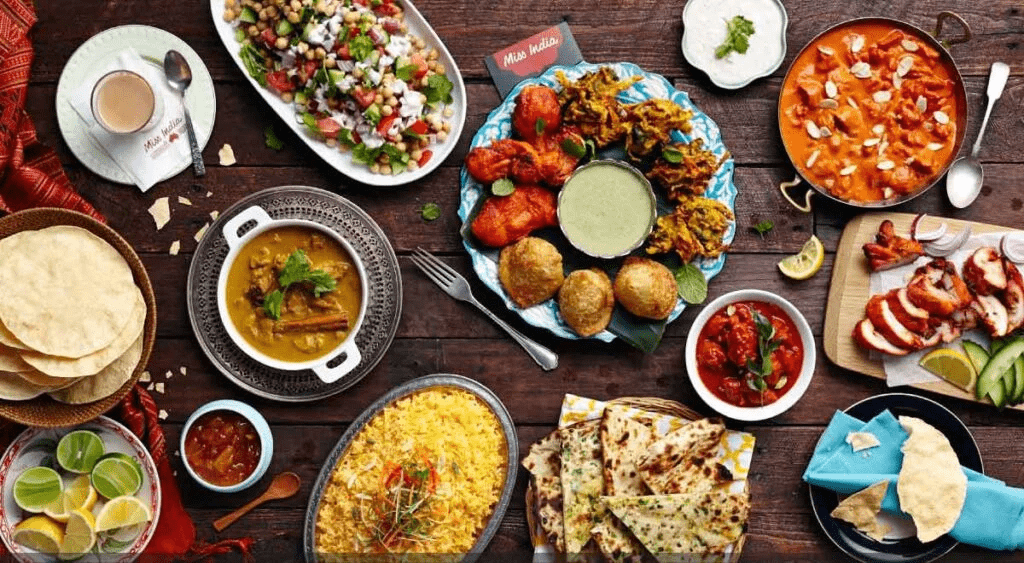

There is an invisible dividing line you cross when eating your way through West India. It is a region where the landscape shifts dramatically from the sun-bleached, unforgiving salt pans of Kutch to the humid, palm-fringed coastlines of Goa, and the food behaves exactly like the geography. It is a sensory rollercoaster. One moment your tongue is deciphering the delicate, sweet-and-sour jigsaw puzzle of a Gujarati home-cooked dal; the next, it is being blissfully scorched by the rustic, fiery red chilies of a Rajasthani desert curry, before being cooled down by the deep, comforting tang of a Goan fish curry.
West Indian cuisine refuses to be put into a single, neat box. It is an intersection of survivalist ingenuity, royal indulgence, coastal abundance, and some of the most energetic street-food theater on the planet. Here, recipes are treated like sacred family heirlooms, and kitchens function as the emotional heartbeats of the home. To eat here is to understand that food is never just fuel—it is an act of pure hospitality, a preservation of identity, and a celebration of the ground you are standing on.
The Food Identity of West India

To map the culinary mind of West India, you have to understand how deeply geography and cultural beliefs dictate the cooking pot. The region is a beautiful contradiction of dietary philosophies. In Gujarat and Rajasthan, vegetarianism is not just a health choice or a passing trend; it is a profound spiritual ethic, refined over centuries into an incredibly sophisticated art form that creates complex textures and flavors without ever touching meat.
Meanwhile, Maharashtra acts as a massive culinary bridge, stretching from the hyper-vibrant, fast-paced street snacks of Mumbai to the rustic, spice-heavy farming heartlands of the interior, and down to the coastal Konkan belt where the sea rules the kitchen.
- Coastal West India: Heavy reliance on fresh seafood, dense coconut bases, and sharp souring agents like fresh kokum or tamarind to cut through the tropical heat.
- Desert & Arid Inland: Built entirely on pulses, millets, and dairy products like ghee and yogurt, utilizing sun-dried ingredients that can survive the lack of fresh water.
Gujarati Food: Sweet, Tangy, and Comforting
There is a widespread, lazy misconception that Gujarati food is simply “sweet.” In reality, true Gujarati cooking is a masterful high-wire act of balancing flavors. It is an intentional, sophisticated harmony where sweet, salty, sour, and spicy notes hit your palate all at the exact same time. The subtle addition of jaggery or sugar to savory dishes isn’t meant to turn dinner into dessert; it is a brilliant culinary technique designed to cut through the natural heat of spices and refresh the body in a hot, dry climate.
The crown jewel of this culture is the legendary Gujarati thali—an overwhelming, geometric spread of small metal bowls (katoris) that represents the absolute ultimate in hospitality. To sit before a thali is to be gently targeted by a non-stop assault of generosity from servers who treat food refusal as a personal challenge.
You are served fluffy, cloud-like dhoklas, intricate rolls of khandvi that melt the second they hit your tongue, and thepla—a spiced flatbread loaded with fresh fenugreek leaves that tastes like home. In the winter months, the kitchen turns into a celebration with undhiyu, a complex, slow-cooked rustic stew of root vegetables, berries, and fenugreek dumplings baked upside-down in earthen pots. It is a cuisine that feels profoundly nurturing, gentle on the system, and entirely designed to make you feel safe and cared for.

The crown jewel of this culture is the legendary Gujarati thali—an overwhelming, geometric spread of small metal bowls (katoris) that represents the absolute ultimate in hospitality. To sit before a thali is to be gently targeted by a non-stop assault of generosity from servers who treat food refusal as a personal challenge.
Maharashtrian Cuisine: Bold, Vibrant, and Full of Variety

Maharashtrian food is a shape-shifter. It changes its flavor profile entirely every few hundred kilometers. It can be fiercely hot, deeply earthy, or soothingly mild, depending on whether you are eating in a high-rise apartment in Mumbai, a traditional home in Pune, or a farmhouse in Kolhapur.
If you want to understand the unrelenting, democratic energy of Maharashtra, you only need to look at Vada Pav. It is the ultimate equalizer—a spicy, deep-fried potato dumpling stuffed inside a soft bread roll smeared with fiery garlic chutney. It is eaten with equal joy by billionaires in luxury cars and laborers on their lunch breaks, capturing the fast-paced, unpretentious soul of the state.
Move away from the chaotic street stalls, and you find a deeply soulful home-cooking tradition. Inland Maharashtrian food is defined by its love for bhakri (a rustic, unreleased flatbread made from millet) paired with earthy, peanut-heavy vegetable preparations or spicy, comforting misal pav (sprouted lentils topped with a fiery gravy and crunchy elements). On festive days, the air fills with the intoxicating scent of cardamom and nutmeg as grandmothers prepare puran poli—a sweet, comforting flatbread stuffed with chana dal and jaggery—or hand-sculpt delicate, steamed modaks filled with fresh coconut and jaggery for the elephant god, Ganesha. It is a cuisine that is bold, proud, and unapologetically full of character.
Goan Cuisine: Coastal Freshness and Portuguese Influence

Goa feels and tastes like nowhere else in India. It is a tropical paradise where the heavy, humid air smells of salt water, woodsmoke, and fermenting toddy. The food here is a fascinating historical marriage: the vibrant, spice-loving soul of the local Konkani fishermen meets the vinegar-preserved, pork-heavy culinary traditions of Portuguese settlers who arrived centuries ago.
The absolute backbone of daily life here is xit coddi (fish curry rice). The curry is a vibrant, orange-hued masterpiece made from freshly scraped coconut, bright red Kashmiri chillies, and the sharp, fruit-forward sourness of raw tamarind or local kokum.
For celebration meals, Goan kitchens unleash the big guns: vindaloo and sorpotel. Unlike the generic, burning-hot versions found in global takeout spots, a true Goan vindaloo is a deeply complex, slow-simmered dish balanced by the sharp, fruity tang of palm vinegar and a heavy hand of garlic. And for dessert, there is the legendary bebinca—a rich, dense, multi-layered cake made of egg yolks, coconut milk, and nutmeg, baked painstakingly layer by layer over hot coals. Goan food doesn’t just feed you; it slows your pulse down and forces you into a state of relaxed, coastal bliss.
Rajasthani Food: Rich, Rustic, and Royal

Rajasthani cuisine is a love letter to human resilience. Born in the harsh, sun-baked expanses of the Thar Desert where water is a luxury and green vegetables are hard to find for months on end, this food culture learned to look at scarcity and see opportunity. It is a cuisine that subbed out water for sour yogurt, buttermilk, and generous rivers of pure, golden ghee, creating robust dishes that could last for days without refrigeration.
The absolute signature of the state is dal baati churma. There is something incredibly primal and satisfying about eating it: you crush the hard, smoky, coal-baked wheat balls (baati) in your fist, submerge them in a pool of hot ghee, pour over the spiced lentils, and balance the heat with the sweet, crumbly texture of the churma.
It is a heavy, deeply satisfying meal built for a hard day under the desert sun. It is matched in ingenuity by ker sangri, a fascinating dish made from wild desert berries and dried beans that grow on thorny bushes, cooked with heavy oil and spices. Rajasthani food manages to walk a brilliant tightrope between the rugged, basic food of nomadic shepherds and the lavish, meat-heavy, alcohol-infused game recipes of royal palace kitchens. It is intense, unapologetic, and completely unforgettable.
Street Food Culture in West India

You cannot truly say you know West India until you have stood on a crowded sidewalk at dusk, elbow-to-elbow with strangers, watching a street vendor work under the glow of a bare halogen bulb. Street food here is a performance art, a sensory overload of clanging metal ladles, sputtering hot oil, and the sharp hiss of water hitting a smoking griddle.
- The Sizzle of the Griddle: Watch a vendor assemble Pav Bhaji—a spicy, bright red mountain of mashed vegetables cooked on a massive iron tawa, smashed with a flat iron tool, and served with a slab of butter melting into soft, toasted bread rolls.
- The Crunch of the Coast: Taste the cool, refreshing chaos of Bhel Puri and Sev Puri on the beaches of Mumbai, where puffed rice, crisp puris, raw onions, and tangy tamarind-mint chutneys create an explosive contrast of textures.
- The Desert Crunch: In Rajasthan, stop by a morning stall for a shatteringly crisp Pyaz Kachori or a giant, spice-stuffed Mirchi Vada served piping hot with tangy chutneys.
Street food here is the ultimate democracy. It breaks down all social barriers, inviting everyone to drop their guards and simply enjoy a moment of shared, delicious chaos.
Festivals and Food Traditions

In this corner of the world, a festival is not an abstract date on a calendar; it is a specific aroma that fills the house. The changing of the seasons and the worship of the gods are deeply tied to the kitchen, turning cooking into a holy ritual of gratitude.
During Ganesh Chaturthi in Maharashtra, the entire festival anchors around the sweet, steamed modak, prepared with deep devotion as an offering to the elephant god before being shared among family. In Gujarat, the winter solstice festival of Uttarayan brings families together on rooftops to fly kites, taking breaks to refuel on heavy bowls of seasonal undhiyu and sweet, crunchy peanut chikki. Meanwhile, Rajasthan’s festivals are marked by the presence of Ghevar, an intricate, honeycomb-styled sweet made of flour and ghee, soaked in sugar syrup and topped with creamy rabri. These traditions ensure that family bonds are sweetened and celebrated through shared, historic tastes.
Everyday Meals and Family Cooking

While the street food is thrilling and festive thalis are spectacular, the true soul of West Indian cuisine lives in the quiet, unpretentious rhythm of the ordinary family dinner. This is where the cooking softens, focusing on daily nourishment, local produce, and inherited intuition.
In a normal Gujarati home, a weekday lunch is a comforting, minimalist affair: thin, oil-glossed rotlis flipped expertly over an open flame, a simple shaak (vegetable stir-fry) using whatever looked fresh at the morning market, and a light, soothing dal. In a Maharashtrian household, dinner might be a comforting bowl of varan bhat (pigeon pea dal over steaming rice) with a dollop of ghee, or a rustic millet bhakri eaten with an intensely fiery garlic and green chili chutney called thecha. These meals are not flashy, but they are laced with the deep comfort of familiarity—the exact taste of home cooked by someone who knows precisely how you like it.
The Ingredients That Define West Indian Food

The flavor profiles of West India are built on a handful of hard-working, versatile ingredients that show up across state lines, changing their identity depending on who is handling them.
Take gram flour (besan)—in the dry lands of Rajasthan and Gujarat, where crops are scarce, chickpea flour is a lifesaver. It is transformed into crispy snacks like fafda, delicate noodles like sev, thick gravies like gatte ki sabzi, and sweet desserts like mohanthal.
Go down to the coast, and coconut takes over, providing the fat, the base, and the velvety texture for almost every meal, balanced by the beautiful, deep purple rind of kokum, a fruit that gives coastal food its signature, lip-smacking sour tang. The spice box here is used with incredible restraint and precision; cumin, mustard seeds, asafoetida, and turmeric are flashed in hot oil to wake them up, creating layers of flavor that support, rather than smother, the main ingredients.
FAQ’S
1. Which states are included in West India?
West India includes Gujarat, Maharashtra, Goa, and Rajasthan.
2. What is West India famous for in food?
West India is famous for dishes like dhokla, vada pav, dal baati churma, fish curry, and Goan vindaloo.
3. Is West Indian cuisine mostly vegetarian?
Gujarat and Rajasthan are mainly vegetarian, while Maharashtra and Goa offer many seafood and meat dishes.
4. What are the common ingredients used in West Indian food?
Common ingredients include millet, wheat, rice, lentils, coconut, gram flour, jaggery, and aromatic spices.
5. Which West Indian sweet is the most popular?
Popular sweets include shrikhand, modak, ghevar, bebinca, and mohanthal.



Leave a Reply