

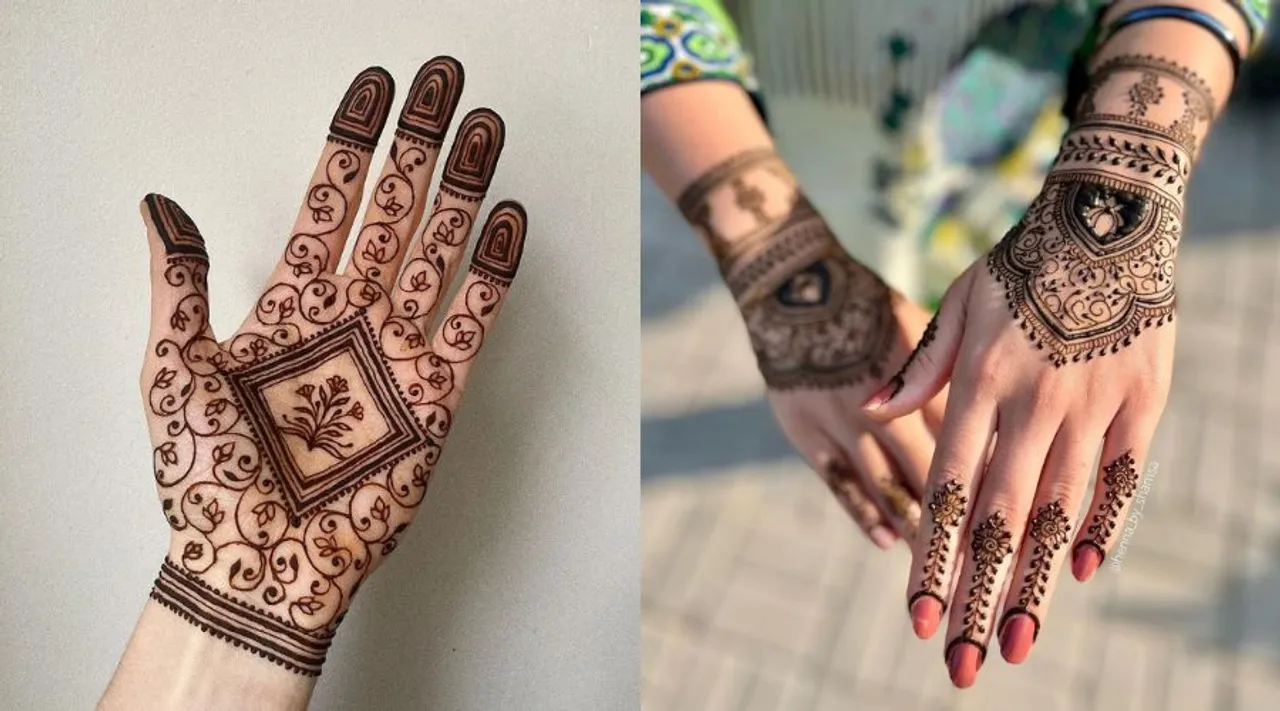

There is a distinct, intoxicating scent that fills the air during Mehndi seasons of celebration across South Asia and the Middle East—a rich, earthy blend of crushed green leaves, sweet eucalyptus, and warm cloves. It is the unmistakable aroma of fresh, natural henna paste. The moment that cool, wet paste touches your skin through the tip of a plastic cone, a transformation begins.
Henna mehndi is not merely a superficial cosmetic enhancement; it is a living, breathing tradition that has woven its way through the tapestry of human history for thousands of years. It is an artistic language spoken at weddings, religious festivals, and family milestones. Unlike permanent tattoos that lock you into a single identity forever, mehndi is beautifully transient. It anchors you to a moment of pure joy, deepens into a rich, mahogany stain over forty-eight hours, and then gracefully fades away, leaving behind the memory of a celebration.
To wear mehndi is to participate in a ritual of slow, intentional beauty. It forces you to sit still, to pause the frantic rush of daily life, and to allow an artist to map out an intricate story across your skin.
The Historical Tapestry of the Henna Plant

Long before henna became a global fashion statement, it was a practical gift from nature. Derived from the leaves of the Lawsonia inermis plant, which thrives in arid, desert climates, henna was originally used for its natural cooling properties. Desert communities discovered that applying a paste made from crushed leaves to their palms and the soles of their feet helped regulate body temperature in the blistering heat.
Over time, that cooling green smudge evolved into artistic expression. The leaf contains a natural dye molecule called lawsone, which binds safely with the keratin in human skin, leaving behind a semi-permanent stain ranging from warm orange to deep, smoky crimson. From the ancient pharaohs of Egypt to the royal courts of the Mughals, henna transformed into an essential symbol of prosperity, protection, and joy. Today, whether it is applied for Eid, Diwali, a wedding, or a casual gathering, it remains an unbroken link to our collective ancestors.
Exploring Global Styles and Motifs
Henna artistry has no rigid boundaries. Over centuries, different geographic regions developed unique design philosophies, resulting in a diverse visual vocabulary that modern artists mix and match with incredible fluidity.
1. The Densely Woven Intricacy of Indian Mehndi

Bridal Indian mehndi is the pinnacle of this art form. It is highly personalized; artists spend hours meticulously embedding the groom’s hidden initials, depictions of wedding processions, royal elephants, and sacred lotus blossoms into the pattern. It is heavy, dramatic, and intensely sentimental.
Traditional Indian mehndi is a celebration of abundance. It is defined by its architectural precision and full-coverage philosophy, leaving very little open skin. The designs tell epic visual stories, flowing seamlessly from the fingertips down to the forearms.
Jewelry-inspired mehndi mimics the look of delicate filigree bracelets, lace cuffs, and intricate rings. It offers an understated, contemporary aesthetic that pairs just as beautifully with a modern Western blazer as it does with a traditional silk lehenga.
2. The Flowing Elegance of Arabic Patterns
If Indian mehndi is a dense tapestry, Arabic mehndi is a fluid watercolor painting. Originating in the Middle East, this style is characterized by bold, thick outlines, flowing floral trails, and sprawling leafy vines that cascade diagonally across the hand.
The genius of Arabic design lies in its use of negative space. By leaving large sections of the skin completely bare, the dark henna patterns pop with striking, modern contrast. It feels lighter, more geometric, and incredibly elegant, making it the perfect choice for someone who wants an eye-catching design without spending four hours sitting in an artist’s chair.
3. The Refinement of Minimalist and Jewelry-Inspired Trends
We are currently witnessing a massive shift toward minimalist henna art. Younger generations are reimagining mehndi not as a traditional obligation, but as a subtle accessory.
Jewelry-inspired mehndi mimics the look of delicate filigree bracelets, lace cuffs, and intricate rings. It offers an understated, contemporary aesthetic that pairs just as beautifully with a modern Western blazer as it does with a traditional silk lehenga.
The Alchemy of the Perfect Stain

Every person who has ever applied henna knows the anticipation of the reveal. You scrape off the dry paste, hoping for that deep, rich, midnight-mahogany color. Achieving a breathtaking stain is a mix of chemistry, patience, and proper aftercare.
1.Demand 100% Natural Henna:Choose raw ingredients.
Never use commercially manufactured “Instant” or “Black” henna. These are loaded with chemical dyes like PPD (paraphenylenediamine), which can cause severe skin burns. Real henna is green, smells like essential oils, and takes hours to develop.
2.The Waiting Game:Let the paste work.
Leave the wet paste on your skin for at least 4 to 6 hours—or better yet, overnight. As the paste dries, wrap it gently or seal it with a homemade sugar-and-lemon-juice glaze to keep the henna moist and clinging to your skin.
3.Scrape, Don’t Wash:No water allowed.
When it’s time to remove the crust, scrape it off gently with a butter knife or your fingernails. Do not let water touch the area for the first 24 hours. Water halts the oxidation process of the dye molecule.
4.Oxidation and Heat:Heat and oil protection.
Apply a natural oil like mustard, coconut, or clove oil to the fresh orange stain. Exposure to natural body heat over the next two days will cause the color to deepen from bright orange into a magnificent, dark reddish-brown.
The Social Soul of the Mehndi Ceremony

At its core, mehndi is an art form designed to bring people together. In South Asian wedding traditions, the Mehndi Night is often the most beloved pre-wedding event. It is a space explicitly cleared for joy. It is filled with the rhythmic beat of a dholak, competitive family dance-offs, old folk songs, and platefuls of sweets.
“Mehndi is the ultimate social glue. You cannot hold a phone, you cannot type, and you cannot work while your hands are covered in wet henna. It forces you to look up, talk, laugh, and be fully present with the people around you.”
For a few hours, the busy world fades into the background. Grandmothers sit next to nieces, sharing stories of past weddings while waiting for their turn with the artist. It is a beautiful, matriarchal space of intergenerational bonding where love, laughter, and cultural memory are passed down through the tips of a staining cone.
Embracing the Art Form Privately

You do not need to wait for a massive family wedding to experience the joy of henna. Millions of people around the world practice self-application as a form of meditative therapy. The rhythmic, steady pressure required to squeeze lines out of a henna cone requires complete concentration, serving as a beautiful sensory anchor that calms a racing mind.
| Setting the Vibe | The Creative Canvas | The Mental Payoff |
|---|---|---|
| Light a candle, put on slow music, and brew a hot cup of tea. | Start on your palms with a simple mandala or a scattering of botanical leaves. | The focus required to balance lines quiets internal mental clutter. |
When you look down at your hands in the days following application, you aren’t just looking at decoration. You are looking at a living art form that has brought comfort, celebration, and creative fulfillment to human beings across the globe for centuries. It is a small, beautiful reminder of our shared capacity for creativity, joy, and connection.
FAQ’S
1. How long does henna mehndi last?
Natural henna usually lasts between 1 and 3 weeks, depending on skin type and aftercare.
2. Which henna mehndi design is best for beginners?
Simple floral, Arabic, and minimalist designs are great choices for beginners.
3. How can I make my mehndi stain darker?
Leave the henna paste on for several hours and avoid washing the area immediately after removing it.
4. Is natural henna safe for the skin?
Yes, pure natural henna is generally safe when used properly. Avoid chemical-based black henna products.
5. Can I apply henna mehndi for occasions other than weddings?
Yes, henna is popular for festivals, parties, family celebrations, and even casual events.



Leave a Reply