

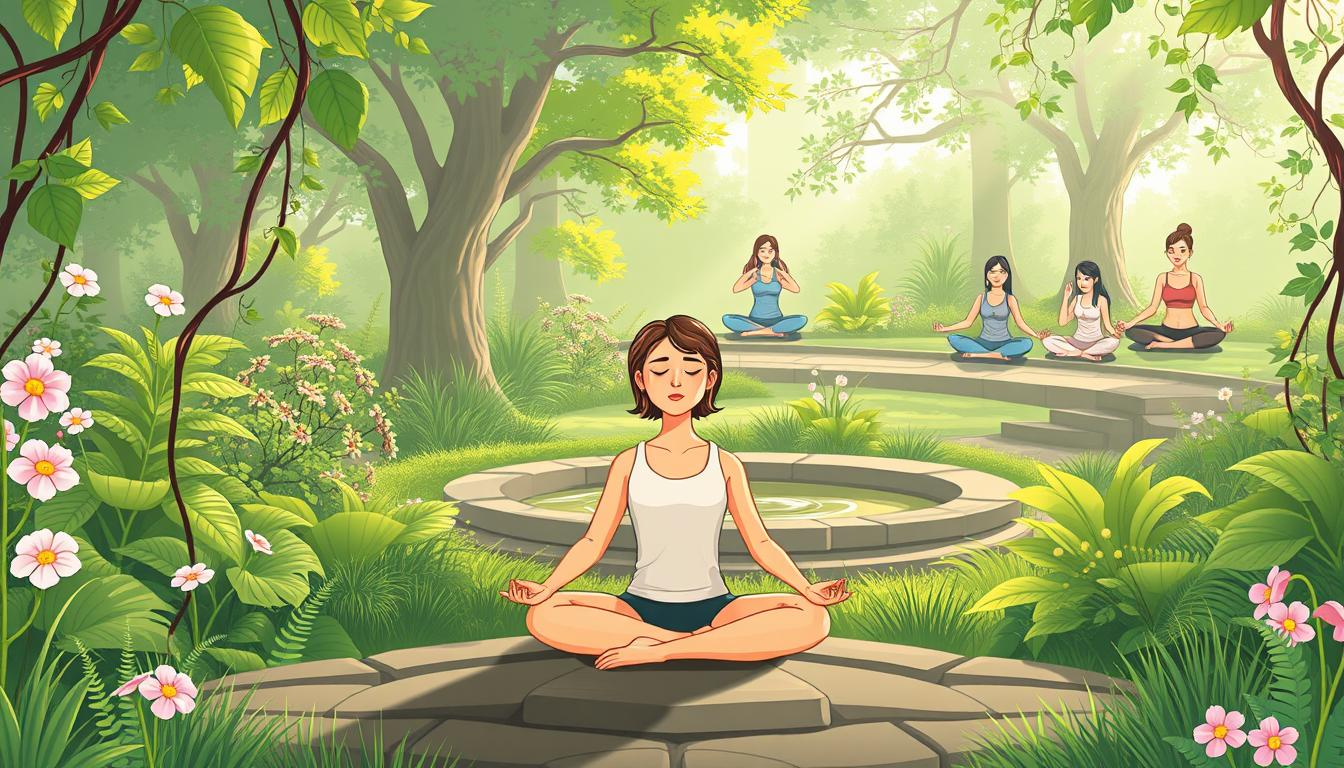

Stress is something almost all of us deal with, but the way we handle it dictates the quality of our days. A tiny bit of pressure can sometimes keep us sharp and help us cross things off our to-do list, but when that pressure turns into a permanent state of being, everything else starts to suffer. Your sleep goes out the window, your mood takes a hit, your energy tanks, and your health pays the price. That is exactly why finding natural, everyday ways to take the pressure off is so important.
The good news is that you don’t need a complicated 10-step routine, a weekend at a luxury spa, or expensive supplements to feel better. Honestly, the things that work the best are usually the simplest. A few tiny changes to your daily habits, a slight shift in your perspective, drawing a line when people ask too much of you, and a few basic relaxation tricks can completely change how you feel. This guide is a realistic, no-nonsense look at how to lower your stress levels naturally without upending your entire life.
Stress is Sneaky: Notice It Early

Stress usually creeps in when life simply asks too much of you all at once. Heavy workloads, money worries, family drama, a string of bad nights, and the non-stop buzz of your phone can pile up until you’re carrying a mountain. At first, you might just notice you’re a bit snappy, struggling to focus, or waking up tired. But if you try to bulldoze through it and pretend everything is fine, it usually bounces back twice as hard.
Managing stress naturally starts with pausing and recognizing your own red flags before you hit a wall. Once you know what triggers that tight feeling in your chest or that racing mind, you can step in and fix it before things get ugly.
Stress Just Breathe (Seriously, It Works)
It sounds cliché, but the fastest, most effective tool you have to calm your nervous system is your breath. When you’re stressed or anxious, your breathing naturally becomes shallow and rapid, which tells your brain you’re in danger. By forcing it to slow down, you send a direct signal to your body that you are completely safe.
Try this right now: take a slow, deep breath in through your nose, hold it for just a second, and then let it out slowly through your mouth. Doing this for just two or three minutes can drop your heart rate and bring your mind back to reality. The best part? It’s completely free, and you can do it at your desk, on the couch, or while stuck in bumper-to-bumper traffic.
Stress Move Your Body (No Gym Rat Energy Required)

Physical movement is essentially a reset button for a stressed mind. You do not need to sign up for an intense, sweaty hour-long workout to reap the benefits here. A quick walk around the block, a few minutes of gentle stretching on the floor, a short yoga routine, or just putting on a favorite song and moving around your room can shake off built-up tension.
Movement works on two fronts: it burns off stress hormones and triggers the stuff that makes you feel good. It clears out the mental cobwebs, lifts your mood, and sets you up for better sleep later. Even 10 or 15 minutes of moving around makes a massive difference. Don’t worry about working hard; just worry about being consistent.
Stress Fix Your Sleep to Fix Your Day
Stress and poor sleep love to feed off each other. When you’re exhausted, everything feels ten times harder than it actually is. Your patience wears thin, your focus is shot, and a tiny inconvenience can feel like an absolute crisis. A decent sleep routine gives your brain the chance to clean house and recover from the day’s chaos.
To naturally get better rest, try keeping your bedtime relatively consistent, put the phone away at least thirty minutes before you turn off the lights, and keep your bedroom cool and dark. Cutting off the caffeine a bit earlier in the afternoon helps a lot, too. Good sleep won’t magically solve your problems, but it gives you the stamina to face them with a clear head.
Eat Stuff That Calms Your Brain

What you put in your body directly influences how you handle life’s curveballs. When you give your body real, nourishing food, your energy stays steady instead of spiking and crashing. Focus on the basics: fresh fruits and veggies, nuts, whole grains, and clean protein.
On the flip side, relying too heavily on sugar, caffeine, and highly processed convenience foods might give you a quick burst of energy, but it almost always ends in a crash that makes anxiety feel worse. You don’t need to adopt a flawless, restrictive diet. Just pay attention to how certain foods make you feel an hour after you eat them, keep your meals regular, and drink enough water.
Step Outside for Five Minutes
Nature has a weirdly instant way of cooling down a fried brain. Fresh air, natural light, the sight of some trees, and just having open space above your head allows your mind to slow down and breathe.
You don’t need to plan a massive weekend hiking trip to get this reset. Just sitting on your porch, walking through a local park, or stepping outside into the sun during a quick break can pull you out of a mental rut. If your day feels heavy and crowded, going outside is the easiest way to break the cycle.
Slow Down the Daily Grind Stress

A lot of our daily stress is entirely self-inflicted because we try to pack 30 hours of living into a 24-hour day. Rushing from the second your alarm goes off until your head hits the pillow keeps your body in a constant state of fight-or-flight.
Try to introduce a little more breathing room into your schedule. Pick the top two or three things that absolutely must happen today and let the rest sit. Build in ten-minute buffers between meetings or tasks, and give yourself permission to move a little slower. A calmer routine isn’t about being lazy or doing less with your life; it’s about having the space to actually experience your day instead of just surviving it.
Protect Your Mental Space
A lot of the pressure we feel doesn’t actually come from our external circumstances—it comes from the loops playing inside our own heads. Replaying old mistakes, worrying about things in the future you can’t control, or comparing your life to someone else’s highlight reel will drain your battery in no time.
When you notice your thoughts spinning out of control, find a way to get them out. Grab a piece of paper and write down exactly what is bothering you; seeing it in black and white often makes a massive, terrifying thought look small and manageable. A few minutes of quiet reflection, journaling, or just sitting still without any distractions can protect your peace of mind.
Get Comfortable with the Word “No”

One of the most powerful things you can do for your mental health is learn how to set firm boundaries. A huge reason people burn out is simply because they say yes too much. Taking on extra projects at work when you’re already drowning, agreeing to social plans you’re too tired for, and constantly putting everyone else’s needs ahead of your own is a recipe for disaster.
Saying no isn’t selfish; it’s self-preservation. You only have so much time and energy to give each day. When you start protecting that energy and letting go of the things that don’t truly matter, your life naturally starts to feel lighter.
Talk to Someone You Actually Trust
Carrying everything by yourself makes the load feel twice as heavy. When things get overwhelming, reach out to someone who actually gets you—a close friend, a family member, or your partner.
You don’t always need them to solve your problems or give you a lecture on what to do next. Most of the time, you just need a safe space to vent and be heard. Real human connection reminds you that you aren’t an island and you don’t have to figure everything out on your own.
Do Things Just for the Fun of It
A peaceful life isn’t just about managing deadlines and avoiding triggers; it’s about actively making space for things that bring you pure joy. Hobbies give your brain a break from daily pressures by channeling your focus into something low-stakes and creative.
Whether it’s reading a good book, messing around in the kitchen, painting, gardening, listening to music, or just sitting quietly with a cup of tea, these small moments matter. They might seem unproductive on paper, but they are exactly what refills your emotional tank so you can handle the hard stuff later.
Build a Routine That Fits the Real World

The absolute best stress-relief routine is the one you actually keep doing. Don’t try to change your entire life overnight by adopting an unrealistic, complicated routine that creates more stress.
Start small. Maybe you spend two minutes deep breathing before you get out of bed, take a 10-minute walk after lunch, drink one extra glass of water, and put your phone away a bit earlier tonight. Tiny, simple habits practiced day after day add up to massive changes over time. Forget about being perfect; just focus on making your days a little kinder to yourself.
Final Thoughts
Stress will always be part of life, but it does not have to control your days. When you learn how to manage stress naturally, you give yourself the chance to feel stronger, calmer, and more balanced. Simple habits like deep breathing, movement, good sleep, healthy food, time outdoors, and better boundaries can create real change over time.
The most effective stress relief often comes from daily choices. You do not need to wait for a perfect moment to begin. Start small, stay consistent, and give yourself credit for each step you take. A calmer life is built one habit at a time, and even the smallest changes can lead to a much healthier mind and body.
FAQs
1. What is the best natural way to reduce stress quickly?
Deep breathing is one of the fastest natural ways to calm the body and mind when stress feels intense.
2. Can exercise really help with stress?
Yes, regular movement can improve mood, release tension, and help your body handle stress more effectively.
3. How does sleep affect stress?
Poor sleep can make stress feel worse, while good sleep helps improve focus, patience, and emotional balance.
4. Is meditation useful for everyday stress?
Yes, even a few minutes of meditation or mindfulness can help you feel more grounded and less overwhelmed.
5. What should I do if stress feels too heavy to manage alone?
Talking to a trusted person or a mental health professional can provide support and help you find healthier coping strategies.




Leave a Reply