

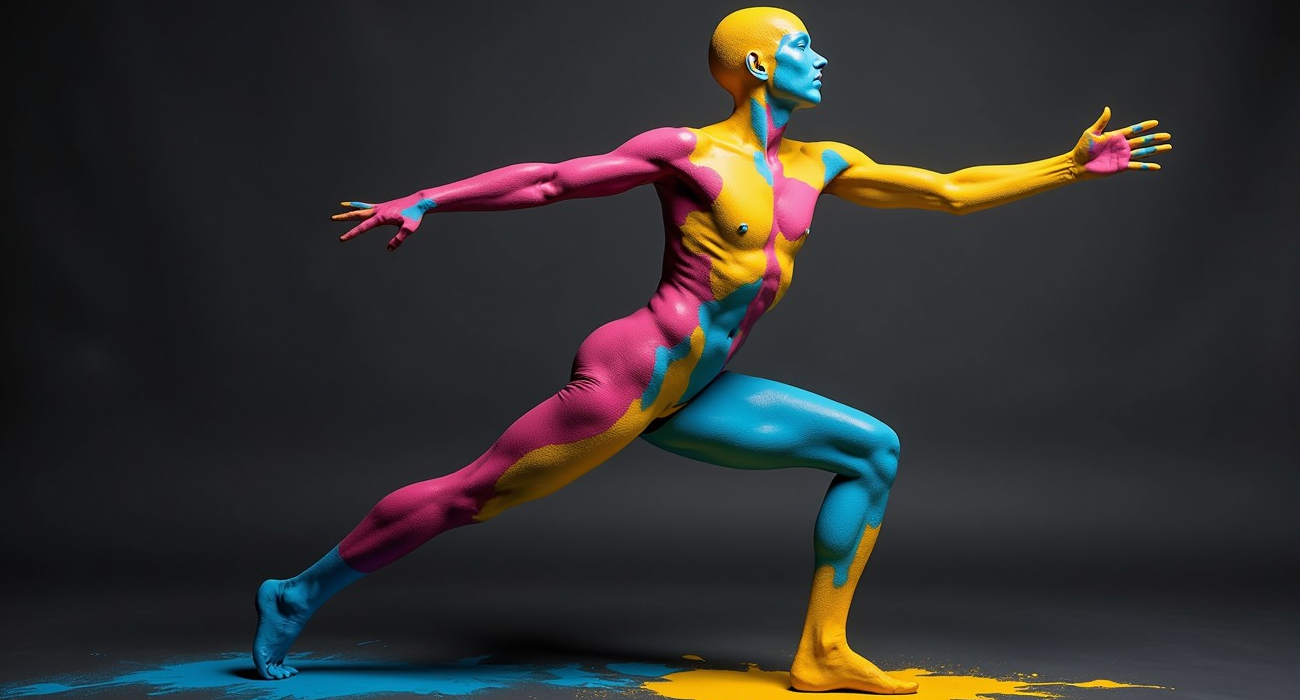

The human Body Art is the only house you’re guaranteed to live in for your entire life.So it makes total sense that for thousands of years, across every corner of this planet, we haven’t just been content to live in it—we’ve been decorating the walls.
Walk into any modern tattoo parlor, bridal salon, or festival today, and you’ll see people getting inked, pierced, or painted. It’s easy to view this through a 2026 lens as just a collection of cool aesthetics, personal fashion statements, or quick hits of dopamine for social media. But if you scratch beneath the surface, you realize you’re looking at an ancient, global language.
Long before humans wrote books or coded websites, we used our own skin as a canvas. We did it to tell our neighbors who our ancestors were, to prove we survived a brutal right of passage, to scream out our social status, or to beg the universe for a little bit of spiritual protection.
Here is the real, unpolished truth behind the world’s most iconic body art traditions—and why they still make us stop and stare today.
Body Art Polynesian Tattoos: The Autobiography Written in Ink

In the West, getting a tattoo is often a spontaneous weekend decision. In Polynesia—across Samoa, Tahiti, Hawaii, and New Zealand—historical tattoo traditions (tatau or tā moko) are a grueling, sacred autobiography. You don’t just flip through a binder, pick a flash design off the wall, and point to your arm. Your tattoo has to be earned.
- The Reality: Traditional Polynesian tattoos are a visual map of your bloodline, your character, your triumphs, and your place in the community. The geometric shapes, shark teeth motifs, and flowing ocean lines are deeply intentional. In Māori tradition, the tā moko (facial tattoo) specifically marks a person’s noble lineage. To copy these sacred markings purely because they look “badass” is considered a massive insult to the culture.
- The Process: Forget the gentle buzz of a modern electric tattoo gun. Traditional tatau is an endurance test. Artists use handmade tools—often bone, shell, or wood teeth lashed to a stick—and literally mallet the dark ink directly into the skin. It’s an agonizing, bloody process that requires weeks of intense discipline, immense courage, and community support just to heal. If you break under the pain, the incomplete tattoo stands as a permanent mark of public shame.
Body Art South Asian & Middle Eastern Henna: The Stain of Joy

If Polynesian ink is about permanent endurance, Henna (mehndi) is the exact opposite. It is a brilliant, temporary explosion of joy, community, and celebration that has wound its way through India, Pakistan, Bangladesh, and the Middle East for centuries.
- The Reality: Made from the crushed leaves of the natural henna plant, this cool paste is intricately piped onto the hands, palms, and feet of women, most famously during weddings and massive festivals like Eid or Diwali. It’s not just an accessory to match a beautiful dress; it is an active blessing. The dark, rich red stain left behind on the skin is viewed as a physical manifestation of good fortune, deep love, and a prosperous future.
- The Human Connection: The application of bridal henna is practically a multi-day party in its own right. It forces the bride to sit completely still for hours while artists trace impossibly delicate floral and geometric motifs onto her skin. While she is immobilized, her aunts, mother, and friends crowd around her—feeding her sweets, laughing, telling old family secrets, and passing down marital wisdom. It transforms body decoration into a living bridge between generations.
Body Art Native American Markings: The Spiritual Armor

To talk about Native American body art is to talk about survival, spiritual lineage, and direct connection to the land. Because there are hundreds of distinct indigenous nations across North America, there is no single “Native American style.” Instead, there is a rich, vastly diverse tapestry of face paint, ceremonial markings, and permanent tattoos.
- The Reality: For many tribes, modifying the skin was a deeply sacred act connected to community values and spiritual visions. A specific line of red ochre face paint or a tattooed symbol on the chest wasn’t cosmetic; it was a prayer made physical. It could represent a warrior’s proven bravery in battle, a visual marker of their specific clan or family line, or a protective shield against malevolent spirits.
- A Living History: These traditions carry heavy historical weight. During the dark eras of forced assimilation, indigenous languages, ceremonies, and body markings were aggressively banned. Today, the resurgence of traditional tattoos among indigenous youth isn’t a vintage trend—it is a fierce, beautiful act of political and cultural reclamation. They are putting their ancestors’ history right back where it belongs: on their skin.
African Body Modification: The Geography of Belonging

Across the African continent, body art takes some of the most diverse, visually striking forms on earth, ranging from the intricate, temporary clay face paintings of the Omo Valley peoples to the permanent, textured art of scarification.
- The Reality of Scarification: In various traditional cultures across regions like West Africa, scarification—the process of intentionally opening the skin to create raised, permanent keloid patterns—serves as the ultimate badge of honor. In communities where dark skin makes dark tattoo ink difficult to see, these textured scars catch the light perfectly.
- The Deeper Meaning: These patterns are a sophisticated, local graphic language. They mark a young person’s transition into adulthood, signify immense physical resilience, or denote aristocratic status. Far from being random or archaic, each intentional mark is a proud, permanent declaration of exactly who you are, where you come from, and what you have survived for your tribe.
Japanese Irezumi: The Forbidden Masterpieces

Japan’s relationship with body art is incredibly complex, running a bizarre gauntlet between high artistic reverence and deep social taboo. Traditional Japanese tattooing, known as irezumi, is globally famous for its massive, breathtaking scale—often taking the form of full “body suits” that cover a person’s back, buttocks, and limbs like a second skin made of living silk.
- The Artistry: Irezumi pieces are true masterpieces of composition, utilizing mythic themes like roaring dragons, resilient koi fish swimming upstream, delicate cherry blossoms, and fierce samurai. These designs are visual metaphors for human character traits: the koi represents absolute perseverance, while the dragon channels protective wisdom.
- The Social Trap: Despite the fact that global collectors pay tens of thousands of dollars to fly to Japan and sit for master artists, tattoos carry a heavy stigma within the country. Historically used to mark criminals, and later adopted heavily by the Yakuza (organized crime syndicates), tattoos are still widely banned today in public bathhouses (onsens), gyms, and swimming pools across Japan. It creates a fascinating paradox: an art form designed to look jaw-droppingly beautiful, but meant to be hidden entirely beneath a button-down shirt.
The Modern Melting Pot (And How Not to Mess It Up)

In today’s hyper-connected world, we have instant visual access to all of these ancient styles. You can scroll through an app and see a mix of Celtic knots, tribal lines, and Japanese waves all blended together into a single sleeve.
While globalization has turned body art into a beautiful universal language, it has also created a bit of a minefield. There is a very fine, distinct line between appreciation and appropriation.
- The Golden Rule: If a design comes from a living culture—especially one that has historically suffered from colonization or suppression—don’t just pull it off the internet because it looks pretty. Take the time to read the history. Talk to an artist who actually belongs to that heritage or understands its rules. When you know the story behind the lines on your skin, you stop wearing a caricature and start carrying a piece of genuine human history.
Final Thoughts
Body art around the world is a beautiful reminder that culture, identity, and creativity are deeply connected. From traditional tribal tattoos and ceremonial henna to symbolic scarification and modern artistic tattooing, every style has a story to tell.
These traditions are not just about decoration. They are about people, beliefs, history, and the need to express meaning through visible art. That is why body art continues to inspire so many people today. It is timeless, personal, and endlessly diverse.
Whether you admire body art for its beauty, cultural meaning, or artistic detail, one thing is clear: it remains one of the most powerful ways humans tell their stories without words.
Frequently Asked Questions
1. What is body art?
Body art includes tattoos, henna, piercings, scarification, body paint, and other forms of decorating or marking the body.
2. Why is body art important in different cultures?
Body art often represents identity, beauty, spirituality, celebration, status, or life milestones.
3. Is body art the same everywhere?
No. Different cultures use different materials, symbols, and traditions, and each has its own meaning.
4. Why is henna considered body art?
Henna is a temporary form of body decoration that uses natural dye and is often connected to celebration and tradition.
5. Can modern body art still have cultural meaning?
Yes. Many people choose tattoos and other forms of body art to honor heritage, values, or personal stories.




Leave a Reply