

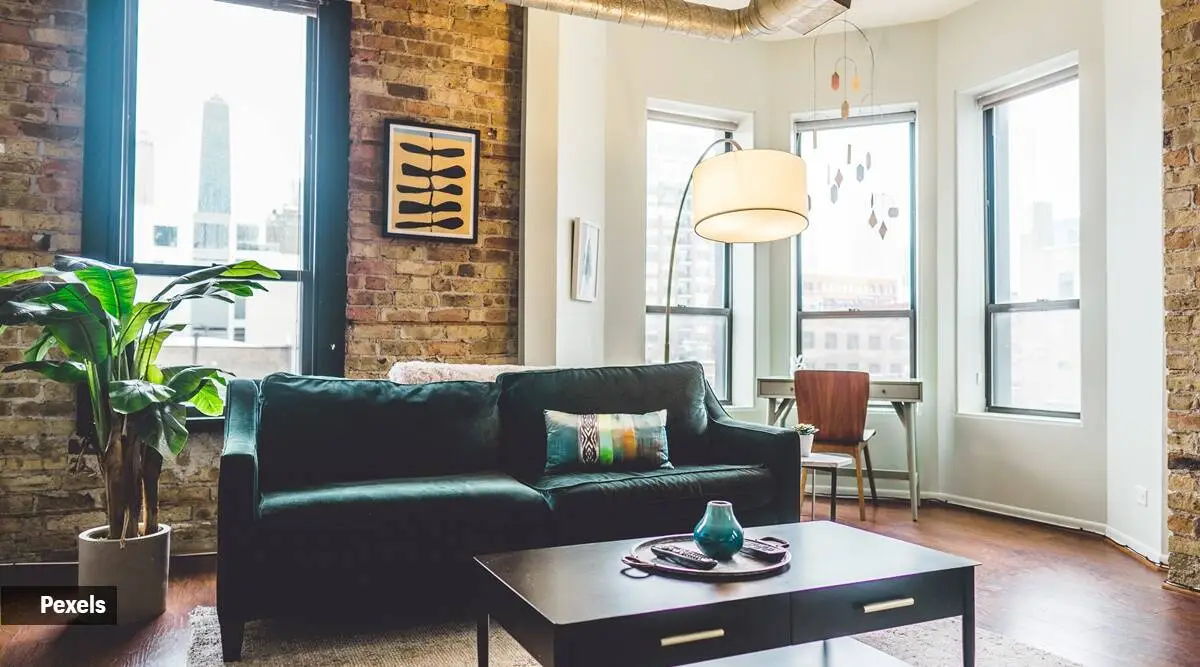

A modern home is not only about stylish furniture, beautiful colors, or the latest technology. It is about creating a space that feels comfortable, organized, practical, and suited to the way you live. The best modern home ideas combine attractive design with everyday functionality, helping you enjoy your space more while making daily routines easier.
Whether you live in a large house, a compact apartment, or a small urban space, thoughtful changes can improve the way your home looks and feels. From smart organization and flexible furniture to better lighting and sustainable choices, modern living is about making the most of your home.
Create a Home That Works for You
Every home has a different purpose. Some people need a quiet place to work, while others want an open space for entertaining family and friends. Understanding how you use your home is the first step toward creating a better living environment.
Before making major changes, think about what works well and what causes problems. Do you need more storage? Is a room difficult to use? Does your home feel too dark or crowded?
Answering these questions can help you make practical decisions instead of simply following design trends. A modern home should reflect your lifestyle and make everyday activities more convenient.
Choose a Clean and Simple Design

Modern home design often focuses on clean lines, simple forms, and uncluttered spaces. This does not mean your home needs to feel empty or cold.
Choose furniture and decor that serve a purpose. Avoid filling every corner with unnecessary items. A more organized space can feel calmer and easier to maintain.
Simple design also creates flexibility. When a room is not overcrowded, it becomes easier to rearrange furniture, add seasonal decorations, or adapt the space to changing needs.
Use Smart Storage Solutions
Storage is one of the most important parts of modern home living. A well-organized home can feel more spacious and comfortable.
Use shelves, drawers, cabinets, baskets, and storage furniture to keep belongings organized. Make use of vertical wall space in smaller rooms.
Multi-functional furniture can also be helpful. Beds with storage, ottomans with hidden compartments, and expandable tables can provide extra functionality without taking up unnecessary space.
The goal is not to hide everything. It is to create an organized system that makes everyday items easy to find.
Improve Your Home Lighting

Lighting can completely change the atmosphere of a room. A modern home should include a combination of natural and artificial light.
Make the most of natural sunlight by keeping windows clear and using curtains that allow light into the room. Mirrors can also help reflect light and create a greater sense of openness.
Use different types of lighting for different purposes. Ceiling lights can provide general illumination, while floor lamps, table lamps, and accent lighting can create a warmer atmosphere.
Consider the function of each room when choosing lighting. Workspaces may need brighter light, while bedrooms and living rooms may benefit from softer lighting.
Choose Flexible Furniture
Modern lifestyles often change. A room may serve as a living area during the day and a workspace or entertainment area later.
Flexible furniture can help your home adapt to different needs. Modular sofas, folding tables, adjustable desks, and multi-purpose furniture can be useful in both large and small spaces.
Before buying furniture, consider the size of the room and how the item will be used. Furniture should allow people to move comfortably through the space.
A beautiful piece of furniture is valuable, but it should also be practical and comfortable.
Add Natural Elements


Natural materials and indoor plants can make a modern home feel warmer and more inviting. Wood, stone, cotton, bamboo, and woven materials can add texture and character.
Indoor plants can bring color and a natural feeling to living spaces. Choose plants based on the available light and the level of care you can provide.
Even a few natural elements can make a noticeable difference. The goal is to create a balanced environment that feels comfortable rather than overly artificial.
Make Small Spaces Feel Larger
Small homes can be both stylish and functional with the right planning. The key is to use available space carefully.
Choose furniture that fits the scale of the room. Avoid oversized pieces that make movement difficult.
Use light colors, mirrors, organized storage, and good lighting to create a more open feeling. Keep walkways clear and avoid unnecessary clutter.
Every item in a small home should ideally serve a useful purpose. Multi-functional furniture can be especially valuable when space is limited.
Create a Comfortable Home Office

Many people now work or study from home, making a comfortable workspace an important part of modern living.
Choose a location with suitable lighting and enough space for your work equipment. A supportive chair and an appropriate desk can help create a more comfortable environment.
Keep the workspace organized so that important items are easy to access. If possible, separate your work area from relaxation spaces to create a clearer boundary between work and personal time.
A well-designed home office can support productivity without taking over your entire home.
Use Smart Home Technology Thoughtfully
Technology can improve convenience and efficiency when used properly. Smart lighting, home security systems, thermostats, and connected appliances can help simplify daily routines.
However, technology should solve real problems rather than create unnecessary complexity. Choose devices that are easy to use and provide genuine value.
Energy-efficient technology may also help reduce unnecessary energy use. Automated lighting and temperature controls can make certain household routines more convenient.
Focus on Energy Efficiency

A modern home should also consider energy efficiency. Simple changes can help reduce energy consumption and support more responsible living.
Use energy-efficient lighting, turn off devices when they are not needed, and make sure doors and windows are properly sealed where possible.
Energy-efficient appliances may also help reduce long-term household costs. Natural ventilation and sunlight can sometimes reduce the need for artificial lighting or cooling.
Small improvements can contribute to a more efficient and comfortable home.
Make Your Bedroom a Relaxing Space
The bedroom should provide a comfortable environment for rest. Choose bedding that suits your preferences and keep the room organized.
Soft lighting, calming colors, and reduced clutter can help create a more peaceful atmosphere.
Try to keep unnecessary distractions away from the sleeping area. A comfortable bedroom should feel calm and separate from the demands of daily work and responsibilities.
Design a Functional Kitchen
The kitchen is often one of the busiest areas in a home. Good organization can make cooking and daily tasks easier.
Keep frequently used items within easy reach. Organize cabinets and drawers according to how often items are used.
Use wall storage, drawer organizers, and containers where appropriate. A clean and efficient kitchen can save time and make meal preparation more enjoyable.
Create a Welcoming Living Room

The living room should be comfortable, practical, and suitable for the way you spend time at home.
Arrange furniture to encourage conversation and make movement easy. Choose seating that is comfortable for everyday use.
Add personality with artwork, plants, cushions, rugs, or other decorative elements. You do not need to follow every trend. Choose items that reflect your preferences and make the room feel welcoming.
Keep Your Home Easy to Maintain
A modern home should be practical to clean and maintain. Choose materials and furniture that suit your lifestyle.
Regular cleaning helps prevent clutter and keeps the home feeling fresh. Small maintenance tasks can also prevent bigger problems later.
Creating simple routines makes home care easier. A few minutes of organization each day can reduce the amount of work needed later.
Personalize Your Space

A modern home does not have to look identical to every other modern home. Personal touches make a space feel unique.
Display meaningful photographs, artwork, books, travel memories, or other items that reflect your personality.
The best home design combines style with personal meaning. Your home should feel like a place that belongs to you.
Final Thoughts
Modern home living is about more than appearance. It is about creating a space that supports your lifestyle, improves comfort, and makes everyday routines easier.
Focus on smart organization, flexible furniture, effective lighting, natural elements, practical technology, and personal design choices. You do not need to change everything at once.
Small improvements can create meaningful results over time. With thoughtful planning and a focus on functionality, any home can become more comfortable, efficient, and enjoyable for everyday living.
FAQ’s
1. What makes a home modern?
A modern home combines clean design, practical layouts, smart organization, comfortable furniture, and useful technology.
2. How can I make my home feel more modern?
Declutter your space, improve lighting, choose functional furniture, and add simple contemporary decor.
3. How can I make a small home more comfortable?
Use multi-purpose furniture, smart storage, mirrors, and clear walkways to make the most of available space.
4. Are smart home devices useful?
Yes, smart lighting, security, and energy-management devices can improve convenience when chosen for practical needs.
5. How can I make my home more energy efficient?
Use energy-efficient lighting and appliances, reduce unnecessary energy use, and improve natural lighting and ventilation.




Leave a Reply