

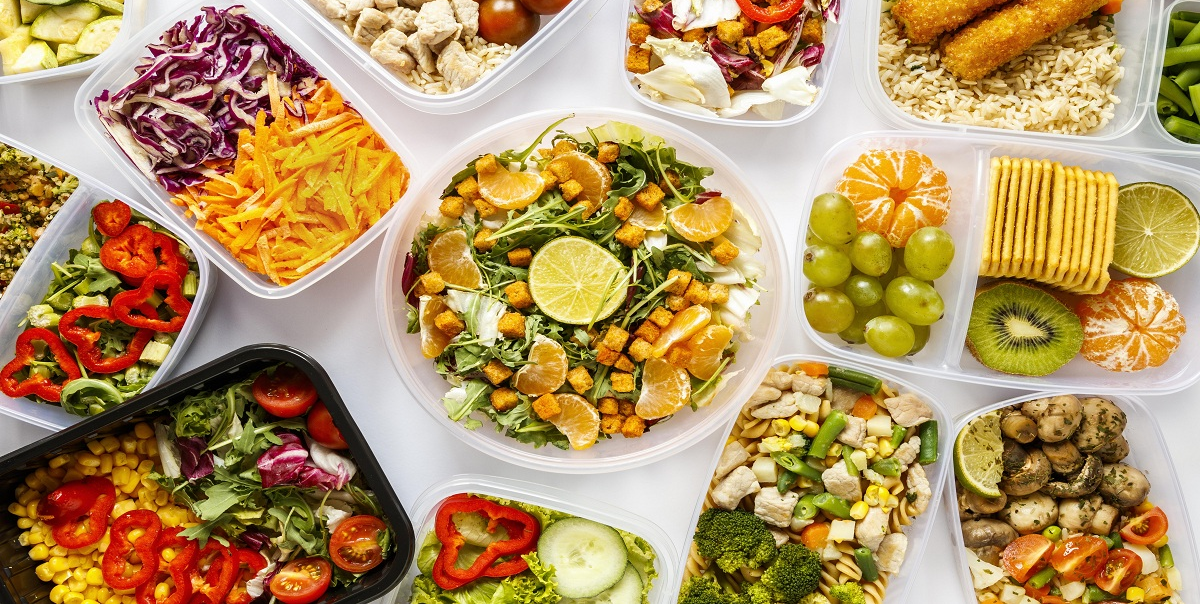

Healthy eating is an important part of supporting energy, wellness, and overall quality of life. A healthy diet does not mean giving up all your favorite foods or following strict rules. Instead, it is about creating balanced eating habits that provide your body with the nutrients it needs while still allowing you to enjoy delicious and satisfying meals.
From fresh fruits and vegetables to whole grains, protein-rich foods, and healthy fats, a variety of nutritious ingredients can support a balanced lifestyle. With the right approach, healthy eating can become simple, enjoyable, and practical for everyday life.
What Does Healthy Eating Mean?
Healthy eating means choosing a variety of foods that provide important nutrients such as vitamins, minerals, protein, fiber, and healthy fats.
A balanced eating pattern usually includes:
- Fruits and vegetables
- Whole grains
- Protein-rich foods
- Healthy fats
- Dairy or suitable alternatives
- Plenty of water
The goal is not to make every meal perfect. Instead, focus on making nutritious choices regularly and creating habits that you can maintain over time.
Why a Balanced Diet Matters

Food provides the energy and nutrients your body needs for daily activities. A balanced diet can support normal body functions and help you feel more energized throughout the day.
Eating a variety of nutritious foods also makes meals more interesting and helps ensure that you receive different nutrients from different food sources.
A healthy eating pattern can be part of an overall lifestyle that includes regular physical activity, good sleep, stress management, and other healthy habits.
Add More Fruits and Vegetables
Fruits and vegetables are important parts of a balanced diet. They provide vitamins, minerals, fiber, and other beneficial nutrients.
Try to include a variety of colors in your meals. Different fruits and vegetables provide different nutrients, so variety is helpful.
You can add vegetables to soups, salads, sandwiches, rice dishes, pasta, and stir-fries. Fruits can be enjoyed as snacks, added to breakfast, or included in smoothies and desserts.
Fresh, frozen, and canned options can all be part of a healthy eating pattern. When choosing canned products, checking the label for added sugar or excess sodium may be helpful.
Choose Whole Grains
Whole grains contain more of the natural grain than refined grains and can be a useful source of fiber and nutrients.
Examples include oats, brown rice, whole-grain bread, quinoa, barley, and whole-wheat pasta.
Replacing some refined grain products with whole-grain options can be a simple way to add more variety and fiber to your meals.
Include Quality Protein Sources

Protein is an important part of a balanced diet and can be found in both animal and plant-based foods.
Common protein sources include:
- Eggs
- Fish
- Chicken
- Lean meats
- Beans
- Lentils
- Peas
- Tofu
- Nuts and seeds
- Yogurt
Including different protein sources throughout the week can help create a varied and balanced diet.
Choose Healthy Fats
Fats are an important part of nutrition, but the type and amount matter. Foods such as avocados, nuts, seeds, olive oil, and certain types of fish provide beneficial fats.
Healthy fats can be included in meals through salad dressings, cooking oils, nuts, seeds, and other nutritious ingredients.
As with all foods, balance and portion awareness are important.
Drink Enough Water

Water is essential for everyday health. Staying hydrated supports many normal body functions.
Make water your primary drink when possible. Individual hydration needs can vary depending on factors such as activity level, weather, and personal circumstances.
Herbal teas and water-rich foods can also contribute to daily fluid intake.
Easy Healthy Breakfast Ideas
Breakfast can be a simple way to begin the day with nutritious foods. A balanced breakfast may include protein, fiber, and a source of energy.
Some easy ideas include:
- Oatmeal with fruit and nuts
- Yogurt with berries and seeds
- Whole-grain toast with eggs
- A fruit and vegetable smoothie
- Fresh fruit with cottage cheese or yogurt
The best breakfast is one that fits your preferences and daily routine.
Nutritious Lunch Ideas

A healthy lunch does not need to be complicated. Combining vegetables, protein, and a source of whole grains can create a satisfying meal.
Try options such as:
- Grilled chicken and vegetable salad
- Lentil and vegetable soup
- Whole-grain wrap with vegetables and protein
- Brown rice with beans and vegetables
- Tuna or egg salad with whole-grain bread
Preparing lunch at home can also make it easier to control ingredients and portions.
Simple Healthy Dinner Ideas
Dinner can include a variety of nutritious foods. A simple meal structure might include vegetables, a protein source, and a whole-grain or other carbohydrate option.
Some ideas include:
- Baked fish with vegetables and brown rice
- Chicken and vegetable stir-fry
- Lentil curry with vegetables
- Grilled chicken with roasted vegetables
- Bean and vegetable bowls
- Whole-grain pasta with vegetables and lean protein
Using herbs, spices, garlic, lemon, and other flavorful ingredients can make healthy meals enjoyable without relying heavily on added salt or rich sauces.
Healthy Snack Ideas

Snacks can help satisfy hunger between meals. Choose options that provide nutrients and fit your daily needs.
Healthy snack ideas include:
- Fresh fruit
- Nuts and seeds
- Yogurt
- Vegetable sticks with hummus
- Whole-grain crackers
- Boiled eggs
- Homemade trail mix
Planning snacks in advance can make it easier to choose nutritious options when hunger appears.
Practice Balanced Portion Awareness
Healthy eating is not only about which foods you choose. Portions also matter.
Eating slowly and paying attention to hunger and fullness can help you understand your body’s needs. Using a variety of foods in reasonable portions can support a balanced eating pattern.
You do not need to measure every food or follow strict rules. Focus on balance, variety, and consistency.
Enjoy Your Favorite Foods in Moderation
Healthy eating does not mean avoiding all treats or favorite foods. Enjoying foods you love can be part of a balanced lifestyle.
The key is to focus on overall eating habits rather than judging individual meals. One meal or snack does not determine your entire diet.
A flexible approach can make healthy eating easier to maintain over the long term.
Plan Meals in Advance
Meal planning can save time and make healthy eating more convenient. Start by planning a few meals for the week and creating a shopping list.
Prepare some ingredients in advance, such as washed vegetables, cooked grains, or protein sources. This can make it easier to prepare meals when you are busy.
Keeping healthy ingredients available at home can also reduce the temptation to rely on less nutritious convenience foods.
Read Food Labels
Food labels can provide useful information about ingredients and nutrients. Pay attention to serving sizes, added sugars, sodium, protein, fiber, and other nutritional information.
The ingredient list can also help you understand what a product contains.
Instead of focusing on a single number, consider the overall nutritional value of the food and how it fits into your diet.
Make Healthy Eating Sustainable

The best eating plan is one that you can maintain. Extremely restrictive diets may be difficult to follow for a long time.
Focus on gradual improvements. Add more vegetables, drink more water, try new nutritious recipes, and make small changes that fit your lifestyle.
Healthy eating should support your life rather than make every meal stressful.
Final Thoughts
Healthy eating is about balance, variety, and consistency. A nutritious diet can include fresh fruits and vegetables, whole grains, protein-rich foods, healthy fats, and plenty of water.
You do not need to follow a perfect diet to make positive choices. Simple changes, such as cooking more meals at home, adding more vegetables, choosing nutritious snacks, and planning meals in advance, can make healthy eating easier.
The most successful approach is one that is enjoyable, flexible, and realistic for your lifestyle. By choosing a variety of nutritious foods and enjoying meals mindfully, you can create healthy eating habits that support your everyday wellness for the long term.
FAQ’s
1. What is healthy eating?
Healthy eating means choosing a variety of nutritious foods, including fruits, vegetables, whole grains, protein, healthy fats, and water.
2. What foods should be included in a balanced diet?
A balanced diet can include vegetables, fruits, whole grains, lean proteins, beans, nuts, seeds, and healthy fats.
3. What are some easy healthy meal ideas?
Oatmeal, salads, vegetable soups, grilled protein with vegetables, whole-grain bowls, and healthy stir-fries are simple options.
4. Can I enjoy my favorite foods while eating healthy?
Yes. Favorite foods can be enjoyed in moderation as part of a balanced and flexible eating pattern.
5. How can I make healthy eating easier?
Plan meals, keep nutritious ingredients available, prepare food in advance, and make small sustainable changes over time.



Leave a Reply