

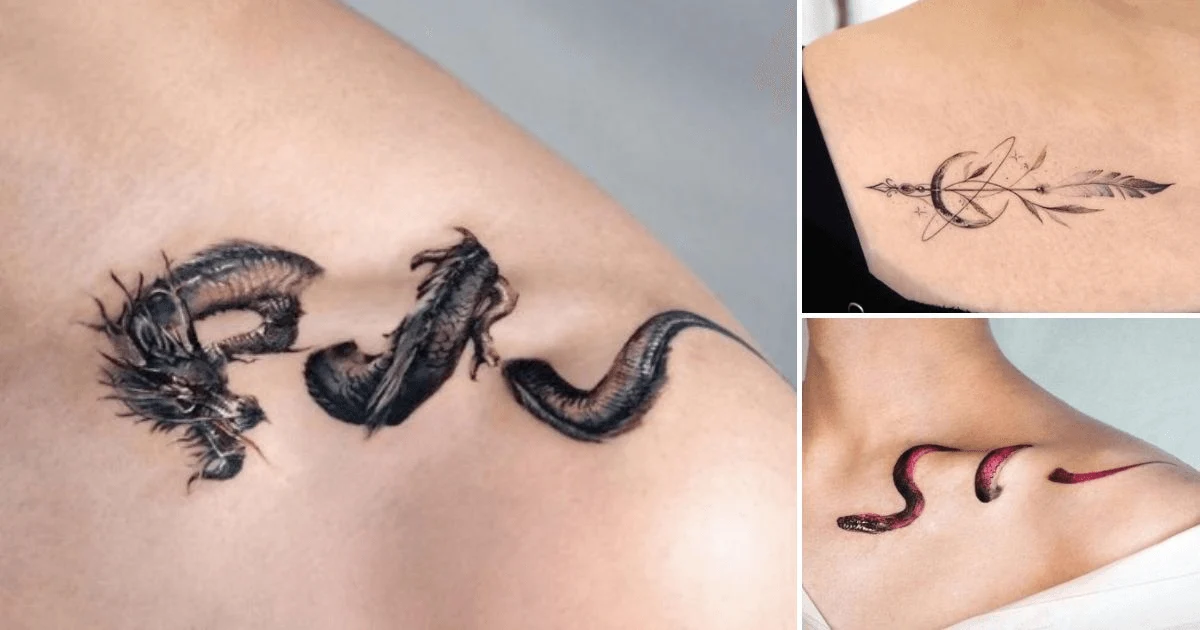

Look, getting inked is a massive deal. Whether it’s your very first needle drop or you’re already filling up your second sleeve, standing in front of a mirror wondering “What on earth should I actually get?” is an absolute rite of passage.
Scroll through Pinterest or Instagram for ten minutes, and you’ll find thousands of gorgeous designs. But there’s a huge difference between loving a photo on a screen and wearing that artwork on your skin for the next fifty years.
By 2026, tattoo culture has completely shifted away from rigid, cookie-cutter catalog designs. People want ink that tells a personal story, matches their natural anatomy, and ages gracefully over time. From whisper-thin fine-line pieces to bold, heavy-ink traditional tattoos, the options can feel overwhelming.
Here is a practical, down-to-earth guide to tattoo trends, placement truths, pain realities, and finding an artist who won’t turn your idea into a permanent regret.
Quick Vibe Check: Popular Styles at a Glance
Before booking a consultation, it helps to know the actual name of the style you’re drawn to. Tattoo artists specialize, so showing up to a fine-line expert asking for heavy blackwork is a recipe for disappointment.
| Tattoo Style | What It Looks Like | Ideal For | The Real-World Truth |
| Fine-Line | Delicate, micro-thin lines created with single needles | Small floral pieces, subtle script, dainty symbols | Looks breathtaking fresh; needs a master hand so lines don’t blur as ink spreads over time |
| Minimalist | Clean, uncluttered, simple silhouettes with zero shading | First-timers, hidden wrist/ankle spots, tiny reminders | Less time in the chair, but tiny mistakes are impossible to hide |
| American Traditional | Heavy black outlines, saturated primary colors, iconic themes | Anchors, daggers, roses, eagles, classic panthers | Ages like fine wine; bold lines hold up better than almost any other style |
| Blackwork | Dense, solid black ink fills mixed with negative space | Geometric sleeves, tribal revivals, dramatic coverage | Takes high pain tolerance and commitment; requires deep, even saturation |
| Realism | Photorealistic portraits, animals, or objects with soft shading | Pet tributes, family portraits, film/nature art | Extremely time-consuming, expensive, and requires a high-tier specialized artist |
| Micro-Realism | Teeny-tiny, ultra-detailed miniature paintings on skin | Compact portraits, tiny wildlife, detailed objects | Looks mind-blowing on camera; can blur together into a smudge if done too small |
| Illustrative / Botanical | Hand-drawn art style resembling sketchbook or watercolor art | Wildflowers, animals, celestial motifs, mythology | Softly contours the body; offers total creative freedom for customization |
10 Popular Tattoo Concepts Worth Considering

1. Fine-Line & Whisper-Thin Botanicals
Delicate floral designs are still holding strong, but the approach has evolved. People are opting for local wildflowers, birth-month blooms, or specific herbs (like lavender, rosemary, or sage) rendered in single-needle fine lines. They wrap gracefully around forearms, wrists, and collarbones like natural jewelry.
2. Meaningful Script & Handwritten Lettering
Skip the generic cursive fonts off computer generator sites. The most sentimental lettering tattoos use actual handwriting sourced from family members—a phrase from a late grandmother’s birthday card, a dad’s signature, or a scribble from a partner.
Pro Tip: Always double, triple, and quadruple-check spelling before the stencil hits your skin. Once the ink is in, spellcheck won’t save you!
┌─────────────────────────────────────────────────────────────────────────┐│ LETTERING PRE-INK CHECKLIST ││ ││ 1. Read it BACKWARDS letter by letter to spot accidental typos. ││ 2. Check spacing between words (prevent "crowded script" syndrome). ││ 3. Print the size out on paper and tape it to your body for a day. │└─────────────────────────────────────────────────────────────────────────┘
3. Nature-Inspired Landscapes & Waves
Mountains, ocean waves, pine trees, and sunrises remain timeless because they ground us. Whether it’s a tiny minimalist wave behind your ear to remember an epic surf trip or a micro-landscape framed inside a geometric diamond on your inner arm, nature art rarely goes out of style.
4. Pet & Wildlife Tributes

Our pets are family, plain and simple. Line-art outlines of a dog’s floppy ears, custom realistic portraits of a beloved cat, or subtle paw prints are incredible ways to carry your fur baby with you everywhere.
5. Micro Tattoos & Hidden Ink
Not everyone wants a full sleeve that demands attention. Micro tattoos—tiny stars behind the ear, a discreet moon on the inner finger, or a small initial on the ribcage—are perfect for low-profile vibes or professional environments where you might want to keep your ink private.
6. Celestial & Astrology Motifs
Moons, suns, constellations, and starbursts offer a magical, organic feel. They work exceptionally well as “filler” pieces if you’re building a patchwork arm sleeve, bridging the gaps between larger designs effortlessly.
7. Bold American Traditional (Old School)

There’s an old tattoo industry saying: “Bold holds.” American Traditional designs use thick, crisp black outlines and rich, solid color fills. Because the ink is deposited deeply and framed by dark outlines, these tattoos resist fading and blowing out better than almost anything else on the market.
8. Geometric & Mandala Linework
Sacred geometry, symmetrical mandalas, and intricate line patterns appeal to anyone who loves structure and balance. These pieces flow naturally with the body’s curves, making them popular for shoulders, knees, sternums, and backs.
9. Abstract & Cyber-Sigilism
For those who prefer edgy, modern art over traditional imagery, abstract chrome-effect line art and cyber-sigilism are hugely popular. These designs feature sharp, sweeping, spiky lines that look futuristic and dark.
10. Meaningful Coordinates & Milestones
Got a spot on the planet that completely changed your life? Latitude and longitude coordinates of a hometown, a wedding venue, or a favorite travel destination rendered in clean typography make for a deeply personal conversation starter.
The Real Talk on Pain & Placement

Let’s not sugarcoat it: getting stabbed repeatedly with tiny needles thousands of times a minute hurts. But the intensity of that hurt varies wildly depending on where you put the stencil.
As a general rule, anywhere with thick skin, muscular padding, or fat stores is totally manageable. Anywhere with thin skin, high nerve density, or bare bone right beneath the surface is going to make you squeeze the armrests.
┌─────────────────────────────────────────────────────────────────────────┐│ TATTOO PAIN SPECTRUM ││ ││ [ EASY CHILL ] ───────────────► [ SPICY ] ───────────────► [ BRUTAL ] ││ Outer Arm/Bicep Calves / Thighs Ribs / Sternum││ Forearm Shoulder Blades Spine / Neck ││ Outer Thigh Top of Foot Elbows / Knees│└─────────────────────────────────────────────────────────────────────────┘
| Body Placement | Pain Level (1–10) | Visibility Factor | Aging & Longevity |
| Forearm / Outer Bicep | 3/10 (Beginner Friendly) | Easy to show or hide | Fantastic; holds detail well with low sun exposure |
| Outer Thigh / Calf | 4/10 (Very Manageable) | High in summer, hidden in winter | Great canvas size; skin stays relatively tight over time |
| Collarbone / Shoulder | 6/10 (Spicy On The Bone) | Elegant & easily shown | Holds fine details well; watch out for summer sun exposure |
| Ribcage / Sternum | 8.5/10 (Prepare Yourself) | Totally private / hidden | High friction area; sensitive during healing process |
| Fingers / Hands | 7/10 (Quick But Sharp) | Extremely visible | Fades rapidly due to constant handwashing and skin shedding |
| Ankles / Feet | 7.5/10 (Vibrates The Bone) | Low-key & versatile | Socks and shoes cause friction rub; requires careful healing |
Where to Spend Money vs. Where to Save
A tattoo is a permanent piece of art on your living body. This is literally the worst place in life to hunt for bargain basement prices!
| Invest Your Cash Here… | Save Your Cash Here… |
| Custom Artist Consultations: Pay for an artist who creates original art from scratch rather than ripping off someone else’s work online. | Design Size (If on a budget): Scale the design down slightly or break a massive piece into two separate sessions to spread out the cost. |
| High-Quality Aftercare: Premium unscented antibacterial soaps and specialized tattoo balms accelerate healing and keep colors vibrant. | Flash Sales & Events: Keep an eye out for reputable artists hosting “Flash Days” where they tattoo pre-drawn original flash designs for discounted flat rates. |
| Sterile, Licensed Studios: Never compromise on hygiene. Ensure your artist opens fresh needle cartridges in front of you. | Placement Choice: Choosing a flat, easy-to-access area (like an outer arm) often takes less time than complex curved areas (like ribs or necks), saving hourly costs. |
How to Pick an Artist Without Regretting It Later
Don’t just walk into the nearest street shop and take whoever is sitting on the couch waiting for walk-ins. Do your research!
- Look at HEALED Work: Anyone can take a glossy photo of a fresh tattoo under ring lights with heavy filters. Look through an artist’s portfolio for photos of tattoos that are at least six months to a year old. That shows you how their work actually holds up over time.
- Check Line Consistency: Zoom in on their portfolio photos. Are the lines straight, smooth, and solid? Or are they shaky, wiggly, and uneven?
- Evaluate Studio Cleanliness: A good shop should smell like a medical clinic, not a dusty lounge. Needles must be single-use and disposable, ink cups discarded after every client, and chairs wrapped in protective plastic film.
- Listen to Their Advice: If an artist tells you “Hey, if we do that script that tiny, it’s going to turn into a black blob in three years,” LISTEN TO THEM! A good artist cares more about how your tattoo ages than pleasing your immediate impulse.
The “Day-Of” Survival Guide

Show up prepared, and your session will go a hundred times smoother:
- Eat a Real Meal: Eat a heavy, carb-rich meal about an hour before your session. Tattooing drops your blood sugar rapidly, which is the main cause of dizziness and fainting.
- Hydrate Like Crazy: Drink plenty of water the day before. Hydrated skin takes ink exponentially better than dry, flaky skin.
- Dress comfortably: Wear loose clothing that gives easy access to the tattoo area without bunching up or rubbing fresh ink. (Wearing black clothing is always a safe bet in case stray ink splashes!)
- Bring Snacks & Entertainment: Bring a sugary drink (like juice or Gatorade), a snack, headphones, and a fully charged phone to distract yourself during long sessions.
Essential Tattoo Aftercare 101
You can pay $1,000 for an incredible tattoo, but if you butcher the healing process, it will still turn out terrible. Think of a fresh tattoo as an open wound that needs to be babied.
- Keep It Clean: Wash gently twice a day using warm water and fragrance-free antibacterial soap. Pat dry with a fresh paper towel—never rub with a bath towel that harbors bacteria.
- Don’t Over-Moisturize: Apply a razor-thin layer of unscented lotion or tattoo balm. Smothering the tattoo in thick ointment starves the skin of oxygen and can pull ink out.
- NO Picking or Scratching: As the skin heals, it will flake and itch like crazy. Do not pick the scabs! Pulling a scab off prematurely takes the pigment straight out with it, leaving blank spots.
- Avoid Submerging in Water: No baths, hot tubs, swimming pools, or ocean dips for at least 2 to 3 weeks until the skin is fully closed.
Frequently Asked Questions
1. How much should I expect to pay for a good tattoo?
Pricing varies wildly based on location, artist experience, and shop minimums. Expect to pay a shop minimum of $80–$150 just for sitting in the chair. Hourly rates for established artists usually range between $150 to $300+ per hour. Custom large-scale pieces can easily cost anywhere from $500 to several thousand dollars.
2. Can I get a tattoo over scars or stretch marks?
Yes, but the tissue must be fully healed (usually flat and white/silver, not red or purple). Scar tissue takes ink differently than normal skin, so it’s essential to find an artist experienced specifically in scar cover-ups.
3. Will my fine-line tattoo fade away completely?
Fine-line tattoos won’t disappear entirely, but because they use less ink deposited shallower in the skin, they naturally soften and fade faster than bold traditional tattoos. Expect to get touch-ups every few years to keep those whisper-thin lines crisp.
4. Is it okay to take pain relievers before my appointment?
Avoid blood-thinning painkillers like Aspirin or Ibuprofen right before a session, as they cause excessive bleeding during the tattoo process, making it harder for the ink to settle. Ask your artist directly before using any numbing creams or taking medications.




Leave a Reply