

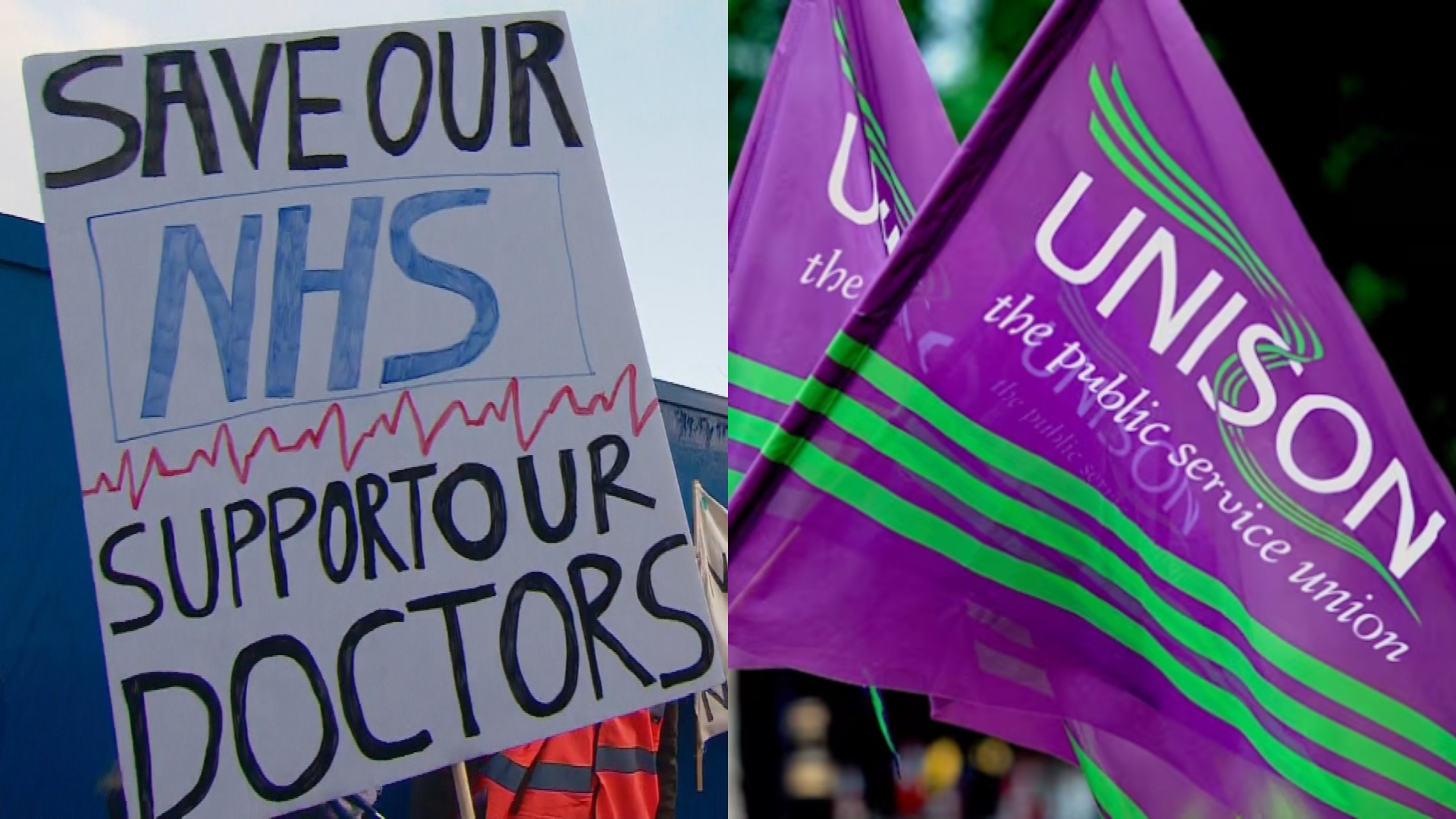

If you’ve opened the news recently, you’ve probably seen two completely different healthcare headlines clashing on your feed: one about resident doctors protesting in Maharashtra over medical cross-practice, and another about hundreds of NHS staff walking off the job in Greater Manchester.
When healthcare systems fracture, it’s rarely just about figures on a spreadsheet—it’s about tired human beings reaching a breaking point, and worried patients stuck in the middle. Here is an honest, human breakdown of what is happening on the ground in Greater Manchester, how it compares to international medical disputes, and what it actually means for your healthcare.
What’s Happening in Greater Manchester?

If you thought the NHS strike headlines had quieted down, August has proved otherwise. Across four major hospitals under the Northern Care Alliance (NCA) Foundation Trust, over 350 essential operating theatre staff—including nurses, clinical support workers, and housekeepers—are walking out.
This isn’t a strike over a giant pay raise; it’s over unpaid, agreed-upon overtime. Staff covering extreme shortages were promised time-and-a-half pay managed via an external agency (NHS Professionals). Instead, many realized they were being paid less than standard shift rates—losing over £80 every single time they stepped in to save a short-staffed shift. To make matters worse, a resolution offer tabled by bosses was suddenly yanked off the table before unions could even negotiate.
At a Glance: Greater Manchester NHS Strikes
| Key Detail | What’s Real on the Ground |
| Strike Dates | Monday 24, Wednesday 26, and Friday 28 August |
| Hospitals Impacted | Salford Royal, Royal Oldham, Rochdale Infirmary, & Fairfield Hospital (Bury) |
| Who is Walking Out? | ~350 Operating Theatre Staff (Nurses, Support Staff, Housekeepers) |
| The Core Issue | Unpaid/underpaid overtime shifts through agency management (NHSP) |
| Unified Action Day | Wednesday, August 26 – Mass joint picket gathering at Salford Royal |
A Global Pattern: Manchester vs. Maharashtra

It’s easy to feel like local healthcare issues are isolated, but healthcare workers everywhere are pushing back against systemic stress. Look at how two current, high-profile medical protests compare:
GREATER MANCHESTER (UK) MAHARASHTRA (INDIA)
———————– ——————-
• Who: Theatre Staff & Support • Who: Resident Doctors (MARD)
• Cause: Contract breaches & unpaid • Cause: Opposing homeopathic doctors
overtime wages prescribing modern medicine
• Impact: Postponed elective surgeries • Impact: 2-day shutdown of OPDs
& delayed routine operations & non-emergency surgeries
• Status: Ongoing active walkouts • Status: Resolved via High Court;
doctors back at work
While Maharashtra’s dispute revolved around medical qualifications and patient safety policies, Manchester’s battle is a straightforward story of basic workplace fairness: If you ask someone to work extra hours to keep an operating room running, you have to pay them properly.
What This Means if You Need Care

If you or a loved one are scheduled for care at Salford Royal, Oldham, Rochdale, or Fairfield, here is the realistic, zero-panic advice you need right now:
- Don’t skip emergency care: A&E departments and life-threatening emergency operations remain prioritized. If you are having a genuine medical emergency, go to the hospital.
- Wait for the call on routine procedures: Elective surgeries (like knee replacements or routine day procedures) are facing heavy postponements because operating theatres require full support teams to run safely. The hospital will contact you directly if your slot needs to be moved. If you haven’t heard from them, show up as planned.
- Use alternative services for minor ailments: For non-emergencies, lean heavily on NHS 111 online, local pharmacies, or your GP to avoid adding pressure to hospital triage.
At the end of the day, nobody wants to stand on a cold picket line, and no patient wants their surgery delayed. Until hospital trust leaders sit back down at the table and pay their staff fairly, the people who keep our operating rooms running are making sure their voices are finally heard.
The Reality Inside Hospital Walls During Strike Days

When over 350 theatre workers walk out on strike days, the impact on daily operations is immediate and severe. Operating theatres require a finely tuned, highly specialized team: you cannot safely run a surgical suite without scrub nurses, sterile support teams, and recovery staff.
- Why a Critical Incident Was Declared: Trust leaders at the Northern Care Alliance NHS Foundation Trust declared a formal Critical Incident across Salford Royal Hospital, Royal Oldham Hospital, Fairfield General Hospital, and Rochdale Infirmary. This emergency measure allows the trust to pull in emergency support and divert clinical focus exclusively to life-saving and urgent trauma cases.
- The Backlog Dilemma: For every day of industrial action, hundreds of elective procedures—such as hip replacements, gallbladder removals, and cataract surgeries—must be rescheduled. This compounds existing regional waiting lists, placing immense emotional stress on patients who may have waited months for their planned surgery date.
- Safety Concerns: Regional union organizers from UNISON North West point out that strategic understaffing and burnout already pose a threat to patient safety on non-strike days. Fixing pay structures is framed by workers not as a luxury, but as a vital step toward retaining experienced staff and keeping operating rooms safe year-round.
How Other Nations Handle Health Workforce Disputes

The tension between healthcare workers and governing bodies is far from unique to the UK. Earlier this month, a major dispute unfolded in India when the Maharashtra Association of Resident Doctors (MARD) led a statewide walkout. While the root cause differed—opposing a state government notification that permitted homeopathic (BHMS) doctors with a pharmacology certificate (CCMP) to prescribe modern allopathic medicines—the operational impact mirrored Manchester’s current challenge.
UK (GREATER MANCHESTER) INDIA (MAHARASHTRA)
┌───────────────────────────────────┐ ┌───────────────────────────────────┐
│ Focus: Contractual Fairness │ │ Focus: Professional Scope │
│ Issue: Overtime pay cuts via NHSP │ │ Issue: Cross-practice rights │
│ Duration: 3 targeted days │ │ Duration: 2-day indefinite action │
│ Mechanism: Critical incident │ │ Mechanism: High Court intervention│
└───────────────────────────────────┘ └───────────────────────────────────┘
The key difference lies in how these disputes reach resolution:
- Judicial Intervention vs. Collective Bargaining: In India, the Bombay High Court stepped in via suo motu cognizance, ordering resident doctors back to work immediately while taking the legal debate over qualification standards into judicial review.
- Local Trust Negotiations in the UK: In Greater Manchester, the resolution rests entirely on local workplace bargaining. UNISON representatives have stated that staff are ready to talk, but trust management must return to the table with a binding, reliable agreement on overtime pay before the disruption can end.
- Hair Spa Treatment Benefits: Is It Good for Hair Growth?
- OnePlus ColorOS 17: Everything You Need to Know About the Latest Update
- Easy Breakfast Recipes to Make Your Mornings Delicious
- How to Gain Weight Naturally: A Healthy Diet Plan for Beginners
- How to Visit All 12 Jyotirlinga Travel Guide: Complete Travel Guide
FAQs
1. When are the NHS strikes in Greater Manchester in 2026?
The planned strike dates are Monday 24 August, Wednesday 26 August, and Friday 28 August 2026. More than 350 Northern Care Alliance staff are expected to take part.
2. Which hospitals are affected by the Greater Manchester NHS strikes?
The industrial action involves staff at Salford Royal Hospital, Royal Oldham Hospital, Rochdale Infirmary, and Fairfield General Hospital in Bury.
3. Which NHS staff are taking part in the strikes?
The action involves Northern Care Alliance employees including nurses, clinical support workers, housekeepers, and other operating-theatre staff represented by UNISON.
4. Why are NHS staff striking in Greater Manchester?
The dispute centres on overtime payments. UNISON says some staff covering shortages have not received the time-and-a-half rate they are entitled to, with some reportedly losing more than £80 per shift.
5. Will NHS services be affected by the strikes?
Some disruption to planned services may occur. The Northern Care Alliance says it is preparing to minimise disruption while prioritising urgent, emergency and other time-critical care.




Leave a Reply