

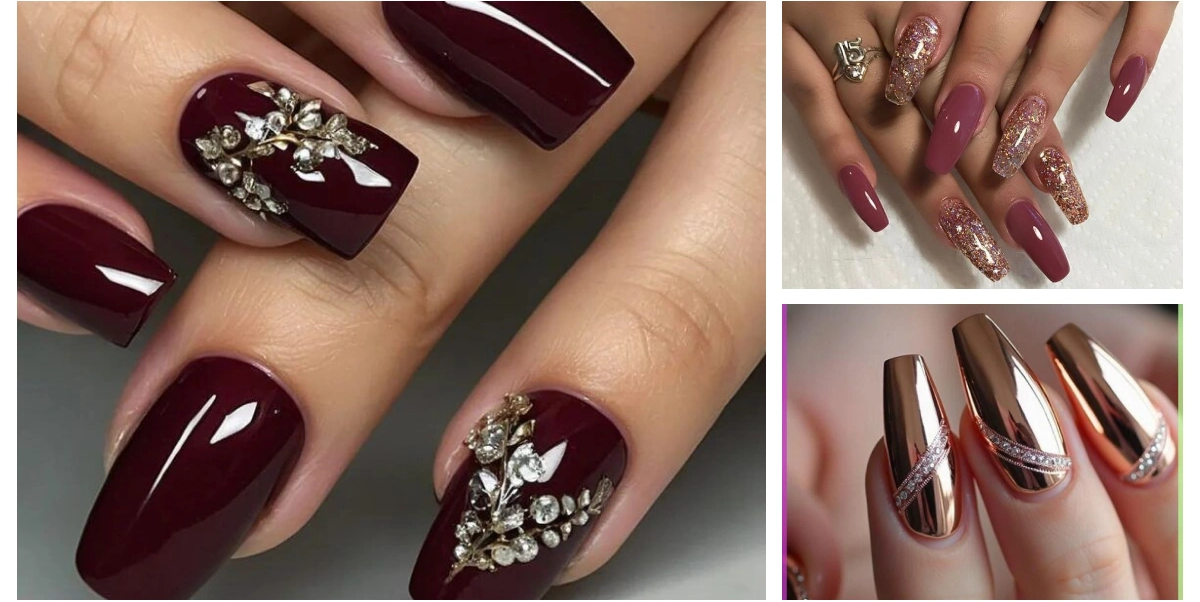

For millions of people, a regular salon visit isn’t just maintenance—it is a small, glorious piece of self-care. There is an unmistakable dopamine hit that comes with sitting under the soft buzz of a salon, choosing a fresh shade, and walking out with a high-shine, chip-proof finish. Watching your freshly painted nails glance off a keyboard, a steering wheel, or a coffee mug is a subtle aesthetic joy.
However, recent news out of Europe and Great Britain has given beauty lovers a pause. Headlines declaring a “gel nail polish ban” sent a sudden wave of panic through the beauty community. While the manicure itself isn’t going anywhere, regulatory authorities have officially pulled the plug on a chemical ingredient found in many UV and LED-cured products: Trimethylbenzoyl Diphenylphosphine Oxide, commonly known as TPO.
With the European Union banning TPO in September 2025 and the United Kingdom enforcing its own restrictions starting August 2026, the international beauty industry is undergoing a massive shift. It also opens up an urgent conversation for consumers in countries like India, where daily hand habits—from kneading dough to eating with our fingers—make product safety a deeply personal topic.
What Is TPO, and Why Was It Banned?

To understand the ban, it helps to know how gel nail polish works. Unlike classic nail polish, which dries naturally as its solvents evaporate into the air, gel polish doesn’t “dry”—it cures.
Gel formulas stay liquid until they are exposed to ultraviolet (UV) or light-emitting diode (LED) radiation. TPO serves as a photoinitiator. When light hits the gel, TPO absorbs that energy, triggers a chemical reaction, and hardens the liquid into a rock-solid, glossy resin within seconds.
[ Liquid Gel Polish ] + [ UV/LED Light ] ---> ( TPO Activated ) ---> [ Hard, Durable Resin ]
The reason behind the prohibition comes down to a chemical reclassification. Regulatory bodies categorized TPO as a Category 1B Reproductive Toxicant (CMR). CMR stands for substances that are Carcinogenic, Mutagenic, or Toxic for Reproduction.
High-dose animal studies revealed links between TPO exposure and:
- Hormonal disruption and fertility issues
- Potential reproductive toxicity and birth defects
- Skin sensitization, leading to severe allergic contact dermatitis
Under European and UK cosmetic legislation, any chemical placed in the Category 1B CMR group is automatically banned from cosmetic products as a safety baseline, unless strict, explicit safety exemptions are granted.
Decoding the Regulatory Timeline
The transition away from TPO is happening in phases, giving the cosmetics supply chain time to reformulate without leaving salon shelves empty.
| Region | Effective Ban Date | Rule Details | Transition/Sell-Through End |
| European Union | September 1, 2025 | Complete ban on manufacture, sale, and distribution. | No sell-through grace period permitted. |
| United Kingdom | August 15, 2026 | Prohibition on placing new TPO-containing products on the market. | February 14, 2027 (Salons may use remaining existing stock). |
| US, Asia & Rest of World | Varies / Unrestricted | TPO remains widely permitted in many international markets. | Ongoing monitoring by regional safety boards. |
Understanding the Real-World Risk: Precaution vs. Panic

When words like “carcinogenic” or “infertility” enter a conversation about manicures, it is natural to feel alarmed. However, dermatologists and toxicologists emphasize looking at the distinction between hazard(what a chemical can do at extreme doses) and risk (what happens during a standard salon visit).
“The amount of TPO used in gel nail products is very small, so these risks cannot simply be applied to every person getting a gel manicure. The health risk associated with this substance will depend on factors such as the amount, frequency, duration, and way of exposure.”
— Dr. Sandeep Arora, Senior Consultant Dermatology, Apollo Spectra Hospital, Delhi
                 +-------------------------------------------------------+
                 |                     TOTAL RISK                        |
                 +-------------------------------------------------------+
                                             |
                   +-------------------------+-------------------------+
                   |                                                   |
        [ CHEMICAL EXPOSURE ]                               [ LIGHT EXPOSURE ]
        - TPO Concentration (<1-5%)                 - Repeated UVA Light
        - Uncured gel skin contact                    - Short duration per cure
        - Frequency of application                             - Cumulative lifetime visits
For a typical client, the amount of TPO present in a layer of gel polish is minimal. Because the product is applied to the hard nail plate—which is composed of dead keratin—the chemical is not easily absorbed into the bloodstream unless it consistently gets onto the surrounding skin.
The primary everyday concern for consumers and nail technicians isn’t immediate systemic toxicity, but skin sensitization. Repeated contact with uncured gel can cause the immune system to develop a permanent allergy, resulting in red, itchy, or peeling skin around the nail beds.
Why This Conversation Matters for India and Asian Markets

While Europe and the UK have formally updated their cosmetic regulations, TPO remains legal and widely used across North America, Asia, and India. But the way we live makes product safety standards an important local topic.
In India and many Asian cultures, hands are our primary eating utensils. We knead flour, mix cooked rice, handle warm curries, and peel fruit using our fingers.
- Physical Friction & Heat: Warm, oily, or acidic food can act as a natural solvent over time if nail coatings are chipped, worn, or poorly cured.
- Ingestion Hazards: Micro-particles of peeling polish or un-cured chemical residues can easily transfer into food during meal preparation or dining.
- Salon Worker Safety: Nail technicians spend 8 to 10 hours a day filing, curing, and handling these formulations. Their occupational exposure is vastly higher than that of a client visiting once a month.
Because imported gel brands flow freely into local markets, adopting a proactive approach to product awareness helps protect both consumers and beauty professionals.
Safe Manicure Practices: A Step-by-Step Guide
You don’t need to give up your manicures to stay safe. Following proper application habits drastically reduces your exposure to both chemical irritants and UV light.
Pre-Application & Curing Setup
Apply Broad-Spectrum Sunscreen: Apply SPF 30+ to your hands 20 minutes before your appointment, or wear fingerless UV-protection gloves to shield skin from lamp rays.
Check for Skin Integrity: Never apply gel products if you have open cuticles, hangnails, or broken skin around your nails.

- Confirm Lamp Compatibility: Ensure your salon uses the light lamp specifically engineered for the exact polish brand being applied. Incorrect light wavelengths lead to under-curing—leaving liquid chemicals trapped under the top layer.
Application & Maintenance
- Keep Gel Off the Skin: Ensure your technician leaves a tiny margin between the polish and your cuticle. Uncured polish touching the skin is the leading cause of allergic contact dermatitis.
- Never Pick or Peel: Scraping off gel tears away layers of your natural keratin plate, thinning the nail and making skin beneath more vulnerable to chemical absorption.
What Will Salons Use Instead?
The beauty of modern cosmetic chemistry is that safer alternatives already exist. Professional brands have spent years developing TPO-free formulations using alternative photoinitiators (such as TPO-L or Hydroxycyclohexyl Phenyl Ketone).
These alternatives offer the same durability, shine, and rapid cure times without carrying a Category 1B CMR classification.
TPO-free formulas are now available across all professional product categories:
- Standard Gel Polishes
- Builder Gels (BIAB – Builder in a Bottle)
- Hard Gels and Extension Overlays
- High-Shine Topcoats
A Holistic Approach to Nail Health

Polishes and gels look best when applied to healthy natural nails. Nourishing your body from the inside out keeps your nails strong enough to handle occasional manicures without tearing or thinning.
- Prioritize Nutrient-Dense Foods: Incorporate food rich in omega-3 fatty acids (flaxseeds, walnuts, fish), lean proteins, biotin, and iron into your diet to encourage thick nail plate growth.
- Hydrate Cuticles Daily: Apply jojoba oil or vitamin E oil to your cuticles every night. This keeps the nail flexible and prevents brittle cracking.
- Moisturize After Handwashing: Frequent handwashing and dishwashing strip moisture. Keep a hand cream nearby to replenish lost lipids.
- Give Nails a Breather: Consider taking a 1-week break between gel sets every few months to inspect your natural nails for discolorations or weakness.
Regulatory updates like the TPO ban aren’t meant to spoil our beauty routines—they are designed to make sure the products we love stay safe for long-term use. By staying informed, reading ingredient labels, and choosing reputable salons, you can keep enjoying that fresh-manicure feeling with complete peace of mind.
FAQs
1. Is gel nail polish officially banned now?
Not at all—your manicures are totally safe! The rule only targets one specific ingredient named TPO, which helps certain gels harden under light. Nail brands are simply swapping it out for safer alternatives, so you can still get the exact same shiny, chip-free nails without it.
2. What made regulators ban TPO?
High-dose animal tests linked TPO to potential hormone disruption and reproductive risks. On a daily level, direct skin contact with uncured gel containing TPO can also trigger painful skin allergies, redness, and itching around your cuticles.
3. Should I be worried if my current gel polish has TPO?
No need to stress. A standard manicure uses a tiny amount of product, and your natural nail plate acts as a solid barrier. This ban is mostly a precautionary measure, especially to protect salon workers who handle these chemicals all day long.
4. How do I know if my salon uses TPO-free polish?
You can ask your nail tech if their gel lines are TPO-free, or check the bottle’s ingredient list for Trimethylbenzoyl Diphenylphosphine Oxide. Most major beauty brands have already phased it out in favor of safer formulas.
5. What is the easiest way to keep my hands safe during a gel session?
Slather SPF 30+ on your hands or wear fingerless UV gloves before putting your hands under the lamp. Also, make sure your technician avoids getting uncured gel directly on your skin or cuticles to keep allergic reactions at bay.




Leave a Reply