

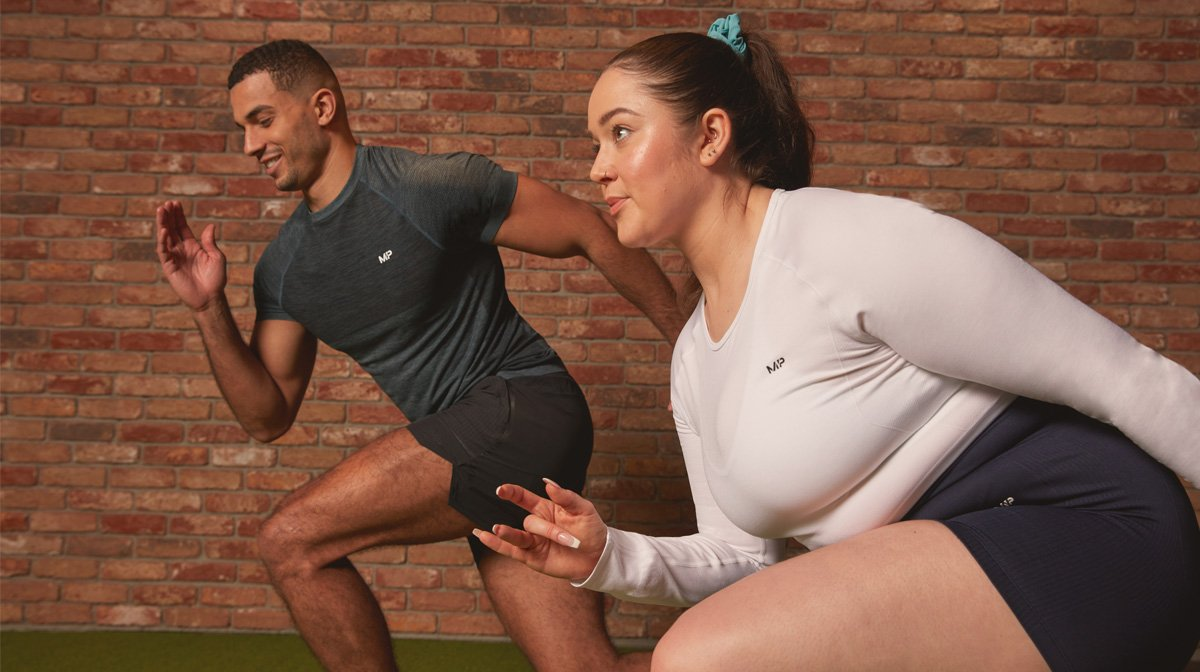

Finding time to exercise Micro-Workouts can feel surprisingly difficult. You may have every intention of working out Fitness Routines, but between work deadlines, long commutes, endless household chores, family commitments, and the sheer exhaustion at the end of the day, a dedicated one-hour gym session often gets pushed to “tomorrow.”
That is where micro-workouts can make a transformative difference in your daily health.
A micro-workout is a short, concentrated burst of physical activity lasting anywhere from 2 to 15 minutes. Instead of delaying exercise until you magically clear a massive block of free time, you fit bite-sized movement snacks into the natural gaps already present in your daily routine.
You might do a quick set of air squats while waiting for your morning coffee to brew, pace around the room during an audio call, knock out a few incline push-ups off your office desk between meetings, or sink into a deep five-minute hip stretch before bed. The core philosophy is straightforward: you don’t need a flawless training schedule or expensive gear to live an active, healthy life.
What Are Micro-Workouts?

Micro-workouts are short, purposeful exercise sessions engineered to add functional movement to your day without the logistical friction of a traditional gym routine. Unlike a standard 60-minute training session, you do not need dedicated athletic apparel, specialized resistance machines, a gym membership, or even time to shower afterward if you keep the intensity manageable.
Most micro-workouts rely on compound bodyweight movements—exercises that engage multiple joints and large muscle groups simultaneously. They can be executed seamlessly in a cramped studio apartment, a carpeted office cubicle, or a quiet corner of a public park.
The Science Behind Why Micro-Workouts Work
The primary benefit of micro-workouts lies in their ability to eliminate physical and psychological friction. When fitness feels like a monumental task requiring packing a gym bag, navigating traffic, and sweating for an hour, finding reasons to skip it becomes easy. A three-minute movement snack carries a near-zero barrier to entry.
Physiological Advantages
- Interruption of Sedentary Behavior: Prolonged sitting suppresses lipoprotein lipase, an enzyme critical for breaking down blood fats. Rising every 30 to 60 minutes for brief movement reactivates this enzyme, improving lipid panels and systemic insulin sensitivity.
- Glucose Regulation: Performing light bodyweight squats or calf raises for just two minutes after eating helps transport glucose out of the bloodstream and into skeletal muscle without requiring large spikes in insulin.
- Cognitive Sharpness: Short bursts of movement elevate blood flow to the brain, triggering the release of Brain-Derived Neurotrophic Factor (BDNF). This helps clear brain fog, sharpens problem-solving abilities, and boosts alertness during afternoon slumps.
Psychological Advantages

- Overcoming Intimidation: Committing to five minutes of movement feels mentally trivial. Once you overcome the initial inertia and start moving, momentum often takes over, making it far easier to stay active.
- Elimination of the “All-or-Nothing” Trap: Micro-workouts dismantle the toxic mindset that physical exercise only “counts” if it takes place in a gym while wearing activewear.
Core Movements for Maximum Efficiency
To make short sessions count, focus on fundamental movement patterns that recruit large muscle masses and build functional, real-world strength.
- Air Squats (Lower Body Push): Stand with feet shoulder-width apart, send your hips back, and lower your thighs parallel to the floor while keeping your chest upright. Drive through your mid-foot to stand. Targets: Quadriceps, Gluteus Maximus, Adductors.
- Push-Ups (Upper Body Push): Maintain a rigid plank position from head to heels, lower your chest until it hovers just above the floor, and push back up cleanly. Modifications: Incline push-ups against a wall, kitchen counter, or sturdy office desk reduce load while preserving core tension.
- Reverse Lunges (Unilateral Lower Body): Step backward with one leg, sinking your back knee toward the ground while maintaining stability on the front leg. Reverse lunges place less shear stress on the knee joint than forward lunges. Targets: Glutes, Hamstrings, Quadriceps, Core Balance.
- Glute Bridges (Posterior Chain Hinge): Lie on your back with knees bent at 90 degrees and feet flat on the floor. Drive through your heels to bridge your hips upward until your knees, hips, and shoulders form a straight line. Squeeze your glutes hard at the top. Targets: Gluteals, Hamstrings, Erector Spinae.
- Forearm Planks (Core & Scapular Stability): Hold a rigid, horizontal body position resting on your forearms and toes. Pull your belly button toward your spine, squeeze your glutes, and actively push the floor away through your elbows. Targets: Transverse Abdominis, Rectus Abdominis, Serratus Anterior.
- Seal Jacks or Low-Impact Step Jacks (Cardio & Mobility): A low-impact variation of the jumping jack where you step your feet side-to-side while swinging your arms wide to open up tight chest muscles. Targets: Cardiovascular System, Shoulder Mobility.
Sample Micro-Workout Routines
1. The 5-Minute Desk Decompress (Low-Sweat)

Designed specifically to be performed in work clothes without elevating body temperature to the point of sweating.
Perform each movement for 45 seconds, followed by 15 seconds of smooth transition.
Min 1: Chair Squats ──► Min 2: Desk Incline Push-Ups ──► Min 3: Alternating Reverse Lunges ──► Min 4: Standing Calf Raises ──► Min 5: Doorway Chest Opener
2. The 10-Minute Full-Body Strength & Conditioning Circuit
Perform each exercise for 40 seconds of controlled work, followed by 20 seconds of rest.
| Minute | Exercise | Focus Area | Technical Cue |
| 01 | Bodyweight Air Squats | Quads & Glutes | Keep knees tracking over second toes; don’t collapse inward. |
| 02 | Incline or Floor Push-ups | Chest, Shoulders, Triceps | Keep elbows tucked at a 45-degree angle relative to your torso. |
| 03 | Alternating Reverse Lunges | Hamstrings & Balance | Step back far enough so your front shin remains nearly vertical. |
| 04 | Floor Glute Bridges | Glutes & Lower Back | Pause for a full 2-second hold at the top of each repetition. |
| 05 | Slow Mountain Climbers | Core & Hip Flexors | Drive knees toward your chest under strict control; avoid bouncing. |
| 06 | Forearm Plank Hold | Full-Body Isometric Core | Keep your neck neutral by staring at your thumbs, not your feet. |
| 07 | Bodyweight Good Mornings | Posterior Chain Mobility | Hinge at the hips with hands behind head, keeping your spine flat. |
| 08 | Step Jacks or Light Jogging | Systemic Circulation | Breathe steadily in through your nose and out through your mouth. |
| 09 | Alternating Lateral Lunges | Inner Thighs & Adductors | Shift weight fully into the heel of the bending leg. |
| 10 | Deep Breathing & Overhead Reach | Recovery & Downregulation | Exhale longer than you inhale to trigger parasympathetic recovery. |
Fitting Micro-Workouts Into Real Life Through Habit-Stacking
Rather than trying to remember to exercise out of nowhere, anchor short physical tasks to established, automatic habits—a behavioral science principle known as habit stacking.
Everyday Habit-Stacking Examples
- The Coffee Brew Circuit: Knock out 15 bodyweight squats and 10 standing calf raises while waiting for your morning coffee or tea to brew.
- The Post-Bathroom Anchor: Do 10 wall push-ups or incline push-ups off the counter every time you finish washing your hands in the bathroom.
- The Commercial/Stream Pause: Instead of scrolling social media during video ad breaks or between episodes, perform a 40-second plank or holding wall-sit.
- The Phone Pace Protocol: Make it an unbroken personal rule that whenever you take an audio-only phone call, you must stand up and pace around your home or office space.
Micro-Workouts for Specific Goals

Depending on your overall health objectives, you can tailor short movement snacks to focus on specific physical adaptations:
- For Desk Workers Needing Postural Relief: Emphasize posterior chain movements like Glute Bridges, Prone Y-T-W raises on the floor, and Doorway Chest Stretches to undo the “forward-hunch” posture caused by staring at monitors.
- For Blood Sugar Management: Focus on lower-body movements like bodyweight squats or heel raises within 30 minutes after consuming a meal. The large muscle groups in your legs pull glucose out of circulation without straining your joints.
- For Mental Energy & Focus: Pick higher-tempo, low-complexity movements like jumping jacks, mountain climbers, or high-knee marching to rapidly raise your heart rate and surge oxygenated blood to the brain.
Common Pitfalls to Avoid
Even brief workouts require attention to detail to ensure safety, consistency, and long-term success.
- Treating Short Workouts Like Max-Effort Sprints: A micro-workout does not mean trying to destroy yourself in three minutes. Pushing to complete failure with poor technique defeats the purpose and increases injury risk. Keep 2–3 repetitions “in the tank.”
- Sacrificing Form for Repetition Speed: Moving quickly is never more important than executing exercises safely with controlled joint alignment. Maintain a stable core, neutral spine, and deliberate tempo.
- Expecting Miraculous Fat Loss in Isolation: While short bursts of movement burn calories and improve metabolic health, they are not a silver bullet for weight loss. Body composition is driven primarily by nutrition, sleep quality, and overall energy balance. View micro-workouts as a tool for health, strength, and mobility rather than a punishment for food consumed.
- Failing to Progress Over Time: To keep your body adapting, slowly increase the challenge over time. You can do this by adding 2–3 repetitions, slowing down the lowering phase of a movement, or shortening your rest periods between exercises.
Summary Checklist for Getting Started

To turn micro-workouts into an effortless, lifelong habit, follow this simple implementation framework:
The key insight is simple: stop treating physical exercise as an all-or-nothing proposition that only counts if it involves an hour of sweat in a dedicated facility.
Start small today. Pick one movement, anchor it to a routine you already do without thinking, and let the cumulative power of daily motion rebuild your health from the ground up.
FAQ’S
1. What are micro-workouts?
Micro-workouts are short exercise sessions, usually lasting a few minutes, designed to add physical activity to a busy daily routine.
2. Are 5-minute workouts effective?
Yes, five-minute workouts can be a useful way to increase daily movement and build consistency, especially when a longer workout isn’t possible.
3. Can I do micro-workouts at home?
Absolutely. Many micro-workouts use bodyweight exercises such as squats, push-ups, lunges, planks, and glute bridges, so no gym equipment is required.
4. How often should I do micro-workouts?
You can add short sessions throughout the day based on your schedule. Consistency is generally more important than making every session long or intense.
5. Can micro-workouts help with weight loss?
Micro-workouts can contribute to overall physical activity, but weight loss depends on several factors, including nutrition, activity levels, sleep, and individual health.




Leave a Reply