

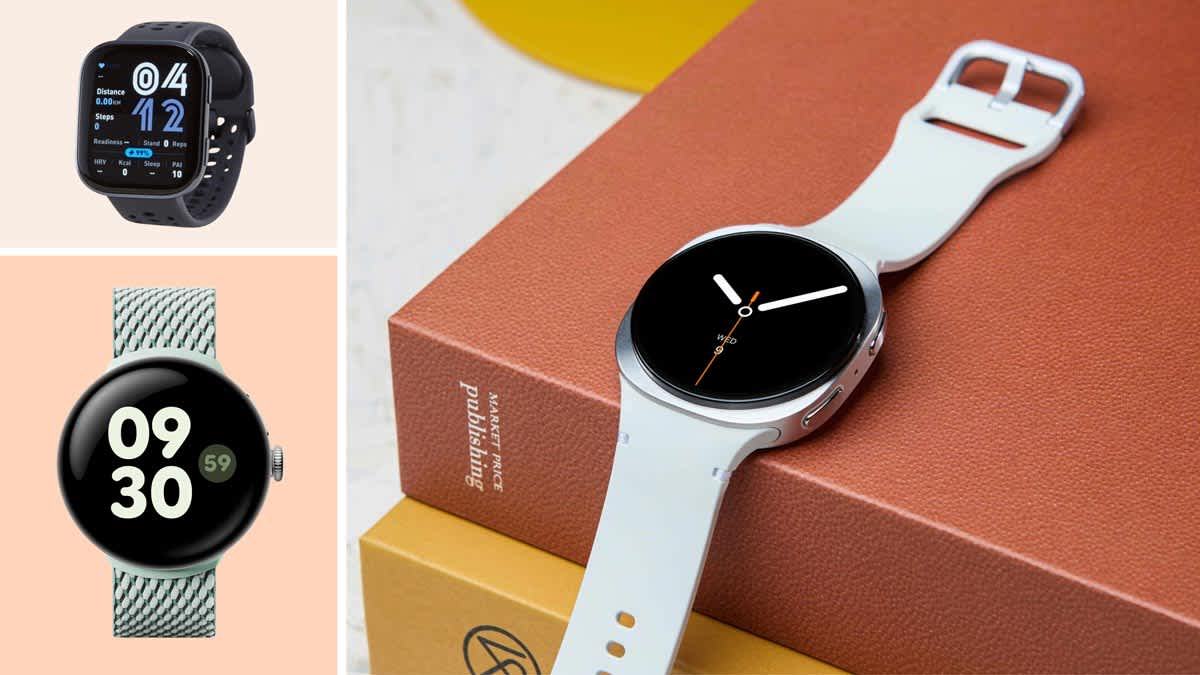

A smartwatch can be one of those gadgets you don’t think you need until you start using one.
At first, it seems like a simple thing. You wear it, check the time, maybe count your steps and that’s about it. Then you discover that you can read a message without taking your phone out, check how much you’ve walked today, track a workout, control music and sometimes even answer a phone call from your wrist.
And that’s when smartwatches become surprisingly useful.
The problem comes when you try to buy one.
There are so many models available in 2026 that shopping for a smartwatch can feel like comparing smartphones. One has a brighter screen, another has better battery life, another focuses on fitness, and another has a long list of health features.
So, how do you decide?
The easiest approach is not to ask which smartwatch has the most features. Instead, think about what you actually want the watch to do for you.
That one change in thinking can make the whole buying process much easier.
Think About Your Everyday Routine First

Before looking at brands and specifications, take a moment to think about a normal day.
Do you spend most of your time at work? Do you exercise in the morning? Are you someone who goes for evening walks? Do you travel frequently? Do you like keeping track of your sleep?
Or maybe you’re simply tired of checking your phone every few minutes.
Your answer matters because there is no universal “best smartwatch.”
A person who runs five days a week will probably look for something different from someone who wants a stylish watch for work and occasional fitness tracking.
For example, if you mainly want notifications and basic activity tracking, you don’t need to spend your entire budget on advanced sports features.
On the other hand, if you’re serious about outdoor workouts, GPS and fitness accuracy may be worth paying extra for.
Make Sure It Works With Your Phone
This should be one of the first things you check.
It’s easy to get distracted by a beautiful design or an impressive list of features. But none of that matters if the watch doesn’t work properly with your phone.
Different smartwatches offer different levels of compatibility with Android and iOS devices. Even when a watch connects successfully, certain features may be restricted depending on the phone you’re using.
So before buying, check the manufacturer’s compatibility information.
It takes a couple of minutes and can prevent a very annoying surprise after you’ve already spent your money.
Don’t Automatically Smartwatch Buy the Most Expensive Watch
There’s a strange habit in the technology world of assuming that expensive automatically means better.
It doesn’t always work that way.
A premium smartwatch may have better materials, a more advanced display, additional sensors and a more polished software experience. Those things can certainly be valuable.
But ask yourself whether you need them.
If your main requirements are checking notifications, counting steps, setting alarms and tracking a few workouts, an expensive premium model might be more than you need.
A mid-range watch could do the job perfectly well.
The goal isn’t to own the fanciest smartwatch.
The goal is to buy the smartwatch that makes sense for you.
The Display Is Something You’ll Notice Every Day

A smartwatch has a relatively small screen, but you’ll probably look at it dozens of times a day.
You’ll glance at it to see the time. You’ll read notifications. You’ll check your steps. You may look at workout information while exercising.
So, don’t ignore the display.
AMOLED screens are popular because they tend to look bright and sharp, especially when showing watch faces with dark backgrounds.
But screen size matters too.
If the screen is too small, reading messages can become annoying. If the watch is too large, it may feel uncomfortable.
The right balance depends on your wrist and your personal preference.
If possible, try on a similar-sized watch before buying. A few minutes on your wrist can tell you more than a dozen product photographs.
Battery Life Is One of Those Things You Appreciate Later
When you’re shopping, battery life can feel like just another specification.
After you own the watch, it becomes much more important.
Think about how you’ll use it.
If you want to track sleep, for example, you’ll need to wear the watch at night. If it needs charging every night, you’ll have to find another time during the day to charge it.
That’s not necessarily a deal-breaker, but it’s something to consider.
Also remember that battery claims usually depend on how the watch is used. Features such as GPS, an always-on display, frequent workouts and lots of notifications can reduce battery life.
So don’t only look at the number advertised on the box. Look at real-world reviews too.
GPS: Useful for Some People, Unnecessary for Others
Built-in GPS is great if you regularly run, walk, cycle or hike outdoors.
It allows the watch to record where you’ve been and can provide information about distance and pace.
For someone who goes for a daily run, that’s genuinely useful.
But if most of your exercise happens at home or in a gym, you might not care much about GPS.
This is a good example of why you shouldn’t buy based on specifications alone.
A feature can be excellent and still be completely unnecessary for you.
Fitness Smartwatch Tracking Should Fit Your Actual Habits

Smartwatches have become surprisingly good at tracking different activities.
You may find options for running, walking, cycling, swimming, gym workouts, yoga and many other activities.
But don’t get too impressed by a huge number of workout modes.
If you mainly walk and occasionally exercise, you probably won’t suddenly start using 40 different fitness profiles just because your watch supports them.
Choose the features that match your real routine.
If you’re training seriously, look for more detailed information and better sensors. If you’re simply trying to move a little more each day, basic activity tracking may be all you need.
Health Features Can Be Helpful Without Becoming an Obsession
Health tracking is one of the biggest selling points of modern smartwatches.
Depending on the model, you might get information about heart rate, sleep, activity and other wellness measurements.
For many people, the biggest benefit isn’t the individual number. It’s noticing a pattern.
Maybe you realise you’re sleeping less than usual. Perhaps you notice that you’re barely moving on busy workdays. Seeing that information can encourage small changes.
But there’s no need to constantly check your watch and worry about every reading.
Smartwatch health features are useful for general awareness. They shouldn’t replace a doctor, professional medical advice or proper medical equipment.
Notifications Are Great—Until There Are Too Many
This is one of my favourite practical smartwatch features.
Your phone buzzes.
Instead of immediately reaching into your pocket, you glance at your wrist and decide whether the notification actually matters.
That small interaction can save a surprising amount of time.
But there’s a catch.
If you allow every application to send notifications, your smartwatch can become another source of distraction.
Take a few minutes after setting it up and choose which apps are allowed to send alerts.
Keep the useful ones.
Turn off the rest.
Your wrist doesn’t need to know about every notification your phone receives.
Calling From a Smartwatch Can Be Surprisingly Convenient

I wouldn’t necessarily call smartwatch calling an essential feature, but once you’ve used it, you may find yourself appreciating it.
You’re cooking dinner and your phone rings.
You’re carrying bags.
You’re working around the house.
Instead of stopping what you’re doing to find your phone, you can sometimes answer directly from your wrist.
If calling is important to you, make sure the smartwatch has a good microphone and speaker and that the feature works properly with your particular phone.
Comfort Should Be a Deal-Breaker Smartwatch
Here’s something product photos can’t really show you.
How does the watch feel after you’ve worn it for six hours?
That’s a very different question from “Does it look good?”
A smartwatch can look fantastic online but feel heavy, bulky or irritating once it’s actually on your wrist.
Pay attention to the case size and weight. Consider the strap too.
If you’re planning to sleep with the watch, comfort becomes even more important.
A watch that spends half its life sitting on your bedside table because you don’t enjoy wearing it isn’t a good purchase.
Water Resistance Is Worth Checking
Even if you never swim, some level of water resistance is useful.
You may get caught in the rain. You may sweat during exercise. You may accidentally splash your watch while washing your hands.
If swimming is part of your routine, take a closer look at the manufacturer’s guidelines.
Don’t assume that every watch described as water resistant is automatically suitable for every water activity.
Check the details for the exact model you’re considering.
Software Matters More Than You Think

It’s easy to focus on the physical watch.
The screen looks great. The strap looks nice. The body feels solid.
But you’ll spend a lot of time interacting with the software.
Is it easy to find your workout information? Can you customise notifications? Are the menus simple? Does the companion phone app make sense?
These small things can make the difference between a smartwatch you love and one that constantly annoys you.
Software updates are worth considering too.
A watch that continues receiving updates can remain useful for much longer.
Don’t Forget the Strap
The strap isn’t just about appearance.
A comfortable strap can make the watch much nicer to wear throughout the day.
You may want one style for exercising and another for work or special occasions.
That’s why replaceable straps can be a useful feature.
Before buying, check whether replacement straps are easy to find and whether they are reasonably priced.
It gives you a little more freedom to change the look of your watch later.
Read Reviews Like a Real Buyer
Once you’ve found a few watches you like, take a break from the manufacturer’s website.
Go and read what actual owners are saying.
Don’t just look at the overall rating.
Read the comments.
Are people happy with battery life after several months? Does the strap remain comfortable? Are notifications reliable? Does the software have annoying bugs? Does the GPS work well?
One unhappy customer doesn’t necessarily mean there’s a serious problem.
But if you keep seeing the same complaint again and again, pay attention.
That’s often more useful than a long list of specifications.
So, Which Smartwatch Should You Buy?


The answer depends entirely on you.
If you’re a fitness-focused person, look closely at GPS, workout tracking, sensors and battery life.
If you mainly want convenience, focus on notifications, calling, comfort and software.
If you want to wear your watch while sleeping, battery life and comfort should move higher up your list.
And if you’re buying your first smartwatch, don’t feel like you have to spend a fortune.
Start with what you actually need.
You can always upgrade later if you discover that you want more.
FAQ’s
1. How do I choose the best smartwatch in 2026?
Choose a smartwatch based on your smartphone compatibility, budget, battery life, display, features, comfort and the activities you plan to track.
2. Which smartwatch features should I look for in 2026?
Important features include fitness tracking, GPS, heart-rate monitoring, sleep tracking, notifications, calling, water resistance and reliable battery life.
3. Is smartwatch compatibility important?
Yes. Before buying, check whether the smartwatch works properly with your Android or iPhone and which features are supported on your device.
4. How much battery life should a good smartwatch have?
Battery requirements depend on usage. A smartwatch that can comfortably last several days between charges can be more convenient for everyday use.
5. Should I buy a smartwatch with GPS?
GPS is useful if you regularly walk, run, cycle or exercise outdoors and want to track routes and distance without depending entirely on your phone.



Leave a Reply