

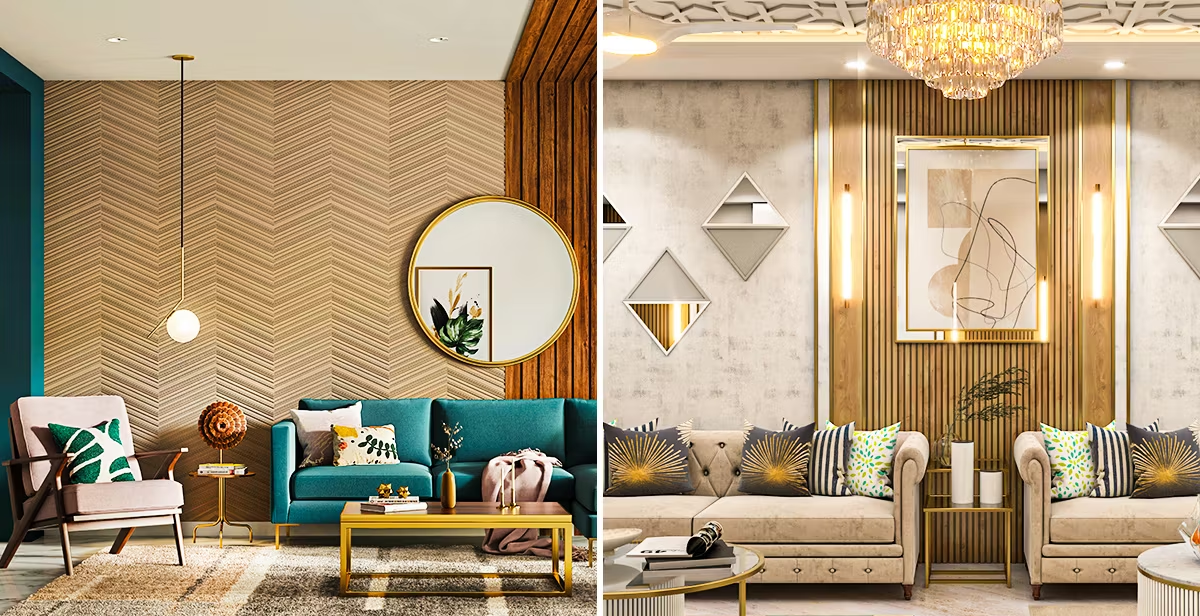

Have you ever walked into someone’s home and immediately felt that everything looked beautiful, comfortable, and perfectly put together? Sometimes, it is not the expensive sofa or fancy furniture that makes a home attractive. It is the little things, like the flooring, wall colors, lighting, and decorations, that make the biggest difference.
Your home is where you relax after a long day, spend time with family, welcome friends, and enjoy your own space. Naturally, you want it to look good and feel comfortable. But creating a stylish home does not mean spending a lot of money or following every interior design trend you see online. A few thoughtful changes can make your rooms feel fresher without turning the process into a costly renovation project.
Flooring and wall decor are a great place to start. They cover a large part of every room, so even a small change can affect the overall appearance. Whether you live in a compact apartment, a family home, or a rented space, you can find simple ways to make your surroundings look more attractive. The secret is to choose what suits your lifestyle, your budget, and the way you actually use each room.
1. Start With Flooring That Works for Your Everyday Life

Flooring is one of those things you may not think about much until it becomes difficult to clean, starts looking worn, or no longer matches the room. The right flooring can make everyday life easier while giving your home a more finished appearance.
Before choosing a design, think about what happens in each room. Your living room might see plenty of foot traffic, while your bedroom is a place where you want to feel relaxed. The kitchen may need a surface that is easy to wipe clean, and the bathroom needs flooring designed for wet conditions.
There is no single flooring material that works perfectly everywhere. It is better to consider how much maintenance you are comfortable with, your budget, and the appearance you want.
| Flooring Type | Where It Works Well | Why Consider It? |
| Ceramic or porcelain tiles | Kitchens, bathrooms, and living rooms | Easy to clean and available in many designs |
| Wooden flooring | Bedrooms and living areas | Brings warmth and a natural feel |
| Laminate flooring | Bedrooms and living rooms | Offers a wood-inspired appearance at different price points |
| Vinyl flooring | Selected living spaces and suitable kitchens | Comes in different patterns and is relatively easy to maintain |
| Natural stone | Entryways and selected living spaces | Adds a distinctive, elegant look |
| Carpet | Bedrooms and cozy corners | Feels soft and comfortable underfoot |
For example, if your family spends most evenings in the living room, durable flooring that handles regular movement may be more useful than a delicate material that needs constant attention. If you prefer a warm bedroom, wooden-look flooring with a soft rug can create a comfortable atmosphere.
Before buying anything, check the product specifications, installation costs, cleaning requirements, and suitability for your home. A beautiful floor is much more satisfying when it also makes sense for everyday life.
2. Give Your Walls a Fresh Look With the Right Colors
Sometimes, a room feels dull simply because the walls need a little attention. You do not always need new furniture to change that feeling. A fresh coat of paint can make an old room feel brighter, cleaner, and more welcoming.
Choosing a wall color can feel confusing because there are so many shades available. Instead of selecting a color just because it looks good in a picture, consider your room’s natural light, existing furniture, and flooring.
Light colors such as cream, warm white, and beige can create a calm and open feeling. Soft green and muted blue can add a gentle touch of color, while deeper shades can make a room feel dramatic and cozy when used thoughtfully.
Here are some easy ways to choose wall colors:
- For small rooms: Try lighter shades to create a brighter, more open appearance.
- For cozy bedrooms: Consider warm neutrals or soft, muted colors.
- For modern living rooms: Pair simple wall colors with contrasting cushions, artwork, or furniture.
- For a little personality: Paint one wall in a different shade instead of using bold colors throughout the room.
- For a coordinated look: Choose colors that complement the undertones of your flooring.
One important tip: never judge a paint color only under showroom lighting. Take a sample home and look at it in the morning, afternoon, and evening. The same shade can appear completely different depending on the light.
3. Try an Accent Wall When a Room Feels Too Plain

Have you ever looked at a wall and felt that something was missing, but you did not know what to add? An accent wall can be a simple solution. It gives the room a focal point without requiring you to decorate every corner.
You can create an accent wall with paint, wallpaper, wooden panels, or artwork. The idea is to make one area stand out while keeping the rest of the room balanced.
For example, a deep green wall behind a neutral sofa can bring color into the living room. In a bedroom, a soft contrasting shade behind the bed can make the space feel more thoughtfully designed.
Some accent wall ideas worth considering include:
- Paint: A different color is one of the easiest ways to refresh a wall.
- Wallpaper: Floral, geometric, or nature-inspired patterns can add personality.
- Wooden panels: These can introduce warmth and texture.
- Framed artwork: A collection of prints can turn an empty wall into an interesting feature.
- Textured finishes: Suitable decorative finishes can add depth without relying on bright colors.
The trick is knowing when to stop. If the wall already has a bold pattern, keep nearby decorations simple. You want the room to feel interesting, not as though every item is competing for attention.
4. Make Your Flooring and Wall Decor Work Together
A room can have beautiful flooring and attractive wall decorations but still feel slightly disconnected. This often happens when the colors, patterns, and textures do not complement one another.
You do not need everything to match exactly. In fact, using the same color everywhere can make a room feel a little flat. What helps is choosing a few colors and materials that look good together and repeating them throughout the space.
For example, light wooden flooring can work nicely with cream walls, green plants, and natural-texture accessories. Grey tiles can look balanced with white walls, simple artwork, and a few darker accents.
Here are some combinations to inspire you:
| Flooring Style | Wall Color Ideas | Decor That Complements It |
| Light wood | Cream, white, soft green | Plants, woven baskets, simple prints |
| Dark wood | Warm white, beige | Soft lighting, framed artwork |
| Grey tiles | White, pale blue, muted grey | Minimalist pictures, simple metal frames |
| Marble-look flooring | Warm neutrals, soft grey | Mirrors, understated decorative pieces |
| Patterned tiles | Plain or neutral walls | Simple shelves and minimal artwork |
Think of the room as a whole rather than choosing every item separately. When the flooring, walls, and accessories feel connected, the space usually looks more natural and inviting.
5. Decorate Empty Walls Without Filling Every Inch

Empty walls can sometimes make a room feel unfinished, but covering every available space with pictures and decorations is not necessary. A few pieces that mean something to you can make a room feel much more personal.
You might display family photographs, pictures from your travels, illustrations, abstract prints, or artwork from a local artist. These details can tell a story about the people who live in the home, making the room feel less like a showroom and more like your own space.
If you are unsure how to arrange wall art, start small. One large picture above the sofa can look lovely, while several smaller frames can work well as a gallery wall.
Keep these tips in mind:
- Choose artwork that suits the room’s colors and overall mood.
- Use similar frame colors if you want a coordinated appearance.
- Leave enough space between frames so the arrangement does not look crowded.
- Hang pictures at a comfortable viewing height.
- Arrange frames on the floor first to test the layout before making holes in the wall.
You can also use floating shelves for small plants, books, or decorative objects. Just avoid overcrowding them, especially if the room already has patterned flooring or bold wall colors.
6. Use Rugs to Add Comfort and Character
A rug is one of the easiest ways to change the appearance of a room without replacing the flooring. It adds texture, introduces color, and makes certain areas feel more comfortable.
Imagine a living room with plain tiles and a sofa that looks a little too simple. Adding a well-sized rug, a couple of cushions, and a floor lamp can make the entire seating area feel more inviting.
Rugs can also help define different spaces in open-plan homes. For example, one rug can mark the living area while another can sit beneath a dining table, provided the sizes and materials suit the furniture and floor.
Before buying a rug, consider the following:
- Choose a size that works with your furniture arrangement.
- Pick a pattern that complements rather than competes with the flooring.
- Look for easy-to-clean materials in busy areas.
- Use a suitable non-slip rug pad to help prevent movement.
- Check the pile height if doors need to open over the rug.
If your flooring already has a strong pattern, a plain rug may be the better choice. If the floor is simple, a patterned rug can bring some much-needed personality into the room.
7. Make Small Rooms Feel Brighter and More Open

Small rooms can be challenging to decorate, especially when you have furniture, storage needs, and everyday belongings to fit into the same space. The good news is that you do not need to knock down walls to make a room feel more open.
Start by reducing visual clutter. Too many decorations, bulky furniture pieces, and contrasting colors can make a compact room feel crowded. Keeping the color palette simple can help everything feel more connected.
A few changes can make a noticeable difference:
- Use lighter wall colors if the room feels dark.
- Add a mirror where it can reflect natural light or an attractive part of the room.
- Keep walkways clear so moving around feels easy.
- Use wall-mounted shelves when suitable to free up floor space.
- Choose a few useful decorative items rather than filling every corner.
- Consider consistent flooring across connected rooms when practical.
Mirrors can create a sense of depth, but placement matters. A mirror facing a window may reflect light into the room, while one reflecting clutter may draw attention to it instead.
The goal is not to make your home look empty. It is to give everything enough space to feel comfortable.
8. Do Not Underestimate the Power of Lighting
Have you ever noticed how a room can look lovely during the day but feel completely different after sunset? Lighting has a lot to do with that. It affects the way wall colors appear, how flooring reflects light, and whether a space feels cozy or harsh.
Instead of relying on one bright ceiling light, consider using a few different light sources. A table lamp beside the sofa, a reading lamp near a chair, or suitable wall lighting near artwork can make the room feel more layered.
Here are a few practical ideas:
- Use table lamps to create a relaxed atmosphere.
- Add a floor lamp beside a reading chair.
- Use suitable wall lights to highlight selected areas.
- Choose picture lighting when you want artwork to stand out.
- Consider under-cabinet lighting for kitchen work surfaces.
- Select light tones that suit the room’s purpose and your personal preference.
You do not need to install expensive lighting throughout the house. Sometimes, moving a lamp or replacing an unsuitable bulb is enough to make a corner feel more welcoming.
For electrical installations or new wiring, use a qualified professional when required.
9. Refresh Your Home Without Spending Too Much

A stylish home does not have to come with a huge shopping bill. In many cases, the first step is simply looking at what you already own.
Maybe the living room needs a different furniture arrangement. Perhaps your existing frames would look better grouped together, or the bedroom could use fresh cushion covers. Small changes like these can make a familiar space feel new again.
If you want to decorate on a budget, try these ideas:
- Repaint one wall instead of renovating the entire room.
- Reuse picture frames with new photographs or prints.
- Rearrange existing furniture before buying anything new.
- Compare prices for rugs, lamps, and decorative accessories.
- Update suitable furniture with new handles or an appropriate finish.
- Make improvements one room at a time rather than doing everything together.
It is also worth thinking about long-term costs. A cheaper flooring material may require more maintenance, while a more durable option could offer better value over time. Compare installation, cleaning, and repair requirements before making a purchase.
You do not need to complete every project in one weekend. Decorating gradually can be easier on your budget and gives you time to understand what your home actually needs.
10. Avoid These Common Decorating Mistakes
Sometimes, a room does not look the way you imagined because a few small details have been overlooked. Fortunately, these mistakes are often easy to avoid with a little planning.
Choosing flooring without considering maintenance: Think about daily use, cleaning, and moisture before selecting a material.
Mixing too many patterns: Bold flooring, patterned wallpaper, and busy rugs may compete with one another. Try balancing one strong pattern with simpler designs.
Ignoring lighting: Always test paint colors and flooring samples in your own home.
Buying decorations before measuring: Check the size of your wall, rug area, and furniture arrangement before purchasing items.
Overcrowding the walls: A few carefully chosen decorations often look better than filling every empty space.
Following trends without considering comfort: A design may look attractive online but still be unsuitable for your lifestyle.
A beautiful room should be pleasant to live in, not just nice to photograph. Practicality deserves as much attention as appearance.
Create a Home That Feels Like You

Making your home look stylish does not have to be complicated. You do not need matching furniture in every room or expensive decorations on every wall. What matters is finding the right balance between appearance, comfort, and everyday practicality.
Start with the changes that will make the biggest difference. You might refresh a tired wall, add a rug to soften the flooring, rearrange your artwork, or improve the lighting in a dark corner. Once you see how one small update changes the room, deciding what to do next becomes much easier.
Take your time, work within your budget, and choose colors and materials you genuinely enjoy. Your home should reflect your personality and support the way you live. With a little creativity and thoughtful planning, even simple flooring and wall decor choices can help create a space that feels warm, welcoming, and completely your own.
Frequently Asked Questions
1. How can I make my home look stylish on a budget?
Start with small changes like fresh wall paint, attractive rugs, better lighting, and rearranging your existing furniture to give your home a fresh look.
2. Which flooring is best for a modern home?
Tiles, wooden flooring, laminate, and vinyl are popular choices. Pick one that suits your budget, daily needs, and preferred interior style.
3. What wall colors make a room look bigger?
Light shades like white, cream, and soft beige can make a room feel brighter and more open, especially when natural light is available.
4. How do I match wall decor with my flooring?
Choose wall colors and decorations that complement your floor’s color and texture. Keeping a balanced color palette helps the entire room feel connected.
5. How can I decorate empty walls without spending much?
Try family photos, affordable prints, simple shelves, or DIY artwork. A few meaningful pieces can make an empty wall feel warm and personal.




Leave a Reply