

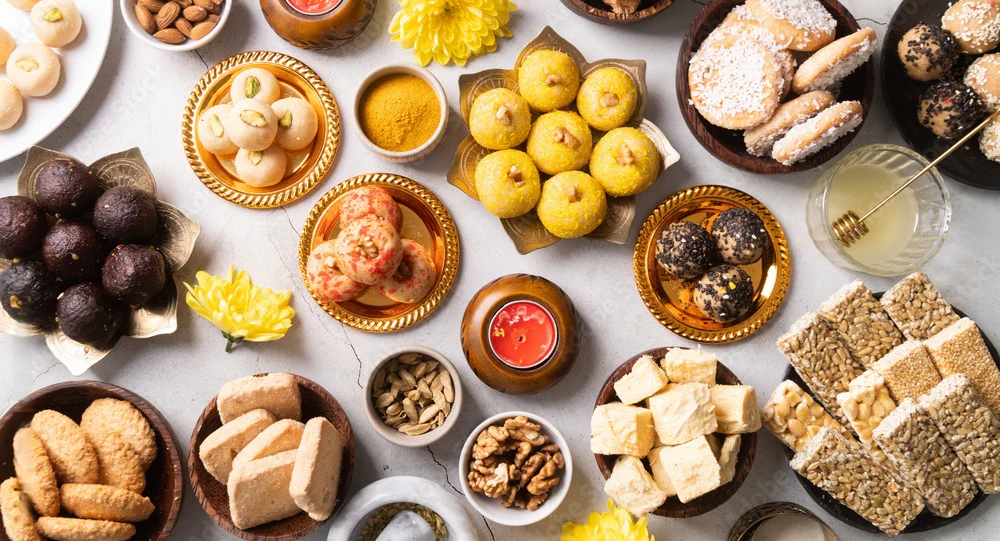

Indian festivals are incomplete without delicious sweets. Traditional Sweets From soft gulab jamun and rich kaju katli to homemade besan ladoo and creamy kheer, traditional Indian mithai brings families together and adds sweetness to every celebration. Whether you are preparing sweets for Diwali, Holi, Ganesh Chaturthi, Raksha Bandhan, or Durga Puja, there are many recipes you can make at home using simple ingredients.
Homemade Indian sweets also allow you to adjust the sweetness, choose your preferred ingredients, and enjoy freshly prepared desserts with family and friends.
In this guide, you will discover some of the best traditional Indian sweets recipes, the festivals they are commonly associated with, and practical tips to help you prepare them successfully.
Why Are Traditional Indian Sweets Important During Festivals?

Sweets have a special place in Indian culture and celebrations. They are often offered during prayers, exchanged with friends and relatives, and served to guests as a gesture of happiness and hospitality.
Different regions of India have their own famous mithai, ingredients, and preparation methods. Milk, sugar, jaggery, flour, coconut, nuts, and aromatic spices are commonly used to create a wide variety of traditional desserts.
Making sweets at home can also become a meaningful family activity. Preparing a favourite recipe together helps preserve culinary traditions and introduces younger generations to regional Indian flavours.
1. Gulab Jamun: A Favourite for Celebrations

Gulab jamun is one of the most popular Indian sweets, known for its soft texture and sweet, aromatic syrup. These round, golden-brown treats are commonly served at weddings, festivals, family gatherings, and special occasions.
Ingredients
- 1 cup milk powder
- ¼ cup all-purpose flour
- 2 tablespoons ghee
- Approximately ¼ cup milk, added gradually
- Oil or ghee for frying
- 1 cup sugar
- 1 cup water
- 3–4 cardamom pods
- A few drops of rose water, optional
How to Make Gulab Jamun
Step 1: Prepare the sugar syrup. Combine sugar and water in a saucepan. Heat until the sugar dissolves, then add crushed cardamom. Keep the syrup warm and add rose water if desired.
Step 2: Make the dough. Mix milk powder, flour, and ghee. Add milk little by little to form a soft dough. Avoid kneading it excessively, as this can make the gulab jamun dense.
Step 3: Shape the balls. Divide the dough into small portions and roll them gently until smooth, without cracks.
Step 4: Fry slowly. Heat the oil or ghee over low to medium-low heat. Fry the balls slowly, turning them until evenly golden brown and cooked through.
Step 5: Soak in syrup. Allow the fried balls to rest briefly, then place them in warm syrup. Let them soak for at least 30 minutes before serving.
Festival pairing: Diwali, Holi, Eid celebrations, weddings, and family gatherings.
Helpful tip: Keep the frying temperature moderate. Oil that is too hot can brown the outside before the centre cooks.
2. Besan Ladoo: A Traditional Homemade Sweet
Besan ladoo is made with gram flour, ghee, sugar, and cardamom. Its rich roasted aroma makes it a favourite for Diwali, Ganesh Chaturthi, and other festive occasions.
Ingredients
- 2 cups besan (gram flour)
- ¾ cup powdered sugar, adjusted to taste
- ½ cup ghee, approximately
- ½ teaspoon cardamom powder
- Chopped almonds or pistachios, optional
How to Make Besan Ladoo
Step 1: Heat the ghee in a heavy-bottomed pan over low heat.
Step 2: Add the besan and roast slowly, stirring continuously to prevent burning.
Step 3: Continue roasting until the flour develops a nutty aroma and a deeper golden colour. This process may take around 15–25 minutes, depending on the pan and heat.
Step 4: Remove the pan from the heat and allow the mixture to cool until warm rather than hot.
Step 5: Mix in powdered sugar and cardamom. Add chopped nuts if desired.
Step 6: Shape the mixture into small, firm balls while it is still warm enough to handle.
Festival pairing: Diwali, Ganesh Chaturthi, Navratri, and religious offerings where ladoo is customary.
Helpful tip: Thorough roasting is essential for good flavour. Add powdered sugar only after the mixture has cooled somewhat to avoid an overly melted, greasy texture.
3. Kaju Katli: An Elegant Festive Indian Sweets

Kaju katli is a popular Indian cashew sweet with a smooth texture and delicate nutty flavour. It is often shared in decorative sweet boxes during Diwali, Raksha Bandhan, weddings, and other celebrations.
Ingredients
- 2 cups cashews
- ¾ cup sugar
- ½ cup water, approximately
- A little ghee for greasing
- Cardamom powder, optional
How to Make Kaju Katli
Step 1: Prepare the cashews. Grind the cashews into a fine powder using short pulses. Avoid prolonged grinding, which can release oil and turn the powder into a paste.
Step 2: Prepare the syrup. Heat the sugar and water in a non-stick or heavy-bottomed pan until the sugar dissolves.
Step 3: Add the cashew powder. Stir in the powder and cook over low heat, mixing continuously to prevent lumps.
Step 4: Form the dough. Continue cooking until the mixture thickens and comes together into a soft dough-like mass.
Step 5: Roll and cut. Allow it to cool until safe to handle. Knead gently if needed, then roll between sheets of baking paper and cut into diamond shapes.
Festival pairing: Diwali, Raksha Bandhan, weddings, and gift-giving occasions.
Helpful tip: Use finely ground cashews and avoid adding too much water. The final texture depends on the moisture in the cashews and the consistency of the cooked mixture.
4. Rice Kheer: A Creamy Indian Sweets Dessert

Rice kheer is a comforting Indian dessert made by simmering rice in milk with sugar and aromatic ingredients. It is enjoyed throughout the year and is often prepared for pujas, religious celebrations, and family meals.
Ingredients
- 1 litre full-fat milk
- ¼ cup rice
- ¼–⅓ cup sugar, according to taste
- ½ teaspoon cardamom powder
- Chopped almonds and pistachios
- A few saffron strands, optional
How to Make Rice Kheer
Step 1: Wash the rice thoroughly and drain the water.
Step 2: Bring the milk to a gentle simmer in a heavy-bottomed pan.
Step 3: Add the rice and cook over low heat, stirring frequently so that the milk does not stick to the bottom.
Step 4: Continue simmering until the rice becomes soft and the milk thickens. This usually takes around 30–45 minutes, depending on the rice and cooking temperature.
Step 5: Add sugar, cardamom, and saffron if using. Simmer for a few more minutes.
Step 6: Garnish with chopped nuts and serve warm or chilled.
Festival pairing: Janmashtami, Navratri, Diwali, and family religious ceremonies, depending on household traditions.
Helpful tip: Kheer thickens further as it cools. Keep it refrigerated in a covered container and consume it within a few days.
5. Modak: A Traditional Indian Sweets for Ganesh Chaturthi

Modak is especially associated with Ganesh Chaturthi and is traditionally offered to Lord Ganesha in many households. Indian Sweets Steamed ukadiche modak, popular in Maharashtra, has a soft rice-flour covering and a sweet coconut-jaggery filling.
Ingredients
For the outer covering:
- 1 cup rice flour
- Approximately 1 cup water
- 1 teaspoon ghee
- A pinch of salt
For the filling:
- 1 cup grated fresh coconut
- ¾ cup grated or chopped jaggery
- ½ teaspoon cardamom powder
- A little chopped nuts, optional
How to Make Steamed Modak
Step 1: Prepare the filling. Heat the coconut and jaggery in a pan until the jaggery melts and the mixture becomes cohesive.Indian Sweets Add cardamom and allow the filling to cool.
Step 2: Prepare the rice-flour dough. Bring water, ghee, and salt to a boil.Indian Sweets Add the rice flour and mix carefully. Cover briefly, then knead while warm enough to handle into a smooth dough.
Step 3: Shape the covering. Divide the dough into small portions and flatten each into a thin disc.
Step 4: Add the filling. Place a spoonful of coconut-jaggery mixture in the centre. Indian Sweets Fold the edges into pleats and seal at the top.
Step 5: Steam the modaks. Arrange them in a greased steamer and steam for approximately 10–15 minutes, or until the covering is cooked.
Festival pairing: Ganesh Chaturthi and other occasions when modak is traditionally prepared.
Helpful tip: Keep the dough covered while shaping the modaks so it does not dry out or crack.
6. Coconut Ladoo: A Quick and Easy Indian Sweets

Indian Sweets Coconut ladoo is a convenient choice when you want to prepare a festive sweet without spending hours in the kitchen. Indian Sweets Depending on the recipe, it can be made with fresh coconut, desiccated coconut, condensed milk, or jaggery.
Ingredients
- 2 cups desiccated coconut
- ¾ cup sweetened condensed milk, approximately
- ¼ teaspoon cardamom powder
- Extra desiccated coconut for coating
How to Make Coconut Ladoo
Step 1: Place the desiccated coconut and condensed milk in a pan.
Step 2: Cook over low heat, stirring continuously, until the mixture thickens and starts coming together.
Step 3: Add cardamom powder and mix well.
Step 4: Let the mixture cool until comfortable to handle.
Step 5: Grease your palms lightly and roll the mixture into small balls. Coat them with additional coconut.
Festival pairing: Diwali, Raksha Bandhan, Navratri, and last-minute festive preparations.
Helpful tip: Add condensed milk gradually if needed. Too much liquid can make the ladoos difficult to shape.
7. Gujiya: A Festive Indian Sweets for Holi

Gujiya is a crescent-shaped pastry traditionally filled with a sweet mixture of khoya, sugar, nuts, and cardamom. Indian Sweets It is especially popular during Holi in several parts of North India.
Ingredients
For the pastry:
- 2 cups all-purpose flour
- ¼ cup ghee
- Water as needed
For the filling:
- 1 cup khoya (mawa)
- ½ cup powdered sugar, adjusted to taste
- ¼ cup chopped nuts
- ½ teaspoon cardamom powder
- Oil or ghee for frying
How to Make Gujiya
Step 1: Rub the ghee into the flour until the mixture resembles coarse crumbs. Add water gradually and prepare a firm dough. Cover and rest for 20–30 minutes.
Step 2: Crumble the khoya and roast it gently in a pan until lightly golden. Let it cool completely.
Step 3: Mix the cooled khoya with powdered sugar, nuts, and cardamom.
Step 4: Roll the dough into small discs. Place filling on one half, fold over, and seal the edges firmly using water. Crimp the edges if desired.
Step 5: Fry the gujiyas over medium-low heat until crisp and golden.
Festival pairing: Holi and regional festive celebrations.
Helpful tip: Do not overfill the pastry. Make sure the edges are tightly sealed to prevent the filling from leaking during frying.
8. Rasgulla: A Popular Bengali Indian Sweets

Rasgulla is a soft, spongy sweet made from chhena, a fresh curd cheese prepared by splitting milk. Indian Sweets The balls are cooked in sugar syrup until they become light and absorb the syrup.
Ingredients
- 1 litre full-fat milk
- 2–3 tablespoons lemon juice diluted with water
- 1 cup sugar
- 4 cups water for the syrup
How to Make Rasgulla
Step 1: Heat the milk until it comes to a boil. Lower the heat and gradually add diluted lemon juice until the milk separates into curds and whey.
Step 2: Strain the curds through a clean muslin cloth and rinse with cool water to remove the lemon flavour.
Step 3: Hang the cloth briefly to drain excess water. The chhena should be moist but not dripping wet.
Step 4: Knead the chhena until smooth and shape it into small balls without cracks.
Step 5: Bring the sugar and water to a vigorous boil in a wide pan. Add the balls carefully and cover.
Step 6: Cook at a steady boil for approximately 12–18 minutes, depending on their size. Allow them to cool in the syrup before serving.
Festival pairing: Durga Puja, Bengali celebrations, and special family occasions.
Helpful tip: Fresh, smooth chhena is important for a soft texture. Avoid over-draining it or kneading it until it becomes oily.
9. Peda: A Classic Milk-Based Indian Sweets

Peda is a traditional Indian mithai made from milk solids, sugar, and cardamom.Indian Sweets Its rich flavour and compact shape make it popular for religious offerings, temple visits, and festive gift boxes.
Ingredients
- 2 cups khoya (mawa)
- ½ cup powdered sugar, adjusted to taste
- ½ teaspoon cardamom powder
- A few strands of saffron, optional
- Chopped pistachios for garnish
How to Make Peda
Step 1: Crumble the khoya into a heavy-bottomed pan.
Step 2: Cook over low heat, stirring continuously, until the khoya softens and becomes slightly golden. Allow it to cool until warm.
Step 3: Add powdered sugar and cardamom. Mix thoroughly.
Step 4: If the mixture is too soft to shape, cook it briefly over low heat until it firms up. Cool again before handling.
Step 5: Shape the mixture into small discs or rounds and garnish with pistachios or saffron.
Festival pairing: Janmashtami, Diwali, religious ceremonies, and family celebrations.
Helpful tip: Add sugar after the khoya has cooled somewhat to reduce the risk of the mixture becoming excessively loose.
10. Rava Kesari: A Simple Festive Indian Sweets

Rava kesari is a popular semolina dessert known for its soft texture and saffron-like golden colour. It is often prepared during South Indian festivals, pujas, and family celebrations.
Ingredients
- 1 cup rava (semolina)
- ¾ cup sugar
- 3 cups water
- 3 tablespoons ghee
- ¼ teaspoon cardamom powder
- A pinch of saffron or a small amount of permitted food colouring, optional
- Cashews and raisins, optional
How to Make Rava Kesari
Step 1: Heat a little ghee in a pan and roast the semolina over low heat until aromatic, without browning it excessively.
Step 2: In another saucepan, bring the water to a boil. Add saffron if using.
Step 3: Gradually add the roasted semolina to the hot water while stirring continuously to avoid lumps.
Step 4: Cook until the semolina absorbs the water and becomes soft.
Step 5: Add sugar and stir as the mixture loosens slightly before thickening again.
Step 6: Add the remaining ghee, cardamom, and cashews or raisins roasted in ghee. Mix until the dessert reaches a soft, cohesive consistency.
Festival pairing: South Indian festivals, pujas, and special family meals.
Helpful tip: Add the semolina slowly to boiling water while stirring. This helps produce a smoother texture.
Which Indian Sweets Are Best for Different Festivals?

Choosing sweets that suit the occasion can make your Indian Sweets festive menu feel more traditional and thoughtful.
Diwali
Diwali is a popular time for preparing or gifting besan ladoo, kaju katli, gulab jamun, coconut ladoo, and peda. Indian Sweets You can prepare some sweets in advance and arrange them in attractive gift boxes.
Holi
Gujiya is one of the best-known festive sweets associated with Holi. Indian Sweets Other options include malpua, gulab jamun, and regional milk-based desserts.
Ganesh Chaturthi
Modak is a traditional choice for Ganesh Chaturthi, particularly steamed coconut-jaggery modak. Ladoo varieties are also popular offerings in many households.
Janmashtami
Peda, makhan mishri, panjiri, and kheer are commonly associated with Krishna Janmashtami in various regional traditions. The exact preparations depend on family and temple customs.
Raksha Bandhan
Kaju katli, peda, coconut ladoo, and gulab jamun make thoughtful additions to a Raksha Bandhan celebration or sweet gift box.
Durga Puja
Rasgulla, sandesh, payesh, and other Bengali sweets are popular choices during Durga Puja, particularly in West Bengal.
Pongal and Other Harvest Festivals
Sakkarai pongal, a sweet preparation made with rice, moong dal, jaggery, ghee, and nuts, is a traditional choice for Thai Pongal in Tamil Nadu. Other harvest celebrations feature their own regional sweets.
Tips for Making Perfect Indian Sweets at Home

Preparing mithai at home Indian Sweets can be rewarding, but a few practical techniques can improve the taste, texture, and consistency.
1. Use fresh ingredients. Fresh milk, good-quality ghee, nuts, and properly stored flour can make a noticeable difference to the final result.
2. Control the heat. Many sweets require slow cooking. High heat can burn besan, overcook khoya, or brown fried sweets before the centres are cooked.
3. Measure ingredients carefully. The balance between flour, fat, sugar, and liquid affects the texture. Use consistent measurements, particularly when preparing recipes for the first time.
4. Pay attention to sugar syrup. Sweets such as gulab jamun and rasgulla depend on the right syrup consistency and cooking method. Follow the recipe closely instead of relying only on appearance.
5. Allow mixtures to cool before shaping. Hot mixtures can be difficult to handle and may not hold their shape. Let them cool enough to handle safely while retaining the texture needed for shaping.
6. Prepare suitable sweets in advance. Dry sweets such as besan ladoo and kaju katli are often easier to prepare ahead than milk-based desserts that require refrigeration.
7. Store sweets properly. Milk-based and moist sweets generally require refrigeration. Keep them in clean, covered containers and follow safe storage guidance for the ingredients used.
8. Adjust sweetness to taste. You can often reduce the sugar slightly, but major changes may affect the texture of recipes that rely on sugar syrup or sugar for structure.
How to Store Homemade Indian Mithai

Indian Sweets Proper storage helps maintain the flavour and quality of homemade sweets.
- Besan ladoo and kaju katli: Store in an airtight container in a cool, dry place when the recipe and local conditions permit. Refrigerate if the recipe contains perishable ingredients or the environment is hot and humid.
- Gulab jamun and rasgulla: Refrigerate in a covered container with syrup after cooling. Serve according to safe food-handling practices.
- Kheer and other milk desserts: Refrigerate promptly and consume within a few days.
- Fresh coconut sweets and khoya-based mithai: Refrigerate because their moisture and dairy content can increase spoilage risk.
- Gujiya: Store fully cooled gujiya in a clean, airtight container. The storage period depends on whether the filling is made with khoya, coconut, or a drier mixture.
Do not leave perishable sweets at room temperature for extended periods. Indian Sweets Refrigeration does not make spoiled food safe, so discard sweets with unusual odours, visible mould, or other signs of spoilage.
Frequently Asked Questions
1. Which Indian sweets are easiest to make at home?
Coconut ladoo, besan ladoo, rice kheer, and rava kesari are good starting points. They use widely available ingredients and do not require elaborate shaping techniques.
2. Which traditional Indian sweets are popular during Diwali?
Besan ladoo, kaju katli, gulab jamun, peda, coconut ladoo, and several varieties of barfi are popular Diwali sweets. Choices vary by region and family tradition.
3. Which sweets are traditionally prepared for Ganesh Chaturthi?
Modak, especially steamed ukadiche modak filled with coconut and jaggery, is strongly associated with Ganesh Chaturthi. Ladoo varieties are also offered in many households.
4. Can Indian sweets be prepared a day before a festival?
Yes. Many dry sweets, including besan ladoo and kaju katli, can be prepared ahead. Milk-based desserts, fresh coconut sweets, and other perishable mithai should be refrigerated promptly and handled carefully.
5. How can I make Indian sweets less sweet?
You can reduce sugar in many recipes according to taste. However, sweets that depend on sugar syrup or sugar for their structure may need adjustments to the cooking method as well.


Leave a Reply