

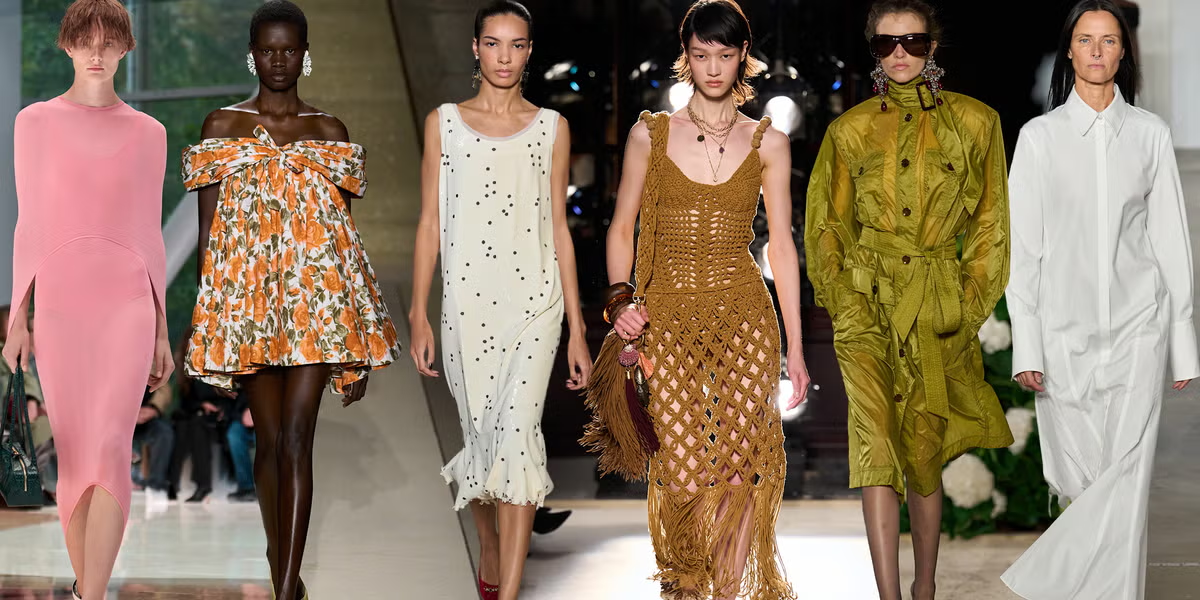

Fashion has always been a way to express personality, but in 2026, personal style is about much more than following the latest trend. It is about finding clothes that feel comfortable, choosing pieces that suit your lifestyle, and creating outfits that make you feel confident. Whether you enjoy experimenting with bold colours or prefer simple, timeless clothing, there is room for every kind of style in today’s fashion world.
From everyday streetwear and elegant occasion outfits to relaxed basics and statement accessories, modern fashion offers plenty of ways to build a wardrobe that reflects who you are. Social media, celebrity looks, fashion creators, online shopping, and changing consumer preferences continue to influence what people wear. At the same time, many shoppers are paying greater attention to comfort, versatility, quality, and value for money.
The exciting part is that looking stylish does not necessarily mean buying expensive designer clothing or replacing your wardrobe every season. A well-fitted pair of jeans, a classic shirt, comfortable footwear, and a few carefully chosen accessories can create several different looks. Learning how to combine these basics with current trends can make getting dressed easier and more enjoyable.
This guide explores the major fashion and style themes to consider in 2026, including clothing trends, seasonal outfits, colours, accessories, sustainable fashion, shopping tips, and practical styling advice for different occasions.
Understanding Modern Fashion in 2026

Modern fashion brings together personal expression, changing trends, comfort, and practicality. Instead of relying on one fixed style, many people combine different influences to create outfits that suit their personalities and daily routines.
For example, someone might pair a tailored blazer with relaxed jeans, wear traditional clothing with contemporary accessories, or combine sporty footwear with a more polished outfit. These combinations show how fashion can be flexible rather than limited to strict rules.
Personal Style Over Blind Trend-Following
Trends can provide inspiration, but not every trend will suit every person. Your preferred colours, body comfort, daily activities, and budget should all influence your clothing choices.
If oversized clothing feels comfortable, you can incorporate it into your wardrobe. If you prefer structured outfits, tailored trousers and fitted jackets may be a better match. The goal is to use trends selectively rather than feeling pressured to copy every popular look.
Comfort Meets Style
Comfort remains an important consideration when choosing everyday clothing. Breathable fabrics, practical footwear, relaxed silhouettes, and versatile layers can help create outfits that look good and feel suitable for long days.
Comfort does not have to mean sacrificing style. A coordinated outfit with well-fitting clothes and thoughtful accessories can look polished without feeling restrictive.
Versatile Wardrobes
Versatility is useful when you want more outfit options without buying large quantities of clothing. Pieces that work together across different occasions make it easier to dress for work, casual outings, travel, and social events.
A neutral shirt, for example, can be worn with jeans for a relaxed look or tucked into tailored trousers for a more formal appearance.
Top Fashion Trends to Explore in 2026

Fashion changes throughout the year, and trends can differ between countries, age groups, and fashion communities. Rather than treating any single look as essential, use the following ideas as inspiration and adapt them to your own preferences.
Relaxed and Oversized Silhouettes
Relaxed shirts, loose-fit jeans, roomy jackets, and oversized knitwear offer a comfortable alternative to restrictive clothing. These pieces can work well for casual outfits, travel, and everyday wear.
For a balanced look, try pairing a loose top with more structured trousers, or combine wide-leg jeans with a neatly fitted shirt. You can also create an intentionally relaxed outfit by combining oversized pieces in similar colours.
The most important detail is proportion. Choose clothing that allows movement and feels comfortable rather than buying a size that makes the outfit difficult to wear.
Minimalist and Timeless Fashion
Minimalist fashion focuses on clean shapes, simple colours, and pieces that are easy to combine. White shirts, black trousers, denim, neutral knitwear, and classic outerwear are common examples.
This approach can be particularly useful if you prefer a wardrobe that works across different occasions. Instead of relying on bold prints or elaborate designs, you can create interest through fabric texture, fit, layering, and accessories.
Minimalism does not have to mean wearing only black, white, and beige. Muted green, navy, brown, and other understated colours can also work beautifully.
Statement Pieces
A statement piece is an item that attracts attention and gives an outfit a distinctive character. It might be a brightly coloured jacket, patterned trousers, an unusual handbag, bold earrings, or eye-catching footwear.
You do not need several statement pieces in one outfit. One distinctive item can be enough to make a simple combination feel more personal.
For example, a plain T-shirt and jeans can look more expressive when paired with a colourful jacket or an interesting pair of shoes.
Denim Beyond Basic Jeans
Denim remains a versatile wardrobe option because it comes in many cuts, washes, and styles. Straight-leg jeans, wide-leg designs, denim jackets, skirts, and shirts offer different ways to use the fabric.
For everyday wear, denim can be paired with T-shirts, knitwear, shirts, or trainers. For a more polished outfit, combine dark denim with a structured jacket and clean footwear.
Choose a cut that feels comfortable when sitting, walking, and moving. The best denim is not necessarily the most fashionable design; it is the one you enjoy wearing.
Sporty and Casual Styling
Sport-inspired clothing can be practical for busy days. Sweatshirts, track jackets, trainers, relaxed trousers, and lightweight layers can be combined with everyday basics.
If you want a more balanced appearance, mix casual items with structured pieces. A simple jacket over a sweatshirt or clean trainers with tailored trousers can create an outfit that feels relaxed without looking unfinished.
Modern Traditional Wear
Traditional clothing continues to offer a wide range of styling possibilities. Sarees, kurtas, lehengas, salwar suits, and other regional garments can be styled with contemporary footwear, handbags, jewellery, and layering pieces.
For example, a simple kurta can be paired with straight trousers and understated accessories for everyday wear. A saree with a carefully chosen blouse and jewellery can create an elegant occasion look.
Modern styling does not require abandoning traditional designs. Combining familiar garments with personal touches can make an outfit feel both meaningful and current.
Fashion Colours and Prints to Consider

Colour can change the entire mood of an outfit. Some people enjoy bright shades and striking patterns, while others prefer a quieter palette. In 2026, you can use a mixture of classic colour combinations and expressive accents to create a style that suits you.
Neutral Colours for Everyday Wear
Black, white, cream, beige, grey, navy, and brown are useful wardrobe colours because they can be combined in many ways.
A neutral wardrobe can also make getting dressed simpler. For example, black trousers can work with a white shirt, a beige sweater, or a coloured blouse.
If an outfit feels too plain, introduce contrast through texture, jewellery, footwear, or a bag.
Bright Colours and Colour Blocking
Bright colours can add energy to an outfit. Depending on your preferences, you might choose red, cobalt blue, orange, pink, or green as a main feature.
Colour blocking involves combining distinct blocks of colour in one outfit. A blue top with neutral trousers and a colourful bag is one way to experiment without making the look too complicated.
If you are unsure where to start, keep most of your outfit neutral and introduce one brighter shade.
Florals and Geometric Prints
Floral patterns can add softness and colour, while geometric designs may create a more structured appearance. Stripes, checks, abstract prints, and other patterns can also add interest to basic clothing.
When combining prints, consider the scale and colours of each design. If one item has a bold pattern, simpler pieces can help the outfit feel more coordinated.
There is no need to follow strict rules, but keeping a common colour between patterned items can make mixing prints easier.
Textures That Add Depth
Texture can make an outfit interesting even when the colours are simple. Denim, cotton, linen, knitwear, leather alternatives, and textured woven fabrics all create different visual effects.
Try combining a smooth shirt with textured trousers or wearing knitwear over a lightweight top. Small differences in fabric can make a simple outfit look more considered.
Essential Wardrobe Pieces for 2026

A useful wardrobe does not need to contain hundreds of items. A collection of versatile pieces can provide a strong starting point, especially when the colours, cuts, and fabrics work well together.
Everyday Tops
Basic T-shirts, shirts, blouses, and comfortable knitwear can form the foundation of many outfits. Choose pieces that fit well and suit the climate where you live.
Neutral tops are easy to combine with patterned trousers or colourful accessories, while brighter tops can bring personality to simple bottoms.
Jeans and Trousers
Jeans are useful for casual occasions, while tailored trousers can create a more polished look. Depending on your preferences, you might also choose wide-leg trousers, straight cuts, chinos, or comfortable everyday pants.
Fit and movement matter more than choosing a specific cut because it is popular.
Jackets and Outerwear
A versatile jacket can help complete an outfit and provide an extra layer when the weather changes. Options include denim jackets, blazers, lightweight overshirts, cardigans, and weather-appropriate coats.
Choose outerwear based on your climate and routine. A lightweight layer may be useful in warmer regions, while colder conditions may require insulated clothing.
Dresses and Occasion Wear
Dresses, skirts, coordinated sets, and occasion outfits can make dressing for events easier. A simple dress can be styled differently with flats, heels, trainers, jewellery, or a jacket.
If you attend several types of events, choose pieces that can be adapted rather than purchasing an entirely new outfit for every occasion.
Comfortable Footwear
Footwear affects both comfort and the overall appearance of an outfit. Trainers, flats, sandals, boots, and formal shoes each serve different purposes.
Consider where you will wear the shoes and how much walking you expect to do. Attractive footwear that causes discomfort is unlikely to become a useful part of your wardrobe.
Fashion Tips for Women in 2026

Women’s fashion includes a broad range of silhouettes, fabrics, colours, and cultural influences. The most useful approach is to choose clothing that reflects your personal taste and suits your daily activities.
Casual Everyday Outfits
For an easy everyday look, combine jeans or comfortable trousers with a T-shirt, shirt, or simple top. Add trainers, sandals, or flats depending on the occasion.
A lightweight jacket or cardigan can provide an additional layer without making the outfit feel too formal.
Smart-Casual Styling
Smart-casual outfits can be useful for informal meetings, dinners, and social events. Try tailored trousers with a blouse, a simple dress with a jacket, or dark jeans with a structured top.
Accessories can help bring the look together. A neat bag, simple jewellery, and clean footwear often provide enough detail without overcrowding the outfit.
Ethnic and Festive Fashion
For celebrations and cultural occasions, traditional clothing offers many possibilities. Sarees, lehengas, anarkalis, kurtas, and salwar suits can be styled according to the event, season, and personal preference.
Choose fabrics that suit the weather and allow you to move comfortably. Jewellery, footwear, dupattas, and handbags can complete the outfit while reflecting your individual style.
Building Confidence Through Fit
Clothing often feels more flattering and comfortable when it fits properly. If a garment pulls, slips, restricts movement, or needs constant adjustment, consider a different cut or alteration.
There is no single silhouette that everyone should wear. Confidence comes from choosing clothing that feels right for you.
Fashion Tips for Men in 2026

Men’s fashion offers plenty of options beyond basic jeans and T-shirts. Simple changes in fit, colour coordination, layering, and accessories can make everyday outfits look more intentional.
Casual Everyday Style
A well-fitting T-shirt or casual shirt with jeans, chinos, or relaxed trousers is a reliable starting point. Trainers, loafers, or sandals can change the overall feel of the outfit.
Pay attention to the condition of your clothes. Clean footwear, well-maintained fabrics, and properly fitting garments can make a noticeable difference.
Smart-Casual Outfits
For dinners, informal office settings, or social events, consider combining a button-down shirt with tailored trousers or dark jeans. A blazer or structured overshirt can add polish when appropriate.
Choose colours that complement each other instead of feeling obliged to match every item exactly.
Layering for a Better Finish
Layering adds visual interest and helps you adapt to changing temperatures. A T-shirt under an open shirt, a sweater over a collared shirt, or a jacket over a simple outfit can create useful combinations.
Keep the number of layers suitable for the weather and avoid clothing that restricts movement.
Accessories That Make a Difference
Belts, watches, bags, sunglasses, and footwear can add character to an outfit. You do not need every accessory at once; choose items that serve a purpose and complement your clothing.
A simple, well-coordinated combination can be just as effective as a more elaborate look.
Seasonal Fashion and Outfit Ideas
Seasonal dressing is about choosing clothing that suits the weather while maintaining your personal style. The best fabrics and layers depend on where you live, since seasons can differ significantly between regions.
Spring Fashion
In places with mild spring weather, lightweight jackets, shirts, trousers, dresses, and comfortable shoes can be useful choices.
Soft colours, floral patterns, and lighter layers can create a fresh appearance, but you can adapt these ideas to your preferred palette.
Summer Fashion
Breathable fabrics such as cotton and linen can be comfortable in warm conditions. Loose shirts, lightweight dresses, shorts, skirts, and airy trousers may work well depending on your location and activities.
Choose footwear suitable for walking and heat, and consider sun protection when spending time outdoors.
Autumn Fashion
Where autumn brings cooler weather, layering becomes useful. Knitwear, long-sleeved tops, jackets, jeans, and boots can help create outfits that adapt to changing temperatures.
Combining different textures and deeper colours can add seasonal character without requiring a completely new wardrobe.
Winter Fashion
In colder regions, warm layers, coats, sweaters, scarves, and suitable footwear can help maintain comfort. Choose clothing according to the temperature, wind, and chance of rain or snow.
Layering is often more practical than relying on one heavy garment because you can add or remove pieces as conditions change.
Festive and Special-Occasion Fashion
Weddings, festivals, parties, and formal events often call for a different approach. Choose clothing that matches the dress code, cultural expectations, and level of formality.
For Indian festivals and celebrations, traditional garments can be styled with contemporary accessories, while Western-style outfits can be adapted through colour, fabric, and jewellery choices.
Accessories: Small Details, Big Impact

Accessories can change how an outfit looks without requiring a complete wardrobe update. They can introduce colour, texture, function, or a personal touch.
Bags and Handbags
A practical bag can be both useful and stylish. Totes, backpacks, crossbody bags, shoulder bags, and smaller occasion bags serve different needs.
Think about what you need to carry, how often you will use the bag, and whether the size and design suit your routine.
Jewellery
Jewellery can be subtle or bold depending on your preference. Small earrings, chains, rings, bracelets, and statement pieces can all complement different outfits.
If you are wearing heavily patterned or detailed clothing, simpler jewellery may create balance. A plain outfit, on the other hand, can provide room for a more noticeable accessory.
Belts and Watches
Belts can help complete an outfit and provide practical support, while watches can add a classic or modern detail.
Choose accessories based on comfort, usefulness, and how well they work with your existing wardrobe.
Sunglasses and Hats
Sunglasses and hats can add character while serving a practical purpose. Choose sunglasses that provide appropriate UV protection and hats that suit the weather and activity.
Comfort and function should be part of the decision, not just appearance.
Sustainable Fashion: Making More Thoughtful Choices
Fashion can be enjoyable without requiring constant purchases. Sustainable fashion encourages people to consider the materials, quality, lifespan, and environmental impact of the clothing they buy and use.
No single shopping decision makes a wardrobe completely sustainable, but small, practical choices can help reduce waste.
Buy Clothes You Will Wear
Before purchasing an item, consider whether it works with your existing wardrobe and suits your daily life. A garment that looks attractive online may not be useful if it does not fit your needs.
Try to distinguish between a genuine wardrobe gap and an impulse purchase.
Choose Quality Where It Makes Sense
Well-made clothing can sometimes last longer, especially when it is cared for properly. Check seams, fabric feel, fastenings, and care instructions before buying.
A higher price does not automatically guarantee better quality, so assess the garment rather than relying on the label alone.
Repair, Reuse, and Restyle
Small repairs, such as replacing a button or fixing a loose seam, can extend the life of a garment. You can also restyle familiar pieces by changing accessories, layering, or pairing them with different items.
If clothing no longer suits you, consider responsible resale, donation, or textile-recycling options where available.
Explore Second-Hand Fashion
Thrift shops, resale platforms, and clothing swaps can offer another way to find interesting pieces. Second-hand shopping may help extend the useful life of clothing and can be budget-friendly.
Check condition, sizing, seller information, and return policies when relevant.
Understand Fabric and Care Labels
Fabric composition and care instructions can affect comfort, durability, and maintenance. Follow washing and drying guidance to help preserve the garment and avoid unnecessary damage.
Thoughtful care is a simple way to get more use from the clothes you already own.
Online Fashion Shopping: How to Shop Smarter
Online shopping makes it easy to browse different brands and styles, but product photographs do not always reveal how an item will fit or feel.
A few checks can help you make more informed choices.
Check the Size Guide
Sizing varies between brands and countries. Compare your measurements with the retailer’s size chart instead of relying only on the size you usually purchase.
Read fit descriptions and customer feedback for additional context.
Review Product Details
Look at the fabric composition, garment measurements, care instructions, colour options, and product photographs. These details can help you decide whether an item is suitable for your needs.
If a listing does not provide important information, consider contacting the retailer before ordering.
Read Reviews Carefully
Customer reviews can reveal useful details about sizing, fabric quality, colour differences, and delivery. However, individual experiences vary, so look for repeated patterns rather than relying on one review.
Check whether reviews relate to the exact product and size you are considering.
Understand Returns and Refunds
Before placing an order, review the retailer’s return window, refund process, shipping costs, and any restrictions on sale items.
This is particularly important when buying occasion wear or clothing that needs to fit a specific event.
Set a Shopping Budget
Decide how much you can comfortably spend before browsing. Make a list of the items you genuinely need and compare options before making a purchase.
Promotions can be useful, but a discount is not a saving if you buy something you will rarely wear.
How to Build a Stylish Wardrobe on a Budget

Looking stylish is not about spending the most money. It is about making thoughtful choices and learning how to combine the items you already own.
Start With Your Existing Clothes
Take some time to review your wardrobe. Identify the pieces you wear often, the items that need repairs, and the garments that no longer suit your lifestyle.
You may discover that you already have several useful pieces that can be combined in new ways.
Create a Small Outfit Plan
Choose a few tops, bottoms, layers, and shoes that work together. Try creating several outfits from the same items before deciding what else you need.
This can help reduce unnecessary purchases and make everyday dressing quicker.
Shop With a Clear Purpose
If you need a new jacket, look for one that works with multiple outfits rather than buying something that matches only a single garment.
Prioritise items that fill a genuine need and can be worn repeatedly.
Use Accessories to Refresh Familiar Looks
A different belt, bag, scarf, necklace, or pair of shoes can change the feel of an outfit. Accessories can offer variety without the expense of replacing major wardrobe pieces.
Care for Your Clothing
Follow washing instructions, store clothes appropriately, and repair minor damage when practical. Taking care of garments can help maintain their appearance and extend their useful life.
Common Fashion Mistakes to Avoid
Developing personal style is a process, and a few common habits can make dressing more difficult than it needs to be.
Buying every new trend: Trends come and go. Choose the ones that suit your taste and existing wardrobe.
Ignoring comfort: Clothing that restricts movement or feels uncomfortable is unlikely to become a regular favourite.
Choosing the wrong fit: A garment may look appealing on a model but feel different on you. Pay attention to measurements, proportions, and movement.
Overcomplicating outfits: Too many competing colours, patterns, and accessories can make an outfit feel busy. Simplify where necessary and add detail intentionally.
Shopping without a plan: Impulse purchases can lead to a wardrobe full of items that do not work together. Identify what you need before spending.
Ignoring garment care: Incorrect washing, drying, or storage can damage clothing and shorten its lifespan.
Comparing yourself with others: Fashion photographs and social media often present carefully styled images. Use them for inspiration rather than treating them as a standard you must meet.
The most useful fashion habits are the ones that help you feel comfortable, confident, and prepared for your everyday life.
How to Develop Your Own Signature Style
A signature style does not need to be dramatic or expensive. It can be as simple as a preference for neutral colours, comfortable trainers, classic shirts, traditional prints, or distinctive accessories.
Identify What You Enjoy Wearing
Think about the clothes you reach for most often. Notice the colours, fabrics, and shapes you enjoy, as well as the outfits that make you feel comfortable.
Your favourite pieces can provide clues about the style you want to develop.
Collect Inspiration Thoughtfully
Save outfit ideas from magazines, fashion websites, shop displays, or social media. Look for repeated details rather than copying every complete outfit.
You might discover that you prefer layered looks, monochrome outfits, bright accessories, or relaxed silhouettes.
Experiment With Small Changes
Try one new element at a time, such as a different trouser cut, a colourful bag, or a new way of layering. Small experiments can help you discover what works without requiring a complete wardrobe change.
Consider Your Lifestyle
Your wardrobe should reflect how you spend your time. Someone who walks frequently may need comfortable footwear, while someone attending formal events regularly may benefit from versatile occasion wear.
Practical clothing can still express personality.
Give Yourself Room to Change
Personal style can develop as your interests, routines, and circumstances change. You do not need to follow one look forever.
Allow yourself to experiment and keep the pieces that feel right for you.
Final Thoughts
Fashion and style in 2026 offer countless ways to express individuality, explore new ideas, and make everyday dressing more enjoyable. From relaxed silhouettes and timeless basics to statement accessories, modern traditional wear, and more thoughtful shopping habits, there is no single formula for looking stylish.
The best place to start is with your own wardrobe and lifestyle. Choose clothing that fits comfortably, experiment with colours and combinations you enjoy, and invest in versatile pieces when they meet a real need. You can follow trends without allowing them to dictate every purchase, and you can look polished without spending beyond your budget.
Remember that personal style is not about owning the most clothes or wearing the latest designer label. It is about making choices that feel authentic to you. A simple outfit worn with confidence can be just as memorable as a bold fashion statement.
FAQ’s
1. What are the latest fashion trends in 2026?
Popular trends include relaxed silhouettes, minimalist outfits, statement accessories, modern denim, sporty casual wear, and contemporary ethnic styles.
2. How can I improve my personal style?
Choose clothes that suit your preferences, body comfort, and lifestyle. Build a versatile wardrobe and experiment with colours, textures, and accessories.
3. What are the essential wardrobe pieces for 2026?
Essential pieces include well-fitting jeans, basic T-shirts, versatile shirts, comfortable trousers, a classic jacket, neutral footwear, and everyday accessories.
4. How can I look stylish on a budget?
Mix and match existing clothes, shop during sales, choose versatile basics, explore thrift stores, and invest in quality items you can wear repeatedly.
5. Is sustainable fashion important in 2026?
Yes. Choosing durable clothing, reusing outfits, buying second-hand items, and avoiding unnecessary purchases can help reduce fashion waste.

Leave a Reply