

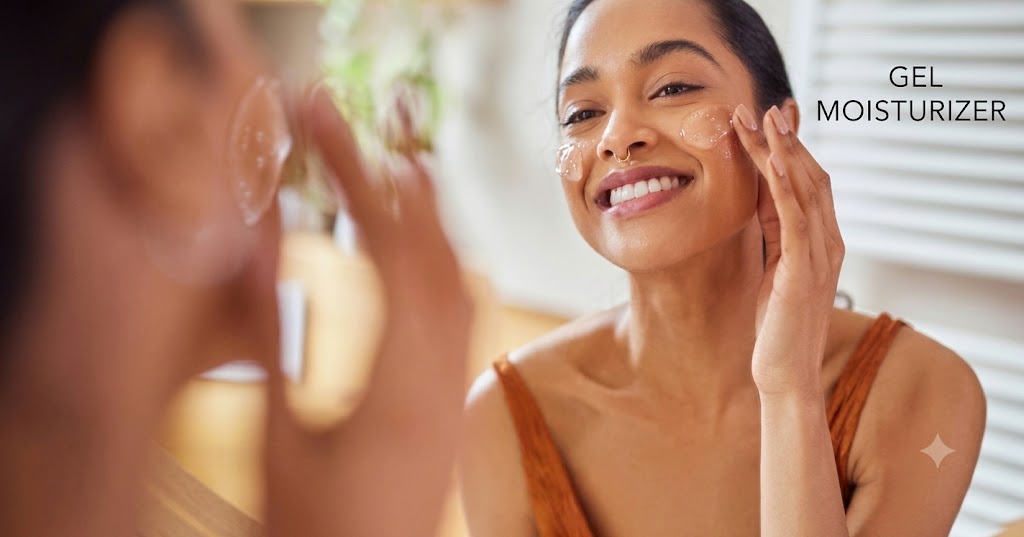

Gel moisturizers have become a go-to for a lot of people, especially those who can’t stand the heavy, sticky feel of traditional creams. The texture is light, it spreads easily, and your skin usually feels fresh right after you put it on. If your skin is oily or combination, a gel formula often feels far more comfortable for everyday use. It’s also a nice pick for warmer months, when thick products can feel like way too much. Look at the label of most hydrating gels and you’ll spot ingredients like hyaluronic acid, aloe vera, and glycerin, which are there because they help skin attract and hold on to moisture.
Of course, taking skin care of your skin doesn’t mean building a long shelf of expensive products. Sometimes a few simple things that actually suit your skin make the daily routine so much easier. A good moisturizer is usually one of them, especially when your skin starts feeling dry, tight, or rough. The tricky part is choosing one. Walk into any beauty store and you’ll find creams, lotions, gels, and water-based formulas all lined up, and it’s hard to know where to begin.
That said, buying a gel moisturizer is only half the story. When you apply it, how much you use, and whether the formula suits your skin type all make a difference. Put on too much, or pick one without thinking about what your skin needs, and the results may not be what you hoped for. But with a few simple habits and the right product, a gel moisturizer can become an easy part of your daily routine, leaving your skin soft, fresh, and comfortably hydrated.
So, What Exactly Is a Gel Moisturizer?

A gel moisturizer is a light, water-based moisturizer with a jelly-like texture. It has very little oil in it. Instead, it leans on hydrating ingredients like hyaluronic acid, glycerin, and aloe vera to draw water into your skin.
You can tell the difference the second it touches your fingers. A cream feels thick and cushiony. A gel feels cool and slippery, a bit like a thick serum, and it’s usually gone from the surface within a minute.
Gel vs. Cream vs. Lotion
| Type | Feel | Oil Level | Works Best For |
|---|---|---|---|
| Gel moisturizer | Light, cooling, jelly-like | Very low | Oily, combination, and acne-prone skin; humid weather |
| Lotion | Thin, milky | Low to medium | Normal skin, daily use |
| Cream | Thick, rich | High | Dry or mature skin, cold weather |
One honest note: a gel hydrates, but it doesn’t lock moisture in as firmly as a cream does. That’s a perk if you’re oily and a limitation if your skin runs dry.
Who Gets the Most Out of a Gel Moisturizer?
Almost anyone can use one, but a few skin types really benefit.
Oily and combination skin. Skipping moisturizer on oily skin tends to backfire. When skin is dehydrated, it often makes more oil to compensate. A lightweight gel gives it water without piling on grease.
Acne-prone skin. Most gels are non-comedogenic, so they’re less likely to clog pores. They’re also a lifesaver if you’re using salicylic acid or benzoyl peroxide, which can leave your face feeling parched and rough.
Hot, humid weather. If you live somewhere like central India, where summers are sticky and monsoons are worse, a heavy cream can feel unbearable. A gel keeps skin comfortable without that “wearing a mask” feeling.
Irritated or sun-tired skin. Aloe-based gels feel soothing after a long day outdoors. There’s a reason so many of us reach for one after too much sun.
What if your skin is dry?
You can still use a gel, just not always alone. In winter, or if your skin flakes even after moisturizing, try the gel first and then a thin layer of cream on top at night. We’ll get to that in a moment.
How to Use a Gel Moisturizer, Step by Step

Technique matters more than the brand on the bottle. Here’s the routine I’d recommend to most people.
1. Start with a gentle cleanse
Use a mild cleanser. If your face feels squeaky after washing, that’s a sign your skin barrier has been stripped, not that it’s “extra clean.” Aim for comfortable, not tight.
2. Don’t dry your face completely
This is the step most people miss. Pat your face with a towel, but leave it slightly damp. Ingredients like hyaluronic acid and glycerin are humectants, which means they grab water. If there’s a little water on your skin, they have something to grab. On completely dry skin, they have much less to work with.
3. Use less than you think
A pea-sized amount is enough for most faces. Go up to a coin-sized amount if you’re also doing your neck. More product doesn’t mean more hydration. It just leaves a tacky layer that feels awful under sunscreen.
4. Press it in
Dot the gel on your forehead, cheeks, nose, and chin, then spread it outward. After that, press your palms gently against your face for a few seconds instead of rubbing. It sounds fussy, but it helps the gel settle evenly, and it’s kinder to sensitive skin.
5. Add sunscreen in the morning
A gel moisturizer isn’t sun protection, even when the label mentions SPF. Give it a minute to settle, then apply a broad-spectrum sunscreen of SPF 30 or higher. The good news is that gels make a smooth base, so sunscreen doesn’t tend to pill or slide around.
Morning and Night Aren’t the Same
Your skin behaves differently during the day than it does overnight, so a small tweak helps.
In the morning, keep it quick: cleanser (or just a splash of water if you’re dry), a serum if you use one, gel moisturizer, sunscreen. A gel also sits nicely under makeup, so foundation doesn’t go patchy by lunch.
At night, your skin repairs itself and loses more water through the barrier. If you use retinol, vitamin C, or exfoliating acids, put those on first, wait a few minutes, and then use your gel to calm things down. If your skin runs dry, follow the gel with a thin layer of a richer cream. Think of it this way: the gel brings the water in, and the cream keeps it from leaving.
How to Layer It with Other Products

The rule is simple. Go from thinnest to thickest.
- Cleanser
- Toner or essence (optional)
- Serum
- Gel moisturizer
- Sunscreen in the morning, or a night cream if you need one
Some pairings work really well. A niacinamide serum under a gel helps with oil control and makes pores look less noticeable. A hyaluronic acid serum adds an extra layer of hydration. And if you’ve just started retinol, a gel is great for easing the dryness and peeling that show up in the first few weeks.
One thing to watch: in very dry air, like a winter morning or a freezing air-conditioned office, humectants alone can sometimes leave skin feeling drier than before. If that happens, add a light cream on top.
How Often Should You Apply It?
Most people do well with twice a day, once in the morning and once at night. If you’re oily, a lighter application at night might be plenty. If you’re on the drier side, you may want to reapply during the day or pair it with a cream.
Instead of following a strict rule, check in with your skin. Tight, dull, or papery an hour after moisturizing? It probably needs more hydration or a sealing step. Sticky, or getting tiny bumps? You’re likely using too much.
Mistakes I See All the Time
- Slathering it on. Gels don’t need a thick layer. Too much just sits there feeling gummy and can attract dust.
- Putting it on bone-dry skin. Slightly damp skin gives much better results.
- Skipping it because your skin is oily. Oily skin still needs water.
- Treating it like a cure-all. A gel moisturizer hydrates. It doesn’t treat acne, fade dark spots, or replace sunscreen.
- Giving up after three days. Skin takes time. Give a new product three to four weeks before judging it, unless it’s causing irritation.
Picking the Right One

Walk into any pharmacy and you’ll find a wall of options, so a quick glance at the label helps.
Ingredients worth looking for
- Hyaluronic acid holds a lot of water and gives skin a plumper feel.
- Glycerin is simple, gentle, and has been trusted for decades.
- Aloe vera is soothing and good for sensitive or sun-exposed skin.
- Ceramides help support the skin barrier.
- Niacinamide helps with oil balance and uneven texture.
- Panthenol (vitamin B5) softens and calms.
What to be careful about
If your skin is reactive, be cautious with strong fragrance, a lot of alcohol, or added menthol. That “icy cool” feeling is nice, but it can irritate some people. Before using something new on your whole face, test a little on your inner forearm or behind your ear for a day or two.
What It Looks Like in Real Life
Picture someone who works in an air-conditioned office. Their forehead gets shiny by noon, but their cheeks feel tight by 4 pm. They use a gel in the morning and sunscreen over it, and later in the day they pat a tiny bit more on just their cheeks. No heavy feeling, no ruined makeup.
Or think of a college student who uses a salicylic acid cleanser for breakouts. The skin around their nose gets rough and flaky. They switch to a gel with glycerin and panthenol, and within a couple of weeks the texture smooths out, without any new pimples.
Neither of these is a miracle story. They’re just what happens when the right product meets the right habit.
A Few Habits That Help It Work Better
A moisturizer can only do so much by itself. These small things make a real difference:
- Skip very hot showers, since they strip natural oils.
- Exfoliate gently, once or twice a week at most.
- Wear sunscreen every day. Sun damage is behind a lot of rough, uneven skin.
- Sleep well, because your skin does most of its repair overnight.
- Drink enough water, though don’t expect it to fix dry skin on its own.
Most people notice softer, more comfortable skin after two to four weeks of using it regularly. Consistency beats fancy products every time.
When It’s Time to See a Dermatologist
If your skin stays dry, itchy, or red even with a good routine, or if you have stubborn acne or patches that won’t go away, see a dermatologist. Eczema, rosacea, and contact dermatitis need proper diagnosis, and no moisturizer can sort that out on its own.
FAQ’s
1. What is a gel moisturizer?
A gel moisturizer is a lightweight skincare product that helps hydrate the skin without leaving a heavy or greasy feeling.
2. Is gel moisturizer good for oily skin?
Yes, lightweight gel moisturizers can work well for oily skin because they provide hydration without a heavy cream-like texture.
3. Can I use a gel moisturizer every day?
Yes, you can use a suitable gel moisturizer daily as part of your morning and evening skincare routine.
4. How do you apply gel moisturizer correctly?
Apply a small amount to clean, slightly damp skin and gently spread it across your face and neck.
5. Is gel moisturizer suitable for dry skin?
Yes, but people with dry skin may need a richer moisturizer or an additional moisturizing layer.


Leave a Reply