

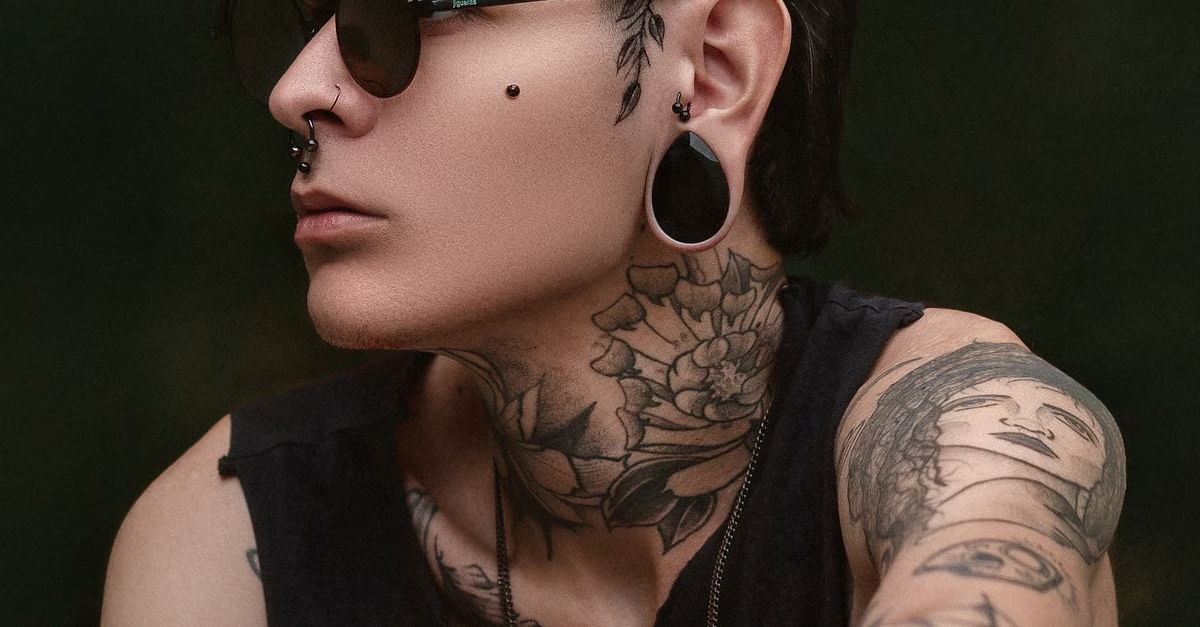

Body art is more than a fashion statement. It is a creative way to express personality, celebrate meaningful experiences, showcase artistic interests, and develop an individual style. From detailed tattoos and delicate piercings to traditional henna designs and temporary body painting, people use body art in different ways to communicate who they are.
Over the years, body art has evolved into a diverse form of personal expression. Modern tattoo techniques, creative piercing combinations, minimalist designs, and culturally inspired artwork have made it possible to explore countless styles. Some people prefer subtle designs with personal meaning, while others choose bold artwork that attracts attention.
Whether you are considering your first tattoo, exploring a new piercing, or simply interested in the latest body art inspiration, understanding different styles and safety practices can help you make informed choices.
What Is Body Art?

Body art refers to artistic practices that use the human body as a medium for decoration, creativity, and self-expression. It includes permanent, semi-permanent, and temporary forms of artwork.
Some forms of body art have existed for centuries and are connected to cultural traditions, ceremonies, and personal identity. Others have developed through contemporary fashion, entertainment, and modern artistic movements.
Common forms of body art include:
- Tattoos: Permanent designs created by placing ink into the skin.
- Piercings: Decorative jewellery worn through openings made in specific body areas.
- Henna art: Temporary patterns created using henna paste.
- Body painting: Artistic designs applied to the skin using suitable body paints.
- Temporary tattoos: Short-term designs that can be removed or naturally fade.
- Scarification: A specialised body modification practice that creates intentional patterns through controlled skin injury and carries significant health risks.
Popular Tattoo Trends and Creative Design

Tattoos remain one of the most recognised forms of body art. They allow people to carry meaningful symbols, artistic illustrations, names, dates, or abstract patterns on their skin.
Modern tattoo culture offers a wide range of designs, making it easier to find something that reflects an individual’s taste.
1. Minimalist Tattoos
Minimalist tattoos focus on simplicity. They often feature fine lines, small symbols, tiny illustrations, or subtle shapes.
Popular ideas include:
- Small stars and moons
- Simple hearts
- Tiny flowers
- Minimal geometric shapes
- Short words or meaningful dates
These designs are popular among people who prefer understated artwork. However, even small tattoos require careful placement and professional application.
2. Fine-Line Tattoos
Fine-line tattoos use delicate lines to create detailed and elegant artwork. Designs may include flowers, animals, portraits, or abstract illustrations.
They are often selected for their refined appearance. Since fine details can soften or blur as tattoos age, choosing an experienced tattoo artist and following aftercare instructions is especially important.
3. Floral and Nature-Inspired Tattoos
Nature-inspired designs remain popular because they can represent growth, strength, beauty, or personal memories.
Common choices include:
- Roses and lotus flowers
- Butterflies and birds
- Leaves and vines
- Mountains and landscapes
- Sun, moon, and celestial designs
A floral tattoo can be designed as a small decorative element or an elaborate composition covering a larger area.
4. Geometric and Abstract Tattoos
Geometric tattoos use lines, circles, triangles, symmetry, and repeated patterns to create visually striking designs.
Abstract tattoos, on the other hand, may combine unusual shapes, brushstroke effects, and artistic elements. These styles appeal to people who enjoy modern and unconventional artwork.
5. Traditional and Cultural Tattoos
Traditional tattoo styles often feature bold outlines, distinctive colour palettes, and recognisable motifs. Some designs also have deep cultural, historical, or spiritual significance.
Before choosing a culturally significant tattoo, it is important to understand its background and avoid using symbols without considering their meaning or cultural context.
Popular Piercing Styles to Explore

Piercings offer another way to explore body art. Jewellery can be selected to match personal style, everyday clothing, or special occasions.
Some people prefer one simple piercing, while others create coordinated combinations using different jewellery styles.
1. Ear Piercings
Ear piercings are among the most common forms of body modification. They include several placement options, such as:
- Lobe piercing: A classic option through the soft lower part of the ear.
- Helix piercing: Located along the upper outer cartilage.
- Tragus piercing: Positioned on the small cartilage area near the ear canal.
- Conch piercing: Placed in the central cartilage area of the ear.
- Industrial piercing: Usually connects two cartilage openings with one piece of jewellery.
A curated ear combines different piercings and jewellery pieces to create a coordinated look.
2. Nose Piercings
Nose piercings are popular in many cultures and fashion communities. Common styles include nostril and septum piercings.
A nostril piercing may feature a small stud or hoop, while a septum piercing passes through the tissue between the nostrils.
Jewellery should be selected according to the piercing’s placement, healing stage, and professional piercer’s advice.
3. Lip and Facial Piercings
Lip and facial piercings can create a distinctive appearance. Examples include labret, eyebrow, and other professionally performed facial piercings.
These placements need careful consideration because jewellery may interact with teeth, gums, facial movement, or surrounding tissue. A professional piercer can explain the potential risks and suitable jewellery options.
4. Body Piercings
Other body piercings may include navel and selected surface piercings. Healing time and complications vary considerably depending on placement, anatomy, jewellery, and aftercare.
It is important to understand the commitment involved before choosing a piercing that may take a long time to heal.
Tattoo vs. Piercing: Understanding the Difference
Tattoos and piercings both allow personal expression, but they involve different procedures and aftercare requirements.
| Feature | Tattoos | Piercings |
|---|---|---|
| Main purpose | Create artwork on the skin | Wear decorative jewellery |
| Procedure | Ink is placed into the skin | A professional creates an opening |
| Style options | Symbols, portraits, patterns and illustrations | Studs, hoops, bars and rings |
| Permanence | Usually permanent | Jewellery can often be removed |
| Healing | Depends on size and placement | Depends on piercing location |
| Maintenance | Skin care and sun protection | Cleaning and jewellery care |
Important: Both procedures involve breaking the skin and carry risks, including infection, allergic reactions, scarring, and other complications. Professional hygiene and proper aftercare are essential.
Henna and Temporary Body Art Ideas
Floral Mehndi Designs 2025 – Simple, Bridal & Trendy Patterns – Hello Swanky Online Pvt. Ltd.
Minimalist Infinity Temporary Tattoo – Etsy Australia
10
Not all body art needs to be permanent. Temporary designs provide an opportunity to experiment with patterns, colours, and placements without making a lifelong commitment.
1. Henna Art
Henna is a traditional form of temporary body decoration used in different cultural celebrations and ceremonies. It is particularly associated with weddings, festivals, and special occasions.
Popular henna patterns include:
- Floral vines and leaves
- Mandala-inspired circles
- Paisley motifs
- Intricate finger patterns
- Traditional geometric designs
Natural henna usually creates an orange-brown to dark reddish-brown stain. Avoid so-called black henna products containing potentially harmful additives such as para-phenylenediamine (PPD), which can cause serious skin reactions.
2. Temporary Tattoos
Temporary tattoos are useful for people who want to test a design before considering permanent ink.
They are available in many styles, including lettering, floral illustrations, symbols, and colourful artwork. Always follow the product instructions and check the ingredients, especially if you have sensitive skin.
3. Body Painting
Body painting turns the skin into a temporary canvas. Artists use products specifically designed for skin to create colourful patterns, fantasy-inspired artwork, or creative designs.
It is often seen at festivals, performances, photoshoots, and artistic events. Only use cosmetic-grade products intended for body application.
How to Choose the Right Body Art Design
Choosing body art is a personal decision. A design that looks attractive online may not necessarily suit your preferences, lifestyle, or expectations.
Consider these factors before making a decision.
1. Understand Your Personal Style
Think about whether you prefer minimalist, traditional, colourful, abstract, or detailed artwork. Looking at different styles can help you identify what feels natural to you.
2. Consider the Meaning
Some people choose tattoos or piercings for aesthetic reasons, while others connect them to important memories, achievements, relationships, or personal beliefs.
You do not need a deep story behind every design. However, understanding why you want it can help you feel more confident about your choice.
3. Think About Placement
The placement of a tattoo or piercing affects its visibility, appearance, and maintenance.
For tattoos, consider the available skin area and how the design may change with time. For piercings, consider anatomy, clothing, daily activities, and healing requirements.
4. Research the Artist or Piercer
Never choose a professional based only on low prices or attractive social media pictures.
Look for:
- A clean and professional studio
- Relevant training and experience
- Proper sterilisation procedures
- Single-use sterile needles where appropriate
- Clear aftercare instructions
- A portfolio of healed work, not just fresh results
5. Avoid Rushed Decisions
Permanent body art deserves careful thought. Take time to review the design, size, placement, and expected results before agreeing to the procedure.
Body Art Safety and Aftercare Tips
Safety is one of the most important parts of any body modification. Tattoos and piercings can cause complications when performed in unhygienic conditions or when aftercare is ignored.
Use the following pointers to reduce avoidable risks.
Important safety pointers:
- Choose a hygienic studio: Check that the workspace is clean and that the professional follows appropriate infection-control procedures.
- Confirm sterile equipment: Needles should be sterile and single-use. Reusable equipment must be properly sterilised.
- Ask about jewellery materials: For new piercings, ask about suitable, implant-grade materials such as titanium.
- Follow professional aftercare: Use the cleaning method recommended by your artist or piercer.
- Avoid unnecessary touching: Always wash your hands before touching a healing tattoo or piercing.
- Do not pick or scratch: Allow the skin to heal naturally.
- Watch for warning signs: Increasing redness, swelling, warmth, severe pain, pus, fever, or spreading redness may indicate infection. Seek medical advice promptly.
Tattoo Aftercare
A new tattoo needs gentle care while the skin heals.
- Follow the artist’s instructions for cleaning and moisturising.
- Wash gently with clean hands and suitable products.
- Avoid picking scabs or peeling skin.
- Protect the area from excessive sun exposure.
- Avoid swimming and soaking the tattoo until it has healed.
- Contact a healthcare professional if signs of infection develop.
Piercing Aftercare
Piercings require consistent care, and healing times vary by location.
- Clean the piercing as directed by your professional piercer.
- Avoid twisting or unnecessarily moving the jewellery.
- Do not change jewellery before it is ready.
- Avoid pressure, friction, and harsh cleaning products.
- Seek professional advice if the jewellery becomes embedded or the area develops concerning symptoms.
Do not remove jewellery from a potentially infected piercing without medical guidance, as the opening may close and complicate drainage.
Body Art Trends Influencing Modern Fashion

Body art continues to influence fashion, beauty, music, and popular culture. Social media platforms have made it easier for artists to share their work and for people to discover new styles.
Some noticeable trends include:
Minimalist and Personal Designs
Small tattoos, subtle symbols, and fine-line artwork remain appealing to people who prefer a clean aesthetic. Personalised designs can also make simple artwork feel distinctive.
Curated Piercing Combinations
Instead of wearing a single piece of jewellery, some people combine multiple ear piercings with coordinated studs, hoops, and other accessories.
Nature-Inspired Artwork
Floral illustrations, butterflies, animals, and celestial designs continue to provide inspiration for tattoos and temporary body art.
Cultural and Traditional Influences
Traditional henna patterns and heritage-inspired designs remain important in celebrations and artistic expression. Greater awareness of cultural meaning can encourage more thoughtful design choices.
Custom Artwork
Many people now prefer collaborating with artists to create original designs rather than selecting a common template. Custom artwork can reflect individual preferences, memories, and creative ideas.
How to Maintain Your Body Art Over Time
Body art can remain an important part of personal style when it receives suitable care.
For tattoos, healthy skin habits can help maintain their appearance. Moisturise regularly, avoid excessive sun exposure, and use broad-spectrum sunscreen on fully healed tattoos.
For piercings, maintain good hygiene and use jewellery appropriate for the piercing. If you experience persistent irritation, consult a qualified piercer or healthcare professional rather than repeatedly changing products yourself.
Temporary body art also needs sensible care. Remove products according to their instructions and stop using them if irritation develops.
Is Body Art Right for Everyone?

Body art is a personal choice, and there is no single style that suits everyone. Some people enjoy permanent tattoos, while others prefer temporary designs or jewellery that can be changed.
Before choosing a procedure, consider your comfort, budget, lifestyle, workplace requirements, and willingness to follow aftercare instructions.
People with certain skin conditions, healing difficulties, allergies, or other health concerns should seek medical advice before getting a tattoo or piercing. It is also important to check local age requirements and consent rules.
The best body art choice is one that makes you feel comfortable, confident, and informed.
FAQ’S
1. What are the most popular types of body art?
Popular types include tattoos, ear and nose piercings, henna designs, temporary tattoos, and body painting. Each offers different ways to express personal style.
2. Are tattoos permanent?
Most traditional tattoos are considered permanent because ink is placed into the skin. Tattoo removal is possible, but it can be expensive, require multiple treatments, and may not completely remove the design.
3. Which tattoo designs are suitable for beginners?
Small minimalist tattoos, simple symbols, fine-line designs, and subtle floral patterns are common starting points. The best choice depends on personal preference and placement.
4. How long do piercings take to heal?
Healing time depends on the piercing location and individual factors. Earlobe piercings may heal within a few months, while cartilage and some body piercings can take considerably longer.
5. Is henna safer than permanent tattoos?
Henna is temporary and does not involve tattoo needles, but it can still cause skin reactions. Natural henna is generally different from black henna products, which may contain harmful chemicals such as PPD.




Leave a Reply