

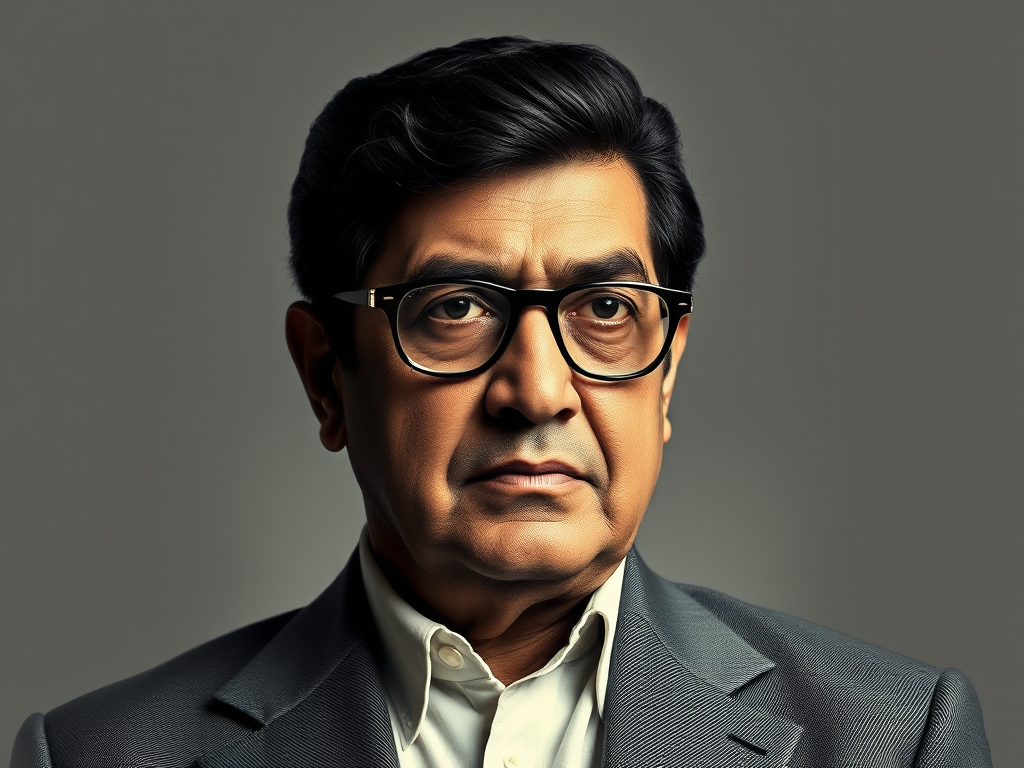


🌟About Manoj Kumar
Manoj Kumar is a name that resonates with excellence, dedication, and influence across various domains in India — from cinema to public service and beyond. Whether you’re exploring Indian film history or researching notable personalities who have contributed significantly to Indian culture, Manoj Kumar stands tall as an iconic figure. In this comprehensive guide, we delve into every facet of his life, career, and legacy.
📌 Basic Profile
- Real Name: Harikrishna Giri Goswami
- Stage Name: Manoj Kumar
- Date of Birth: July 24, 1937
- Place of Birth: Abbottabad, British India (now in Pakistan)
- Profession: Actor, Director, Writer, Producer
- Popularly Known As: Bharat Kumar (for his patriotic roles)
📽️Contributions to Indian Cinema
Beyond acting, Manoj Kumar made his mark as a director, screenwriter, and producer. His storytelling often blended entertainment with a strong moral message, encouraging social change and instilling a sense of national pride. His films were known for:
- Stirring patriotic sentiments
- Powerful dialogues and music
- Portrayals of the Indian middle class and their struggles
His work has inspired generations of filmmakers and actors to use cinema as a vehicle for national consciousness.
🎥 Film Career and Rise to Stardom
Manoj Kumar’s entry into Bollywood began in the late 1950s. His breakthrough came with the film “Hariyaali Aur Rasta” (1962), followed by a series of successful movies including:
- “Woh Kaun Thi?” (1964) – A psychological thriller that established his versatility.
- “Shaheed” (1965) – A biopic of freedom fighter Bhagat Singh, which marked the beginning of his patriotic film journey.
- “Upkar” (1967) – A landmark film inspired by Prime Minister Lal Bahadur Shastri’s slogan “Jai Jawan Jai Kisan”, which he also directed and produced.
- “Purab Aur Paschim” (1970) – A cultural commentary on Western vs. Indian values.
- “Roti Kapda Aur Makaan” (1974) – A powerful social commentary on poverty and dignity.
- “Kranti” (1981) – One of the highest-grossing films of its time, and a tribute to India’s freedom struggle.
He became popularly known as “Bharat Kumar”, for his passionate portrayal of nationalistic themes and characters.
🏆 Awards & Recognition
- Manoj Kumar’s contributions to Indian cinema have been recognized through numerous awards, including:
- Padma Shri – Awarded by the Government of India in 1992 for his contributions to the arts.
- Dadasaheb Phalke Award – India’s highest award in cinema, presented to him in 2016.
- National Film Award – For his direction in Upkar.
- Multiple FilmFare Awards for acting and direction.
👨👩👧 Personal Life and Legacy
• Respected for humility, discipline, and patriotism
• Avoided roles that conflicted with his moral and cultural values
• Remembered as a legend who used film as a tool for national awareness
• Continues to be honored in retrospectives, festivals, and awards

✍️ Style and Influence
Manoj Kumar’s films are characterized by:
- Deeply patriotic themes
- Strong moral and social messages
- A mix of entertainment and didacticism
- Signature camera angles (especially the close-up on his side profile)
🎞️ Conclusion
Manoj Kumar is more than just a celebrated actor; he is a cultural icon whose films continue to inspire patriotism and civic responsibility. His storytelling style, deeply rooted in Indian values, has made him a symbol of national pride. Whether you’re a film enthusiast, a student of Indian history, or someone discovering Bollywood’s golden age — Manoj Kumar’s life and work are essential chapters worth exploring.
#manojkumar #actorcareer #filmindustry #TrendingNow #BreakingNews
#entertainment #drama #carrerbook #anslation



Leave a Reply