


🌿 Introduction: Why Sustainability Is Now a Business Imperative
In today’s climate-conscious world, businesses are under growing pressure to operate more responsibly. Gone are the days when sustainability was merely a nice-to-have. Now, it’s a core strategic pillar. Consumers are increasingly aligning their wallets with their values, and investors are backing companies that consider environmental, social, and governance (ESG) principles.
But what does it really mean to “go green” in the business world? This blog explores how sustainable business practices are not only good for the planet but also smart economics.
🌱 What Are Sustainable Business Practices?
Sustainable business practices refer to strategies that minimize negative environmental impact, promote social responsibility, and ensure long-term economic viability.
These include:
- Reducing carbon emissions
- Utilizing renewable energy sources
- Minimizing waste through circular economy models
- Ethical sourcing and supply chain transparency
- Investing in employee well-being and community development
Sustainability is now viewed not just through an ecological lens but as a holistic approach to doing business.
💼 Why Sustainability Matters in Finance & Business
1. Consumer Behavior Is Changing
According to a Nielsen study, 73% of global consumers say they would definitely or probably change their consumption habits to reduce environmental impact. This shift is forcing brands to rethink their products, packaging, and production lines.
2. Investors Are Prioritizing ESG
BlackRock and other major financial firms have shifted toward ESG investing, with trillions in assets being guided by environmental and social metrics. Businesses that prioritize sustainability score better on risk management and attract long-term investors.
3. Regulatory Landscape Is Evolving
Governments are enforcing stricter environmental regulations. Companies that proactively comply not only avoid fines but often gain a competitive advantage by innovating ahead of mandates.
🔄 Real-Life Examples of Businesses Going Green
✨ Patagonia
Patagonia has built its brand on environmental activism. From using organic cotton to offering repairs on old gear, it walks the talk on sustainability — and has a fiercely loyal customer base because of it.
♻️ Unilever
Unilever’s Sustainable Living Brands — including Dove and Hellmann’s — grow 46% faster than the rest of its portfolio. Its commitment to reducing waste and water usage in production pays off in both environmental and economic terms.
🚗 Tesla
While controversial at times, Tesla helped make electric vehicles mainstream. Their sustainable mission has driven exponential growth and reshaped the auto industry.
🔧 How to Integrate Sustainability Into Your Business
1. Start With an Audit
Identify your current environmental impact — energy use, water consumption, waste generation, and supply chain practices.
2. Set Clear, Achievable Goals
Aim for measurable milestones such as “reduce packaging waste by 30% in 12 months” or “transition to 100% renewable energy by 2027.”
3. Collaborate With Ethical Partners
Work with suppliers and vendors who align with your sustainability values. Transparency here boosts trust with customers and stakeholders.
4. Invest in Green Technology
From cloud-based operations to energy-efficient machinery, technology can reduce costs and your carbon footprint.
5. Educate Your Team
A sustainability culture starts from within. Offer training and involve employees in green initiatives — from recycling programs to volunteering.
📊 The Business Benefits of Going Green
- Cost Savings: Lower utility bills, reduced waste disposal fees, and more efficient operations.
- Enhanced Brand Loyalty: Modern consumers are brand-conscious and cause-conscious.
- Talent Attraction: Millennials and Gen Z seek employers with strong sustainability values.
- Competitive Advantage: Companies that innovate sustainably are better positioned for market shifts and regulatory changes.
🌐 Sustainability and the Digital Age
Digital transformation and sustainability now go hand-in-hand. Businesses are using AI, blockchain, and IoT to:
- Track emissions in real time
- Monitor supply chain ethics
- Optimize logistics for fuel efficiency
Tools like carbon accounting software and lifecycle assessment platforms make it easier to quantify and communicate impact.
🛤️ Looking Ahead: The Future Is Circular
The circular economy is the next big leap. Instead of the traditional “take-make-dispose” model, circular systems reuse, repair, recycle, and regenerate.
Companies like IKEA are piloting furniture take-back schemes, and fashion brands are exploring textile recycling.
In the future, businesses won’t just compete on price or quality — they’ll compete on sustainability.
📌 Conclusion: Be the Change — and the Leader
The rise of sustainable business practices isn’t just about saving the planet — it’s about building resilient, future-forward companies. The brands that embrace sustainability today are the ones that will lead tomorrow.
As the pressure mounts from stakeholders, regulators, and the environment itself, making sustainability a core business strategy is no longer optional — it’s essential.
✍️ Caption:
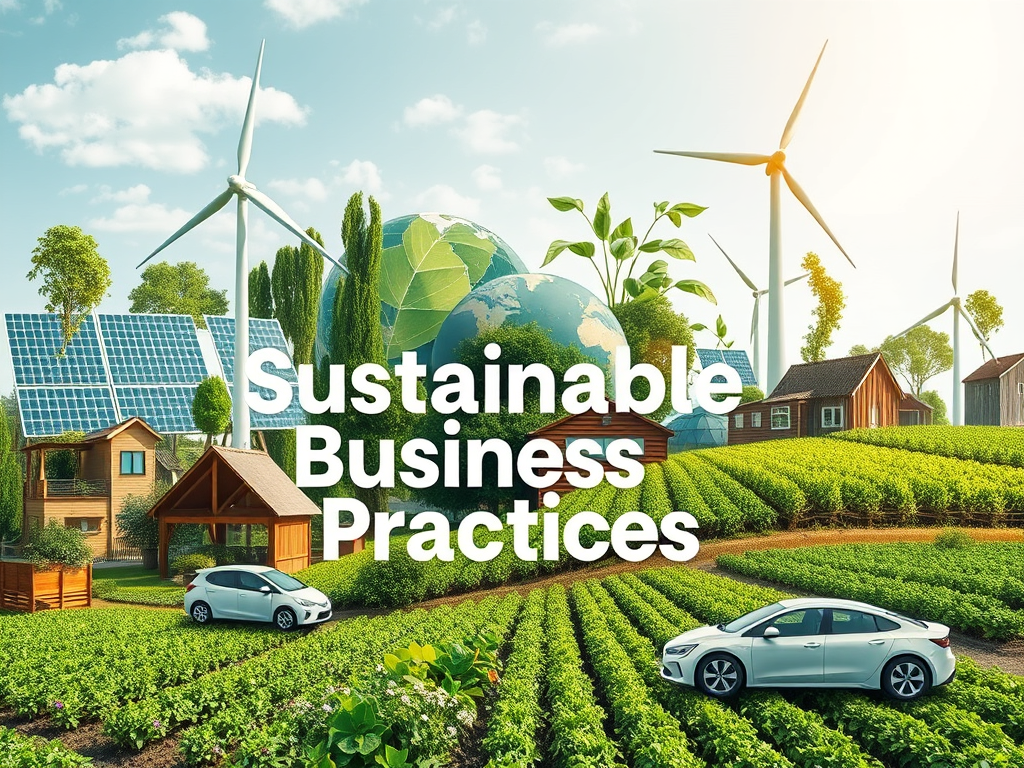
Sustainability isn’t a buzzword — it’s the new blueprint for success in business. Here’s how brands are reshaping the future by going green.
⚠️ Disclaimer
This blog is intended for informational and educational purposes only. The views expressed are personal opinions or general insights, not professional or legal advice. Readers should do their own research or consult relevant professionals before taking action based on this content.
🔖 Hashtags
#SustainableBusiness #GreenEconomy #ESG #CorporateResponsibility #EcoFriendlyBrands #BusinessStrategy #CircularEconomy #GreenInvesting #EthicalBusiness #SustainabilityMatters #FutureOfWork #ConsciousConsumerism #SustainableDevelopment #CleanTech #ResponsibleLeadership
#carrerbook #anslation




Leave a Reply