

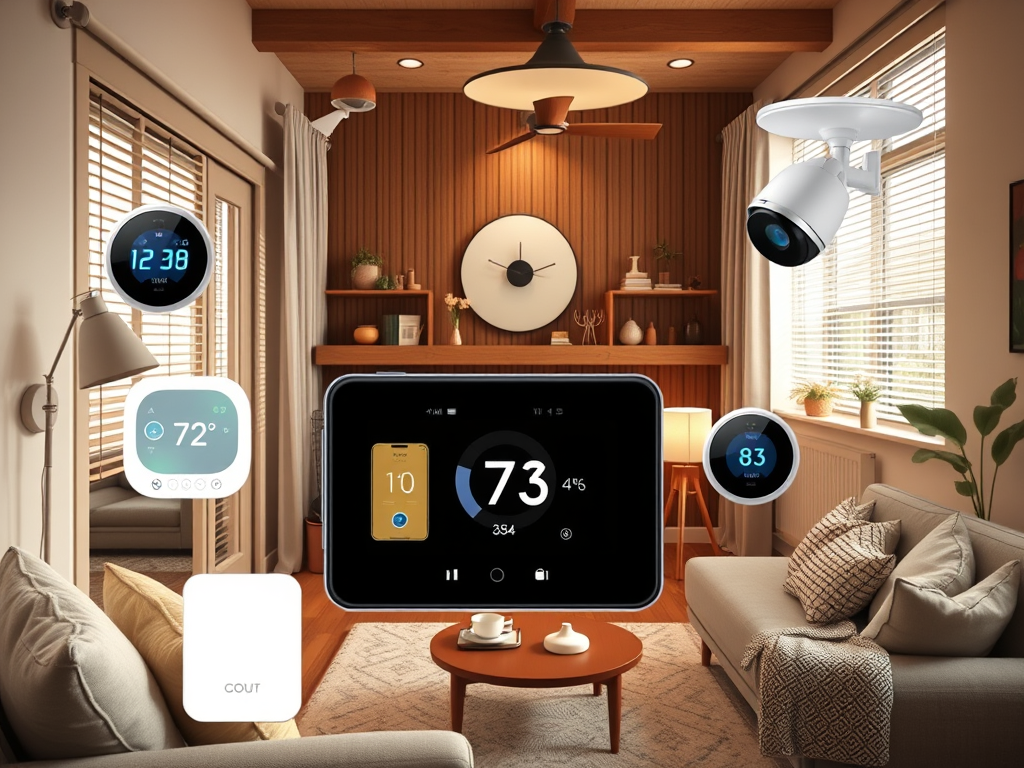

Introduction: What is a Smart Home?
In today’s rapidly evolving world, technology has transformed the way we live, and one of the most exciting innovations is the rise of smart homes. A smart home is not just a buzzword; it’s an intelligent living space designed to make our daily lives more convenient, secure, and energy-efficient. By integrating advanced technologies like Internet of Things (IoT) devices, artificial intelligence (AI), and automation systems, smart homes offer a seamless experience that enhances comfort, convenience, and safety.
From controlling your lights with a voice command to automating your entire home environment, smart homes are changing the way we interact with our living spaces. Let’s explore how smart homes are revolutionizing the way we live and why they are the future of home automation.
How Do Smart Homes Work?
Smart homes rely on connected devices that can communicate with each other through the internet. These devices typically include smart thermostats, security cameras, lighting systems, appliances, and even smart speakers like Amazon Alexa or Google Home. By connecting these devices to a central control hub or smartphone app, users can manage and automate their home’s functions remotely.
For example, you can set your thermostat to adjust automatically based on your routine, ensure the lights turn off when you leave the house, or monitor your front door via a security camera when you’re away.
Key Features of Smart Homes
1. Convenience and Automation
One of the most attractive aspects of a smart home is the level of automation it offers. Imagine waking up to your blinds opening automatically, your coffee brewing, and your thermostat adjusting to the perfect temperature – all without lifting a finger. Smart homes can create routines and schedules based on your lifestyle, making everyday tasks easier and more convenient.
2. Energy Efficiency
Smart homes can also help reduce energy consumption. Devices like smart thermostats and lighting systems can adjust based on occupancy or time of day. This means your home isn’t wasting energy when you’re not around, leading to lower utility bills and a smaller carbon footprint.
For example, if you forget to turn off the lights or adjust the temperature before leaving for work, your smart home system can do it for you.
3. Enhanced Security
Security is another area where smart homes shine. With smart security cameras, motion sensors, and smart locks, you can monitor your home’s safety remotely. Whether you’re at work or on vacation, you can receive real-time alerts if anything unusual happens, and even lock or unlock doors remotely.
Moreover, smart home systems can be programmed to simulate your presence, such as turning lights on and off at random intervals, making it appear as though you’re at home even when you’re not.
4. Improved Accessibility
Smart homes can significantly improve accessibility for people with disabilities or elderly individuals. Voice commands, automated lighting, and remote-controlled devices provide an easy and safe way for everyone to interact with their home environment. For instance, a person with limited mobility can control their entire home through a smartphone app or voice assistant.
Benefits of Smart Homes
1. Increased Comfort
Smart homes are all about comfort. By integrating devices that adjust to your preferences, such as smart lights, smart beds, and climate control systems, your home becomes a personalized haven. Whether it’s adjusting the lighting to match your mood or setting your home’s temperature to the ideal setting, smart technology ensures a comfortable environment at all times.
2. Cost Savings
While the initial investment in smart home technology may seem high, the long-term savings are significant. Energy-efficient devices and automation systems can reduce monthly utility costs, and the improved security features can potentially lower home insurance premiums. Over time, these savings can offset the upfront costs of installing smart home technology.
3. Remote Control and Monitoring
One of the biggest advantages of a smart home is the ability to control and monitor your home remotely. Whether you’re on vacation or simply at work, you can access your home’s systems via a smartphone app, tablet, or computer. This remote control feature gives homeowners peace of mind, knowing they can check in on their home at any time.
The Future of Smart Homes
As technology continues to evolve, the future of smart homes looks even more promising. Artificial intelligence (AI) and machine learning are expected to play a major role in making homes even more intuitive. AI-powered systems could predict your behavior and adjust the home environment accordingly. For example, your smart home might learn your preferred lighting settings at certain times of day or anticipate when you’ll be home based on traffic patterns.
Moreover, the interconnectivity between devices is set to improve, with more gadgets working seamlessly together to create an even smarter, more integrated living experience. From voice-activated appliances to robotic assistants, the possibilities are endless.
Challenges and Considerations
While smart homes offer many benefits, they do come with some challenges. For instance, the high upfront cost of smart home devices and the complexity of setting up and integrating various systems can be barriers for some homeowners. Additionally, there are concerns about privacy and data security, as the devices collect and transmit large amounts of personal information.
It’s also important to ensure compatibility between various smart home devices. Not all devices work well with each other, and choosing the right systems that align with your needs can require some research.
Conclusion
Smart homes are more than just a trend – they’re a revolution in the way we live. By offering convenience, energy efficiency, security, and accessibility, smart homes have the potential to significantly improve our daily lives. While there are some challenges to consider, the benefits far outweigh the drawbacks. As technology continues to advance, smart homes will only become more sophisticated, offering even greater opportunities for automation and personalization.
Embracing a smart home isn’t just about keeping up with the latest trends – it’s about making your home more efficient, secure, and comfortable. If you haven’t considered upgrading to a smart home yet, now is the perfect time to start exploring the possibilities.
#SmartHome #HomeAutomation #IoT #HomeTechnology #SmartDevices #HomeSecurity #EnergyEfficiency #SmartLiving #SmartHomeRevolution #AIinHomes #FutureOfLiving #TechInnovation #HomeImprovement #SmartHomeDesign #SustainableLiving #Anstation #Carrerbook #Heloies
Caption:
Discover how smart homes are changing the way we live, offering convenience, security, and energy savings. Explore the future of home automation today!
Disclaimer:
This blog is intended for informational and educational purposes only. The views expressed are personal opinions or general insights, not professional or legal advice. Readers should do their own research or consult relevant professionals before taking action based on this content.




Leave a Reply