

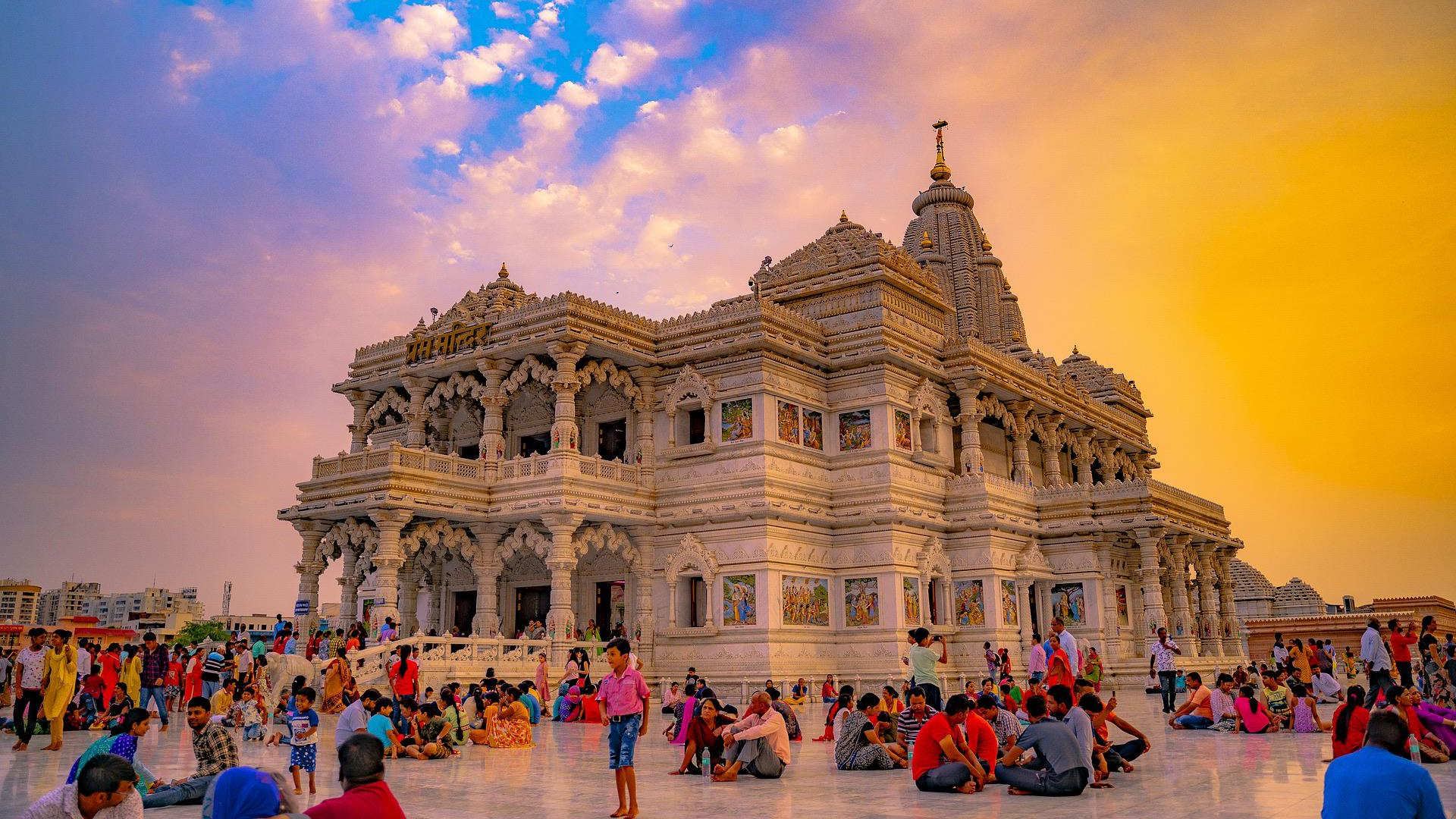

There are places you visit for scenic landscapes, places you visit for the food, and places you visit simply because they anchor you to something far older and larger than yourself. Mathura sits squarely in that final category.
Known around the world as the birthplace of Lord Krishna, this ancient city on the banks of the Yamuna River in Uttar Pradesh operates on a rhythm entirely its own. It is a place where deep mythology, centuries of layered history, vibrant faith, and raw daily life collide. The streets are a sensory overload—bells echo from hidden alleyway shrines, the scent of hot ghee and roasting spices fills the air, and old markets brim with brass idols, flower garlands, and local trade.
Whether you are traveling for spiritual reasons or simply curious about heartland India, a trip to Mathura is less about checking off tourist sites and more about absorbing the atmosphere. This practical guide breaks down what to see, what to eat, how to handle the logistics, and how to make the most of your time in the Braj region.
Core Sights and Experiences in Mathura

1. Shri Krishna Janmabhoomi
For almost every traveler, Shri Krishna Janmabhoomi is the natural starting point. The temple complex marks the site traditionally recognized as the prison cell where Krishna was born. The energy here is palpable year-round, but during major festivals like Janmashtami, it becomes the emotional epicenter of the entire region.
- Practical Tip: Security here is strictly enforced. Leave heavy bags, electronic devices, smartwatches, and camera gear in your hotel room or use the secure locker facilities outside the main gates before queuing up.
2. Vishram Ghat & The Yamuna Riverfront
After navigating crowded temple streets, spending an hour beside the Yamuna offers a needed change of pace. According to local legend, Vishram Ghat is where Krishna rested after defeating the tyrant King Kansa.
- When to Go: Visit at sunrise for a quiet, reflective atmosphere, or return at dusk when priest-led aarti ceremonies bring the riverbank alive with brass lamps, chanting, and floating leaf-diva offerings.
3. Dwarkadhish Temple & The Old Bazaar
Located near the river, the 19th-century Dwarkadhish Temple is famous for its intricate, colorful architecture and lively darshan hours. The real charm, however, lies in the journey to get there. The maze of narrow lanes leading up to the temple is packed with sweet shops, flower vendors, and small stalls selling traditional brassware.
4. Mathura Government Museum

Mathura was once a major hub of ancient Indian art and trade under the Kushan and Gupta empires. Located inside Dampier Park, the Government Museum houses an incredible collection of ancient red-sandstone sculptures, coins, and terra-cotta artifacts belonging to the famous Mathura School of Art. It provides invaluable historical context that goes far beyond religious folklore.
5. Kans Qila & Bhuteshwar Mahadev Temple
To see different sides of the city’s heritage, add these two stops:
- Kans Qila: A ruined fort sitting on the banks of the Yamuna that offers a glimpse into old brick fortifications and river views.
- Bhuteshwar Mahadev Temple: A historic shrine dedicated to Lord Shiva, serving as a reminder that Mathura’s spiritual landscape extends beyond Vaishnav traditions.
Key Excursions in the Braj Region
Mathura rarely exists in isolation for travelers; it serves as the gateway to the wider Braj belt
- Vrindavan: Just a short drive away, Vrindavan is inextricably linked to stories of Krishna’s youth. Highlights include the bustling alleys around the Bankey Bihari Temple, the white marble architecture of Prem Mandir, and the historical riverside at Keshi Ghat.
- Govardhan: Home to the sacred Govardhan Hill, this area attracts pilgrims completing the 21-kilometer walking circuit (parikrama). It offers a much more rustic, traditional look at the region’s living heritage.
Local Food: What to Eat
Food in Mathura is heavily influenced by dairy farming and traditional North Indian culinary styles. Everything is vegetarian, and much of it is prepared using pure ghee.
- Mathura Pedant: Made by slowly condensing milk solids (khoya) with sugar and cardamom until golden brown, these brown sweet morsels are iconic. Buy them fresh from established shops around Chock or the temple bazaars.
- Kachori-Aloo: A classic local breakfast consisting of deep-fried, lentil-stuffed pastry served with a fiery, thin potato gravy (dubki wale aloo).
Practical Planning & Logistics
Best Time to Visit
- October to March: The weather is cool and pleasant, making it ideal for walking through open markets, exploring ghats, and visiting nearby towns without dealing with extreme heat.
- August / September (Janmashtami): The city reaches its absolute peak in terms of energy and decorations. However, expect massive crowds, street closures, and inflated accommodation prices.
- Summer (April to June): Extremely hot, with temperatures often exceeding 40°C. Outdoor sightseeing during midday becomes difficult.
How Many Days Do You Need?
- 1 Day: Enough to cover Shri Krishna Janmabhoomi, Vishram Ghat, Dwarkadhish Temple, and grab local street food.
- 2 Days (Recommended): Allows you to spend Day 1 exploring Mathura’s historical sights, museums, and riverbanks, and Day 2 exploring Vrindavan or Govardhan without rushing.

Getting Around
On Foot: Walking is by far the best way to navigate the tight lanes of the old city surrounding Dwarkadhish Temple and the bazaars.
Auto-Rickshaws & E-Rickshaws: Abundant and inexpensive for point-to-point travel between major sites (e.g., from the railway station to the Janmabhoomi complex or out to Vrindavan). Always agree on the fare before getting in.
Dress Code & Local Etiquette
- Modest Dress: As Mathura is a major spiritual center, wear clothing that covers your shoulders and knees out of respect for local customs.
- Footwear: You will be removing your shoes frequently at temples and ghats. Wear easily removable slip-on shoes or sandals.
- Watch Out for Monkeys: The old areas of Mathura and Vrindavan have a large population of rhesus macaques known for snatching loose items. Keep your eyeglasses, sunglasses, food bags, and mobile phones secured inside a zipped bag while walking in temple lanes.
Mathura rewards travelers who slow down. Rather than trying to rush through a long list of sights, take time to sit by the river, navigate an alleyway market, and let the historical weight of the city settle around you.
What to Wear
Mathura is a religious destination, so modest and comfortable clothing is a sensible choice.
Lightweight traditional clothing can be particularly comfortable and appropriate, but you don’t have to dress formally.
The most important thing is choosing clothes that allow you to walk comfortably and handle the weather.

Comfortable footwear is especially useful because you’ll likely spend time walking through temple areas and markets.
If you’re visiting multiple religious sites, remember that some places may have specific dress or entry requirements.
FAQ’S
1. What is Mathura famous for?
Mathura is best known as the birthplace of Lord Krishna and its temples, ghats, and rich cultural heritage.
2. What are the best places to visit in Mathura?
Shri Krishna Janmabhoomi, Vishram Ghat, Dwarkadhish Temple, Government Museum, and Kans Qila are popular attractions.
3. How many days are enough for a Mathura trip?
Two days are usually enough to explore Mathura and visit nearby places such as Vrindavan.
4. What is the best time to visit Mathura?
October to March is generally comfortable for sightseeing, while festival periods are ideal for experiencing special celebrations.
5. What food is Mathura famous for?
Mathura is especially famous for its traditional peda, along with a variety of local sweets and North Indian snacks.



Leave a Reply