

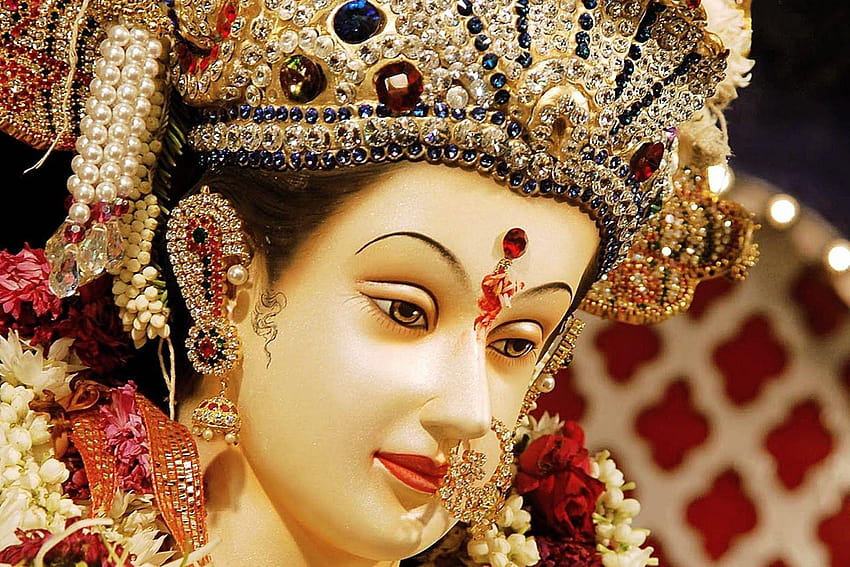

Navratri isn’t just a festival of celebration and colors. It’s a deeply spiritual time observed by millions in India and around the world. This nine-day festival is dedicated to Goddess Durga and her nine forms. Each form symbolizes different qualities, such as courage, wisdom, and prosperity. During Navratri, people strive to connect with their inner powers and achieve spiritual growth.
The special significance of Navratri
Navratri is celebrated twice a year, but the most famous is Sharad Navratri, which usually falls in September or October. It symbolizes the victory of good over evil. According to Hindu mythology, Goddess Durga killed the demon Mahishasura during this time. This story is not just history, but a reminder that with faith and determination, we can overcome even the challenges in life.
Nine days, nine forms of the Goddess
Each day of Navratri is dedicated to a specific form of Goddess Durga. Devotees perform puja, chant mantras, and fast during these times. For example, the first day is dedicated to Shailputri, who symbolizes strength and courage. The ninth day is dedicated to Siddhidatri, who represents spiritual wisdom and perfection. By observing these rituals, devotees connect with the positive energy of the Goddess.
Each day of Navratri is dedicated to a particular form of Goddess Durga. Each day has its own spiritual and symbolic significance.
1. Shailaputri (Shailaputri)

- Meaning and Identification: Shailputri means ‘daughter of the mountain.’ She is the first form of Goddess Parvati.
- Appearance and Symbol: This goddess wears white clothes and holds a trident and a lotus in her hands.
- Special Powers: Provides courage, strength and stability.
- Meaning: Shailputri teaches us that difficulties in life can be overcome only through stability and determination.
- Method of worship: Milk, flowers and fruits are offered.
2. Brahmacharini

- Meaning and Identification: Brahmacharini means ‘Goddess of penance and restraint’.
- Appearance and Symbol: This goddess is dressed in red or white clothes, holding a Rudraksha rosary and a lotus in her hand.
- Special Powers: Self-control, austerity and spiritual progress.
- Meaning: Brahmacharini teaches us to maintain balance in life with restraint and patience.
- Method of worship: The Goddess is worshipped through meditation and fasting.
3. Chandraghanta

- Meaning and Identification: Chandraghanta means ‘one who has a moon bell on her forehead’.
- Appearance and Symbol: This goddess is dressed in yellow clothes and holds weapons in her hands.
- Special Powers: Courage, bravery and the power to dispel fear.
- Meaning: Chandraghanta removes fear and negativity and fills courage in life.
- Method of worship: Mantras are chanted and devotional songs are sung.
4. Kushmanda

- Meaning and Identification: Kushmanda means ‘creator of the universe’.
- Form and Symbol: This goddess has eight arms and holds lotus, mace and chakra in her hands.
- Special Power: Energy, health and positivity in life.
- Meaning: Kushmanda teaches us that it is important to maintain energy and enthusiasm in life.
- Method of worship: Light food and fruits are offered.
5. Skandamata

- Meaning and Identification: Skandamata is the mother of Lord Kartikeya (Skanda).
- Form and Symbol: This goddess has four arms and holds Lord Skanda in her lap.
- Special power: Mother’s love, compassion and power as a mother.
- Meaning: Skandamata teaches us the spirit of motherhood, affection and care for life.
- Method of worship: Milk, halwa and flowers are offered.
6. Katyayani

- Meaning and Identification: Katyayani is the goddess who destroys evil and demons.
- Form and Symbol: A brilliant form, holding a sword and trident in hand.
- Special Power: Courage and freedom from evil.
- Meaning: Katyayani teaches us to overcome the negativities of life and fight with strength.
- Method of worship: Goddess’s blessings are obtained through fasting and special worship.
7. Kalaratri

- Meaning and Identification: Kaalratri means ‘Goddess like night in darkness’.
- Appearance and Symbol: Dressed in black, holding a sword and a Rudraksha rosary.
- Special Power: Eliminates fear and destroys negativity.
- Meaning: Kaalratri gives us the strength to face our fears and darkness.
- Worship method: Worship at night with special mantras and hymns.
8. Mahagauri

- Meaning and Identification: Mahagauri means ‘very beautiful and holy goddess’.
- Appearance and Symbol: Dressed in white, with a lotus in his hand and a serene face.
- Special Power: Peace, purity and beauty.
- Meaning: Mahagauri teaches us to maintain peace and purity in life.
- Method of worship: Light fast and meditation on the Goddess.
9. Siddhidatri

- Meaning and Identification: This goddess is considered to give all the Siddhis.
- Appearance and Symbol: Eight-armed, holding various garments and weapons.
- Special Power: Knowledge, success and perfection.
- Meaning: Siddhidatri is a symbol of success and spiritual progress in life.
- Puja Vidhi: Special puja and blessings on the last day.
Spiritual Practices During Navratri
During Navratri, people engage in spiritual practices such as fasting, meditation, and prayer. Fasting is not merely about abstaining from food, but rather, it is a way to purify the mind and body, allowing devotees to focus on their spiritual journey. Devotional songs, dances, and community events are also part of the festival. These activities foster a sense of unity and shared devotion.
The Deep Message of Navratri

Beyond the festivities and rituals, Navratri carries an important message. It promotes self-discipline, introspection, and gratitude. It reminds us to overcome negativity within ourselves and cultivate qualities like patience, humility, and compassion. It is an opportunity to pause in our busy lives and connect with a greater power.
Navratri in everyday life
Even if you can’t follow all the traditional rituals, you can still incorporate the spirit of Navratri into your everyday life. Practicing meditation, showing kindness to others, or taking time for introspection are small but powerful ways to do so. These simple actions can have a positive impact on both your spiritual journey and overall well-being.
| Day | name of the goddess | Strengths/Qualities | Symbols/Forms | Method of worship |
|---|---|---|---|---|
| 1 | Shailputri | Courage and stability | White clothes, trident and lotus | Offering milk, fruits and flowers |
| 2 | Brahmacharini | Abstinence and penance | Red/white clothes, Rudraksha beads | Meditation, chanting and fasting |
| 3 | Chandraghanta | Bravery and fearlessness | Yellow clothes, weapons | Chanting mantras and devotional songs |
| 4 | Kushmanda | Energy, health and positivity | Eight arms, lotus and mace | Light food and fruit offerings |
| 5 | Skandamata | Motherhood and affection | Lord Skanda in the lap | Offering milk, pudding and flowers |
| 6 | Katyayani | Destruction of evil, courage | Sword and trident in hand | Fasting and special prayers |
| 7 | Kaalratri | Eliminate fear and negativity | Black clothes, sword and Rudraksha | Mantras and hymns at night |
| 8 | Mahagauri | Peace, purity and beauty | White clothes, lotus | Light fasting and meditation |
| 9 | Siddhidatri | Knowledge, success and fulfillment | eight arms, weapons | Special puja and blessings on the last day |
#Navratri2025 #DurgaMaa #NineDaysOfNavratri #Shailputri #Brahmacharini #Carrerbook#Anslation#Chandraghanta #Kushmanda #Skandamata #Katyayani #Kalaratri #Mahagauri #Siddhidatri #NavratriVibes #FestiveSeason #SpiritualJourney #IndianFestivals #Devotion #GoddessDurg


Leave a Reply