


Spotify Surprised Users With a New Logo
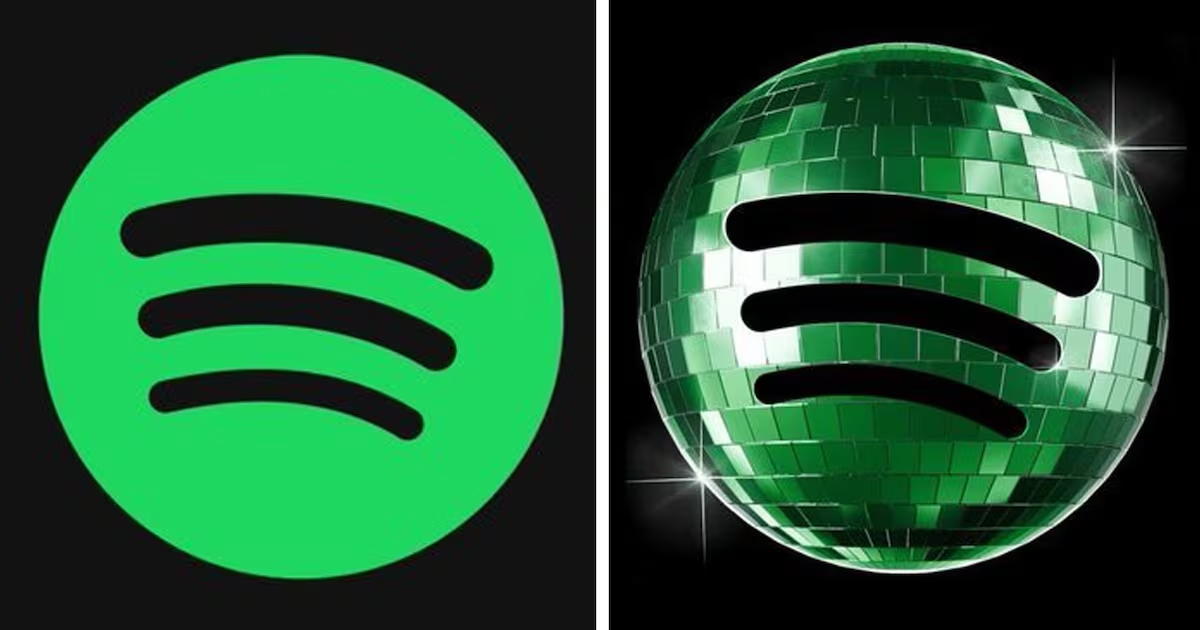
Spotify is celebrating its 20th anniversary with a bold new visual update that has instantly gone viral across social media. This week, many users noticed the streaming platform replaced its classic black-and-green logo with a sparkling disco ball-inspired design. The sudden change immediately sparked online discussions, with fans sharing screenshots, memes, and reactions across platforms like X, Instagram, Reddit, and TikTok. While some users praised the redesign for being creative and nostalgic, others criticized it, saying the icon looks confusing or resembles a phone system update notification.
One user on X wrote, “Spotify updated their logo today. If it’s only temporary for the 20th anniversary, acceptable. If it’s permanent, absolutely not for me.” The mixed reactions have only increased the visibility of the new logo, helping it trend worldwide.
Why Spotify Changed Its Logo

The logo redesign is part of Spotify’s 20th anniversary celebration. The company introduced the disco ball design to symbolize music, celebration, nightlife culture, and the shared experience of listening together. According to Spotify, the campaign is meant to honor the fans who discovered music through the platform, the artists who shaped culture, and the millions of listeners who connected through streaming over the past two decades.
Spotify said in a statement, “The last 20 years have been defined by the fans who discover, the artists who shape culture, and the world that listens together. Here’s to the next 20—it’s all about you.” However, the company has not yet confirmed whether the disco ball logo is a permanent redesign or simply a temporary anniversary update.
Social Media Reactions Are Divided
As expected with any major branding change, internet reactions have been mixed. Some users love the retro-inspired look and believe it perfectly matches Spotify’s music-focused identity. Others argue that the shimmering logo looks blurry, outdated, or visually distracting. Several users joked that the app icon appears like a broken screen effect or an unfinished software update.
Despite the criticism, the redesign has accomplished one major goal — it got people talking. Modern brands often use temporary visual changes to create online engagement, and Spotify’s anniversary logo has successfully generated massive discussion and free social media exposure worldwide.
Spotify Introduced “Spotify 20: Your Party of the Year(s)”

Alongside the logo change, Spotify also launched a new personalized in-app experience called “Spotify 20: Your Party of the Year(s).” The feature allows users to revisit their entire Spotify listening history from the day they first joined the platform. Similar to Spotify Wrapped, the experience presents listening data using colorful graphics and shareable social media cards.
Users can see details such as their first streamed song, total songs played, most-streamed artist of all time, and personalized playlists featuring their top tracks over the years. Spotify also created a “Top 120 Songs” playlist that highlights listeners’ favorite music throughout their history on the platform.
The feature appears directly on the Spotify mobile app homepage. If users do not see it automatically, they can manually search for “Spotify 20” or “Party of the Year(s)” within the app.
How Users Can Access Their Spotify Anniversary Stats
To access the anniversary feature, users need to open the Spotify mobile app and look for the Spotify 20 banner on the homepage. If the feature does not appear, updating the app through the Apple App Store or Google Play Store may help. Users can also manually search for “Spotify 20” inside the app to launch the experience.
The personalized recap is designed to encourage sharing, similar to Spotify Wrapped, making it another strong social media marketing move by the company.
Spotify’s 20-Year Journey in Music Streaming


Spotify was founded in 2006 by Swedish entrepreneurs Daniel Ek and Martin Lorentzon. Although the company started in 2006, the platform officially launched in 2008 before expanding to the United States in 2011. At a time when music piracy and illegal downloads were major problems for the industry, Spotify introduced a streaming model that gave users instant access to millions of songs through subscriptions and ad-supported listening.
Over the years, Spotify transformed the way people consume music. The platform expanded beyond music streaming into podcasts, audiobooks, personalized playlists, and AI-powered recommendations. Today, Spotify is one of the world’s largest and most influential audio streaming services, with hundreds of millions of active users globally.
Why the New Spotify Logo Became So Viral
There are several reasons why Spotify’s new logo spread so quickly across the internet. First, Spotify has massive global brand recognition, so any visual change immediately grabs attention. Second, people feel emotionally connected to music and associate Spotify with personal memories, favorite artists, workouts, road trips, relationships, and life experiences. Because of that emotional connection, even small branding updates generate strong reactions.
Another reason is the popularity of nostalgia-based marketing. Retro-inspired designs and vintage aesthetics are currently trending online, and Spotify’s disco ball logo fits perfectly into that trend. The company also combined the redesign with a personalized anniversary feature, creating the perfect recipe for viral engagement and social media sharing.
FAQ
Why did Spotify change its logo?
Spotify changed its logo to celebrate its 20th anniversary.
Is the new Spotify logo permanent?
Spotify has not confirmed whether the logo change is temporary or permanent.
What does the new Spotify logo represent?
The disco ball design represents music, celebration, and party culture.
Why is the new Spotify logo trending?
The sudden redesign sparked massive reactions and debates on social media.
What is “Spotify 20: Your Party of the Year(s)”?
It is a personalized feature showing users their Spotify listening history and stats.



Leave a Reply