

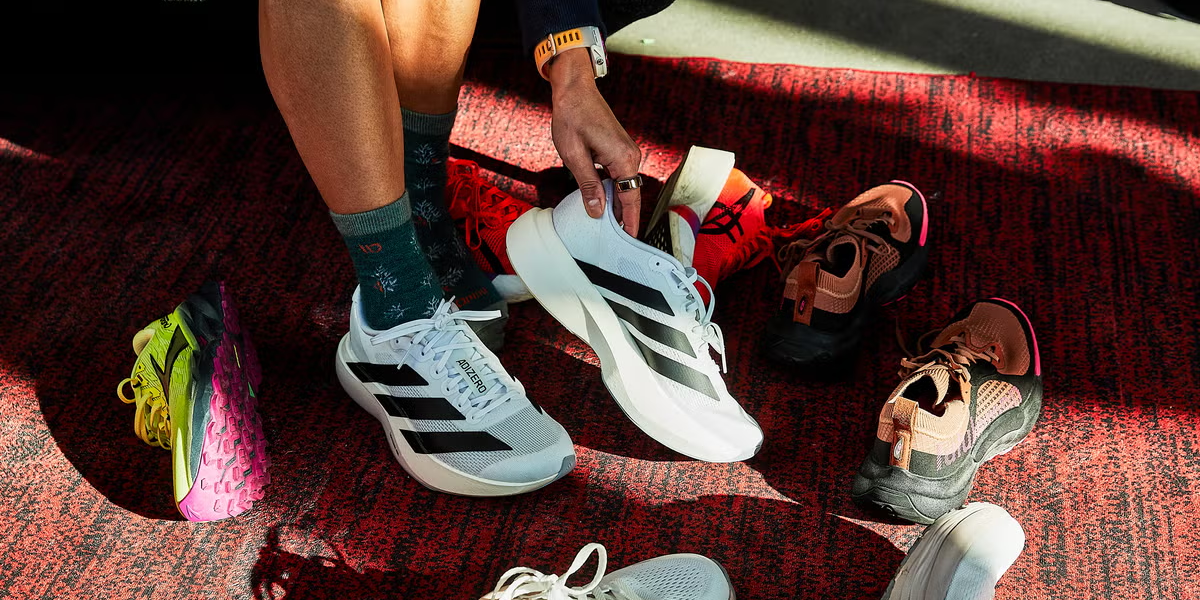

Let’s be honest: running is one of the absolute best ways to clear your head, build fitness, and get moving. But whether you are gearing up for your very first 5K, training for a marathon, or just jogging around the block to blow off some steam, there is one piece of gear that can completely make or break your experience—your shoes.
Too often, people pick a pair of running shoes based purely on how cool they look on the shelf, only to end up with blisters, sore arches, or aching knees a few weeks later. The truth is, the right pair of shoes does more than just protect your feet; it transforms how running feels.
Running shoe technology has gotten incredibly smart. Brands are doing amazing things with cushioning, stability, and energy-return foams, meaning there is a perfect shoe out there for everyone. However, with so many options, finding “the one” can feel a bit overwhelming.
This guide breaks down exactly what to look for so you can find a pair that supports your goals, your unique stride, and your comfort.
Why Your Choice of Running Shoes Actually Matters

Every time your foot hits the pavement, your body absorbs a significant amount of impact. Over time, that repetitive stress adds up. If you are wearing flat or unsupportive sneakers, your feet, ankles, and knees have to take the brunt of that shock.
A high-quality running shoe acts as a personal shock absorber. It cradles your foot, supports your natural stride, and distributes impact evenly.
Tip for Beginners: Don’t think you need to be a pro to invest in good shoes. Beginners actually need proper support the most because comfortable feet make it much easier to stay motivated and build a consistent running habit.
Decode Your Running Style: Pronation and Foot Strike
Before you hit the store or add a pair to your online cart, it helps to understand how your body moves. Everyone runs a little differently.
- Foot Strike: Some runners land heavily on their heels, while others strike the ground with their midfoot or forefoot.
- Pronation: This refers to how your foot rolls inward as it moves from heel to toe. Some feet roll inward too much (overpronation), some roll outward (supination or underpronation), and others stay perfectly balanced (neutral).
Modern running shoes are engineered to complement these exact movements. Knowing your style helps you choose a shoe that works with your body rather than against it.
The Golden Rule: Comfort Over Everything
If you take only one piece of advice from this guide, let it be this: never sacrifice comfort for aesthetics. A great running shoe should feel amazing the very first second you put it on. Forget the myth that you need to “break them in”—if they pinch, rub, or squeeze your feet in the store, they will do the exact same thing on the road.
What to Look for During a Try-On
- The Toe Box: You should have about a thumb’s width of space between your longest toe and the front of the shoe. Your toes need room to splay out as you push off the ground.
- The Heel Lock: Your heel should feel snug and secure, without slipping up and down as you walk or jog.
- No Hot Spots: There shouldn’t be any weird pressure points, tight bands, or stiff seams rubbing against your skin.
Finding Your Ideal Cushioning Level

Cushioning is one of the most talked-about features in running gear today. Some shoes feel like you are walking on clouds, while others feel firm and springy. Neither is objectively better; it all comes down to what feels right for you.
- Maximal Cushioning: Great for long-distance runners, recovery days, or anyone looking to minimize joint impact. It offers a super soft, plush ride.
- Minimal or Responsive Cushioning: Preferred by speed-focused runners or those who like to “feel the ground.” These shoes are lighter, stiffer, and give you a quicker, snappier push-off.
Stability vs. Neutral Shoes: What Do You Need?
Not everyone needs the same level of structural support built into their footwear.
- Neutral Shoes: Best for runners whose feet don’t roll excessively. They focus entirely on cushioning, lightweight materials, and natural foot movement.
- Stability Shoes: Designed with built-in support mechanisms (like firmer foam posts or guide rails) to prevent your feet from rolling inward too much. They keep your stride aligned and reduce unnecessary strain on your ankles and knees.
Don’t Forget About Breathability
When you run, your feet generate a massive amount of heat and moisture. Shoes made with heavy, suffocating fabrics are a fast track to painful blisters, hotspots, and unpleasant odors.
Look for shoes that feature lightweight, engineered mesh uppers. Good airflow keeps your feet cool, dry, and comfortable, which is a massive game-changer—especially during hot summer workouts.
Terrain Matters: Road Running vs. Trail Running Shoes
Where do you plan to do most of your mileage? Matching your shoe to your running surface is essential for both your safety and the lifespan of the shoe.
| Feature | Road Running Shoes | Trail Running Shoes |
| Best For | Pavement, asphalt, treadmills, and track surfaces. | Dirt paths, rocky trails, mud, and gravel. |
| Outsole | Smooth, flat rubber designed for traction on hard, flat surfaces. | Deep, aggressive rubber lugs designed to grip loose dirt and mud. |
| Protection | Lightweight and flexible to maximize speed and comfort. | Reinforced toe caps, rock plates, and durable uppers to shield against rocks and roots. |
Matching Your Shoes to Your Weekly Mileage
Are you sprinting on a track, hitting rugged trails, or logging long miles on concrete? The frequency and distance of your runs should dictate your final choice.
- Short & Fast Runs: Look for a lightweight, flexible shoe that lets you pick up the pace effortlessly.
- Long-Distance Training: Prioritize deep cushioning and durable outsoles that will protect your feet over hours of continuous movement.
- The Multi-Shoe Rotation: Many regular runners keep a couple of pairs in their closet—one heavily cushioned pair for daily recovery jogs, and a lighter, faster pair for tempo workouts and race days.

The Pro Guide to Running Shoe Sizing
Here is a secret that many new runners learn the hard way: your running shoe size is almost always larger than your casual shoe size. When you run, the repetitive impact causes your feet to swell and expand. If your shoes fit exactly like your everyday loafers or sneakers, your toes will repeatedly smash against the front of the shoe, leading to bruised or missing toenails.
Expert Recommendation: Always shop for running shoes late in the afternoon or evening when your feet are naturally at their largest. Bring the exact socks you plan to run in, and consider sizing up a half-size from your standard measurement to give your feet the breathing room they need.
Knowing When It’s Time to Say Goodbye

Even the highest-quality running shoes have an expiration date. Just because the outside of the shoe looks clean and the laces are intact doesn’t mean the inside is still doing its job. Over time, the internal foam compresses and completely loses its ability to absorb shock.
Signs your shoes are worn out:
- You start noticing new, random aches in your shins, knees, or arches after a run.
- The tread or lugs on the bottom of the shoe are worn flat or smooth.
- The shoe feels stiff, dead, or unforgiving when you step down.
Frequently Asked Questions
1.How do I know if a running shoe fits properly?
Your heel should stay securely in place without slipping up and down, and you should have about a half-inch of space in the front to comfortably wiggle your toes. The shoe should feel great immediately without requiring a painful “break-in” period.
2.Are running shoes actually different from lifestyle sneakers?
Yes, absolutely. Lifestyle sneakers are built for low-impact walking and visual style. Running shoes are specifically engineered with advanced impact-absorption foams, targeted arch support, and flexible materials designed to handle the intense, repetitive, forward-moving stress of running.
3.How often should I replace my running shoes?
While it depends on your weight, running style, and surface, a general rule of thumb is to replace your running shoes every 300 to 500 miles. If you don’t track your mileage, watch out for flat cushioning or sudden joint soreness.
4.Is more cushioning always better?
Not necessarily. It is entirely a matter of personal preference. Extra foam is fantastic for comfort, joint protection, and long distances, but some runners prefer a firmer, lower-profile shoe because it offers better ground feel, stability, and speed.
5.Can a total beginner wear high-tech running shoes?
Yes! High-quality running technology isn’t just for professionals or marathon veterans. Beginners can greatly benefit from the extra protection, impact reduction, and injury prevention that modern running shoes offer.



Leave a Reply