

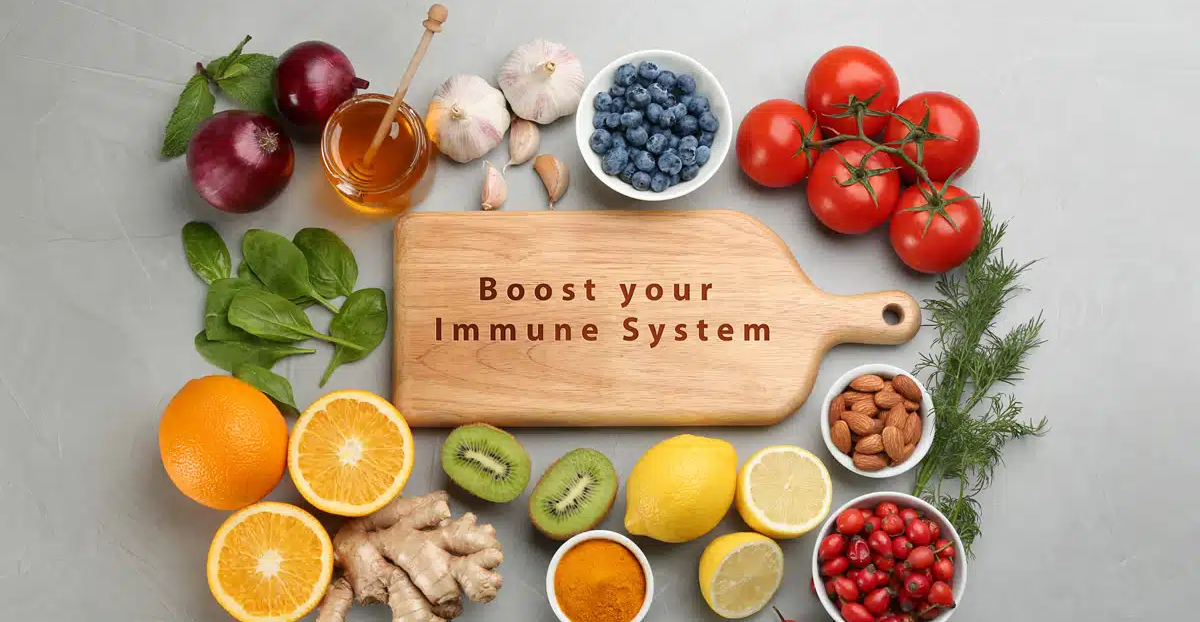

There is a quiet, rhythmic truth to how our bodies interact with the world: what we put into ourselves becomes the very fabric of our lives. In our fast-paced, modern routine, it’s entirely too easy to treat food like a chore or an afterthought—fuel for a machine. But our health is our most vibrant asset. It is the steady warmth that carries us through crisp mornings, the clarity that helps us focus on our deepest passions, and the physical resilience that shields us from getting worn down. While movement and deep, restorative sleep are essential pieces of the puzzle, our relationship with food is the actual soil from which our vitality grows.
Every single bite we take is an exchange of information with nature. Highly processed foods act like a sudden, erratic gust of wind—giving us a fleeting burst of energy before dropping us into a heavy exhaustion. Whole, real food, on the other hand, mimics the slow, reliable rising of the sun, fueling our cells steadily throughout the day. When we deliberately choose nutrient-dense foods, we aren’t just counting calories; we are actively feeding our immune defenses, clearing our mental fog, and listening to what our bodies truly need to bloom.
The Vibrant Greens and Sun-Kissed Fruits
When you look at a plate of deep, leafy greens—like spinach, kale, or wild Swiss chard—you are looking at captured sunlight and rich earth. These plants are overflowing with iron, magnesium, and active antioxidants. The iron within them acts like a quiet river, carrying oxygen through our blood, washing away that heavy, midday fatigue, and making us feel physically grounded. Because they are packed with natural fiber, they gently stabilize our blood sugar, keeping our moods and energy levels steady.
Then there are the bright, sun-kissed citrus fruits. Oranges, lemons, and grapefruits feel inherently therapeutic, especially when the weather turns cold. Their heavy dose of vitamin C wakes up our internal defenses, prompting the body to create the white blood cells needed to fend off seasonal bugs. Beyond the immune shield, their refreshing, juicy crunch provides an immediate, clean wave of hydration and natural sugars that revives a tired mind.
In the same vein, tiny berries—blueberries, strawberries, and blackberries—are like little bursts of wilderness. They carry a deep, dark color that comes from antioxidants, which work tirelessly to soothe internal inflammation and protect our cells from the daily wear and tear of stress. Because they yield their sugars slowly, they provide an incredibly reliable source of stamina without a jarring crash.
Strength from the Sea, the Earth, and the Soil

If you’ve ever felt that deep, grounded stamina that keeps you going for hours, it often traces back to the sustaining power of healthy fats and proteins. A small handful of almonds, walnuts, or chia seeds provides a dense, comforting source of energy. The vitamin E and healthy fats found in these seeds nurture our brain function and heart health, acting like a slow-burning log on a campfire to keep us warm and alert all afternoon.
From the cold, deep waters of our oceans, fatty fish like salmon, mackerel, and sardines offer us omega-3 fatty acids. These clean fats are incredibly effective at calming the internal noise of inflammation, allowing our immune systems to rest and repair. Coupled with clean, high-quality protein, eating from the sea helps repair our muscles and builds long-lasting physical endurance.
Back on land, eggs represent one of the most elegant packages of pure nutrition nature has ever designed. Starting a morning with them provides the body with vitamins B12 and D, selenium, and choline. It gives us a profound sense of fullness and focus, anchoring our morning so we can step out into the world feeling sharp and prepared.
Cultivating the Inner Ecosystem and Earthy Roots
We often forget that we harbor a vast, microscopic ecosystem right inside our gut, and a massive portion of our immune strength lives there, deeply connected to how we digest. Fermented foods like tangy yogurt, kefir, rich kimchi, and sauerkraut are teeming with live, friendly cultures. When we eat these living foods, we are essentially tending to an inner garden, balancing our digestion so our whole body can absorb nutrients efficiently and fight off illnesses with ease.
To keep that inner fire burning steadily, we need the earthy comfort of whole grains—things like steel-cut oats, wild quinoa, and brown rice. Unlike refined, stripped grains that cause our energy to spike and shatter, these complex grains retain their natural fiber and B vitamins. They unroll their energy slowly across the hours, honoring the natural pace of our metabolism.
And we cannot overlook the pungent, aromatic roots that humans have turned to for medicine since the dawn of time:
- Garlic: With its sharp, fiery kick, garlic contains compounds like allicin that act as a natural shield, helping our bodies run off unwanted bugs while adding an unmatched richness to our home-cooked meals.
- Ginger: Warming and intensely aromatic, a cup of steeped ginger tea during the damp flu season treats the body to bioactive compounds that settle an uneasy stomach and quiet down inflammation.
- Sweet Potatoes: Painted in rich, earthy orange, sweet potatoes provide a comforting dose of beta-carotene, which our bodies intuitively convert into vitamin A to protect our skin and fortify our immunity.
The Gentle Wake-Up and the Purest Essential


Sometimes, the simplest rituals bring the deepest wellness. Swapping a chaotic, sugary energy drink for a warm, mindful cup of green tea introduces our bodies to catechins—antioxidants that protect our cells from stress. With just a modest whisper of natural caffeine, it clears the cobwebs from our minds and sharpens our concentration without making our hearts race.
For sustainable, plant-based longevity, humans across every corner of the globe have always leaned on beans, lentils, and chickpeas. These humble legumes are deeply satisfying, packed with iron and magnesium, and offer an incredibly affordable way to keep our muscles strong and our energy levels completely stable.
Yet, all of this food means very little without the single most fundamental element of life: water. We often overlook it because it’s simple, but even a slight drought inside our cells can trigger splitting headaches, heavy limbs, and a cloudy mind. Pure water keeps our blood flowing, our digestion moving, and our immune cells circulating. It is the absolute current that allows our internal chemistry to flow beautifully.
Listening to the Whole Landscape
At the end of the day, no single ingredient holds a magical key to immortality. Nature doesn’t work in isolation; it works in harmony. The secret to feeling truly alive is building a diverse, colorful, and intuitive plate. It’s about listening to your body’s unique seasonal cravings—reaching for hydrating fruits in the heat of summer and warm, grounding root stews when winter arrives.
By stepping away from the fast-paced temptation of cheap, synthetic convenience foods and returning to whole, sun-grown, and earth-nourished ingredients, we are doing something deeply profound. We are choosing to respect our bodies. We are building an internal sanctuary of high energy and unbreakable immunity, ensuring we have the strength to live beautifully, love deeply, and enjoy every single season of this life.
FAQ’s
1. Which food gives the most energy naturally?
Whole grains, bananas, oats, eggs, and nuts are excellent sources of natural and long-lasting energy.
2. What foods help strengthen the immune system?
Citrus fruits, berries, garlic, ginger, yogurt, and leafy green vegetables are known to support immune health.
3. How much water should I drink daily?
Most adults should aim for approximately 2–3 liters of water daily, depending on activity level and climate.
4. Are supplements better than healthy foods?
Whole foods are generally the best source of nutrients because they provide a combination of vitamins, minerals, fiber, and beneficial compounds.
5. Can healthy eating improve overall wellness?
Yes. A balanced diet can improve energy levels, support immunity, enhance mental focus, and reduce the risk of chronic diseases.




Leave a Reply