

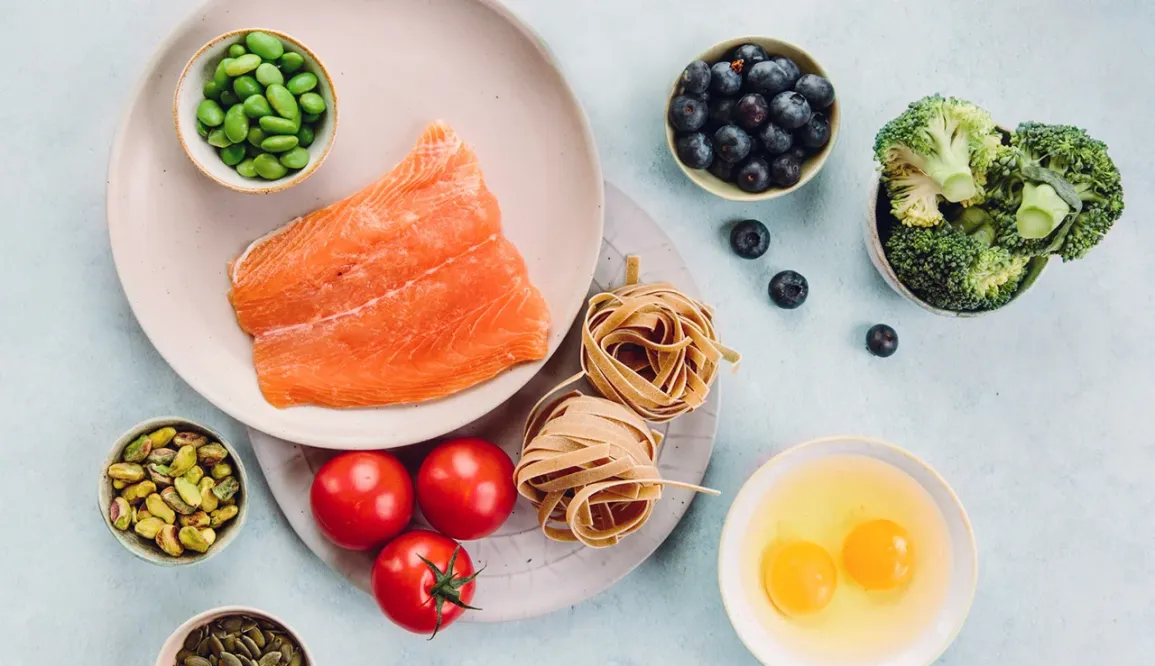

Maintaining a healthy lifestyle often starts in the kitchen, but busy schedules can make it difficult to prepare nutritious meals every day. Between work, school, family responsibilities, and social commitments, many people rely on fast food or processed meals because they seem more convenient. However, with a little planning, meal prep can make healthy eating easier, more affordable, and less stressful.
Meal preparation is the practice of planning, cooking, and storing meals in advance. Instead of deciding what to eat every day, you prepare ingredients or complete meals ahead of time, saving valuable time throughout the week. It also helps reduce food waste, control portion sizes, and avoid unhealthy food choices when you’re short on time.
Whether you’re new to meal prep or looking for fresh ideas, these simple strategies can help you build healthier eating habits without spending hours in the kitchen.
Why Meal Prep Is Worth It


Meal prep offers more than just convenience. It allows you to take control of your diet and make healthier choices consistently.
Preparing meals ahead of time reduces the temptation to order takeout or grab unhealthy snacks. It also makes grocery shopping more efficient because you know exactly what ingredients you need.
Another major benefit is saving money. Buying ingredients in bulk and cooking at home is usually far less expensive than eating out several times a week.
Start with a Weekly Plan
Successful meal prep begins with planning. Before shopping, decide what meals you’ll prepare for breakfast, lunch, dinner, and snacks.
Choose recipes that use similar ingredients. For example, grilled chicken can be used in salads, wraps, rice bowls, and pasta dishes throughout the week. This reduces both grocery costs and food waste.
Keeping your weekly menu simple makes meal preparation much easier, especially if you’re just getting started.
Prepare Ingredients in Advance

You don’t always have to cook complete meals. Sometimes preparing ingredients is enough to make cooking faster.
Wash and chop vegetables, marinate proteins, cook grains like rice or quinoa, and portion snacks into reusable containers. Having everything ready allows you to prepare fresh meals in just a few minutes.
This approach also gives you more flexibility if your schedule changes during the week.
Focus on Balanced Meals
A healthy meal includes a combination of protein, complex carbohydrates, healthy fats, and vegetables.
Examples include:
- Grilled chicken with brown rice and steamed broccoli
- Baked salmon with roasted sweet potatoes and green beans
- Quinoa salad with chickpeas, cucumbers, tomatoes, and olive oil
- Turkey wraps with fresh vegetables and whole-grain tortillas
Balanced meals provide steady energy and help you stay full for longer.
Make Breakfast Easy


Breakfast is often skipped because mornings are busy. Preparing breakfast ahead of time ensures you start the day with nutritious food.
Some easy meal prep breakfast ideas include overnight oats, yogurt with fruit and granola, egg muffins, smoothie packs, and whole-grain breakfast sandwiches.
These meals require little preparation in the morning and are easy to take on the go.
Healthy Lunch Ideas
Packing lunch saves money while helping you avoid unhealthy fast food.
Simple options include grilled chicken salads, quinoa bowls, vegetable stir-fries, turkey sandwiches, pasta salads, and homemade soups.
Store lunches in individual containers so they’re ready to grab before leaving home.
Dinner Without the Stress
After a long day, cooking can feel overwhelming. Meal-prepped dinners eliminate much of that stress.
Cook proteins such as chicken, fish, tofu, or lean beef in batches. Pair them with roasted vegetables and whole grains that can be mixed and matched throughout the week.
One-pan meals, sheet-pan dinners, and slow cooker recipes are especially helpful because they require minimal cleanup.
Prepare Healthy Snacks
Healthy snacks help maintain energy between meals and reduce cravings for processed foods.
Prepare snacks such as:
- Mixed nuts
- Fresh fruit
- Carrot and cucumber sticks
- Hummus
- Greek yogurt
- Hard-boiled eggs
- Homemade trail mix
Portioning snacks ahead of time prevents overeating and makes healthy choices more convenient.
Invest in Quality Storage Containers


Good food storage containers keep meals fresh and organized.
Choose containers that are airtight, leak-proof, microwave-safe, and freezer-friendly. Clear containers also make it easier to see what’s available, reducing food waste.
Labeling meals with preparation dates helps ensure freshness.
Save Time with Batch Cooking
Batch cooking means preparing large quantities of food at once.
Cook several servings of rice, grilled chicken, roasted vegetables, soups, or pasta on one day each week. These ingredients can then be combined into different meals throughout the week.
Batch cooking significantly reduces daily cooking time while making healthy eating more convenient.
Keep Meals Interesting
Eating the same meal every day can become boring.
Use different herbs, spices, sauces, and cooking methods to create variety without buying completely different ingredients.
For example, grilled chicken can become a salad one day, tacos the next, and a pasta topping later in the week.
Small changes in seasoning can completely transform a meal.
Avoid Common Meal Prep Mistakes

Many beginners prepare too much food, leading to waste. Start with three or four days of meals until you understand how much you’ll actually eat.
Avoid choosing recipes that require expensive ingredients or complicated cooking techniques.
Don’t forget to include healthy snacks and enough variety to keep meals enjoyable.
Finally, store food properly and consume it within recommended timeframes for safety and quality.
Building a Sustainable Routine
Meal prep works best when it becomes part of your weekly routine.
Choose one day each week for grocery shopping and meal preparation. Many people prefer Sunday because it prepares them for the upcoming week, but any day that fits your schedule will work.
Remember that meal prep doesn’t need to be perfect. Even preparing a few meals in advance can make a noticeable difference in your eating habits.
Conclusion
Meal preparation is one of the simplest ways to support a healthier lifestyle. It saves time, reduces stress, helps manage your budget, and makes healthy eating much easier throughout the week.
By planning meals, preparing ingredients ahead of time, choosing balanced foods, and building a consistent routine, you can enjoy nutritious meals without spending hours in the kitchen every day.
The key is to start small and stay consistent. As meal prep becomes a habit, you’ll find it easier to make healthier choices, maintain your energy levels, and enjoy the long-term benefits of a well-planned diet.
FAQ’s
1. What is meal prep?
Meal prep is the process of planning, preparing, and storing meals or ingredients in advance for the week.
2. How often should I meal prep?
Most people meal prep once a week, but you can also prepare meals every 3–4 days to keep food fresh.
3. Can meal prep help with weight management?
Yes. Meal prep helps control portion sizes, reduces unhealthy snacking, and supports healthier eating habits.
4. What foods are best for meal prep?
Lean proteins, whole grains, fresh vegetables, fruits, legumes, and healthy snacks are great choices for meal prep.
5. How long do meal-prepped meals stay fresh?
Most meal-prepped meals stay fresh in the refrigerator for 3 to 4 days when stored in airtight containers.




Leave a Reply