

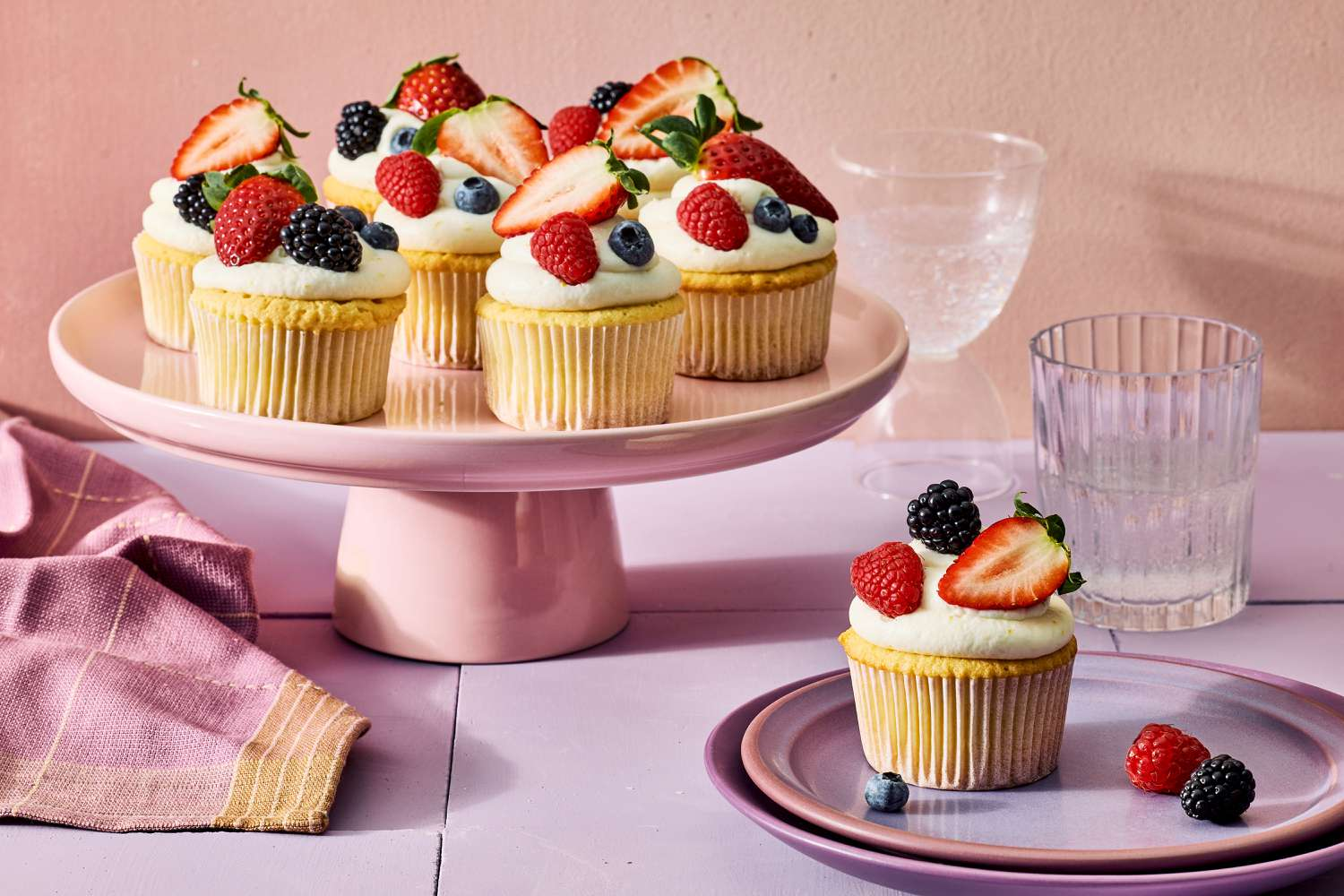

Baking your own cakes and cupcakes is one of the most enjoyable ways to explore the world of homemade desserts. Whether you’re preparing a birthday cake, baking cupcakes for a family gathering, or simply trying a new hobby, learning the basics can help you create delicious treats with confidence. The best part is that you don’t need professional equipment or years of experience to get started. With a few simple ingredients, the right techniques, and a little patience, anyone can bake soft, moist cakes and flavorful cupcakes at home.
This beginner-friendly guide covers everything you need to know, from choosing the right ingredients to baking and decorating your creations. Along the way, you’ll discover helpful tips, common mistakes to avoid, and easy recipes that are perfect for first-time bakers.
Why Baking at Home Is Worth Trying

Homemade cakes and cupcakes offer more than just great taste. Baking at home allows you to control the quality of ingredients, adjust sweetness to your preference, and experiment with different flavors. It is also a fun activity that can be shared with family and friends.
Some benefits of home baking include:
- Fresh and preservative-free desserts
- Cost-effective compared to bakery products
- Opportunity to customize flavors and decorations
- A relaxing and creative hobby
- Perfect for birthdays, holidays, and celebrations
Essential Baking Ingredients

Every successful cake or cupcake begins with the right ingredients. While baking may seem simple, each ingredient plays a specific role in creating the perfect texture, flavor, and appearance. Using high-quality, fresh ingredients not only improves the taste of your baked goods but also helps ensure consistent and reliable results. Understanding how these ingredients work together will give beginners more confidence and make the baking process much easier.
Flour is the foundation of most cake and cupcake recipes, providing the structure that holds everything together. The type and quantity of flour you use can affect the texture, so it’s important to measure it accurately. Sugar does more than add sweetness—it also helps create a soft, moist texture and gives cakes a beautiful golden color as they bake.
Eggs act as a binding ingredient, holding the batter together while adding richness, moisture, and stability. They also contribute to the cake’s light and fluffy texture. Butter or oil is another essential ingredient that keeps cakes and cupcakes tender and moist. Butter adds a rich, creamy flavor, while oil often produces an even softer and moister crumb.
Basic Baking Equipment for Beginners

You don’t need a professional kitchen to start baking. A few basic tools are enough to prepare delicious cakes and cupcakes.
Must-have baking tools include:
- Mixing bowls
- Measuring cups and spoons
- Whisk or electric mixer
- Cake pan or cupcake tray
- Cupcake liners
- Rubber spatula
- Cooling rack
- Oven mitts
As your skills improve, you can gradually invest in decorating tools such as piping bags and icing nozzles.
Easy Vanilla Cupcake Recipe

Vanilla cupcakes are one of the easiest recipes for beginners because they require simple ingredients and are easy to decorate.
Ingredients
- 1½ cups all-purpose flour
- 1 cup sugar
- 1½ teaspoons baking powder
- ½ cup butter (softened)
- 2 eggs
- ½ cup milk
- 1 teaspoon vanilla extract
Instructions
- Preheat your oven to 180°C (350°F).
- Mix the flour and baking powder in one bowl.
- In another bowl, beat the butter and sugar until light and fluffy.
- Add the eggs one at a time, followed by the vanilla extract.
- Gradually combine the dry ingredients with the milk.
- Fill cupcake liners about two-thirds full.
- Bake for 18–22 minutes or until a toothpick comes out clean.
- Allow the cupcakes to cool completely before decorating.
Simple Chocolate Cake Recipe

Chocolate cake is another beginner-friendly recipe that is loved by people of all ages.
Ingredients
- 2 cups all-purpose flour
- 2 cups sugar
- ¾ cup cocoa powder
- 2 teaspoons baking powder
- 2 eggs
- 1 cup milk
- ½ cup vegetable oil
- 1 teaspoon vanilla extract
Instructions
- Preheat the oven to 180°C (350°F).
- Mix all the dry ingredients together.
- Add the eggs, milk, oil, and vanilla extract.
- Stir until you have a smooth batter.
- Pour the batter into a greased cake pan.
- Bake for 30–35 minutes.
- Cool completely before frosting.
Tips for Soft and Moist Cakes

One of the biggest goals for beginner bakers is to create cakes that are soft, light, and fluffy. While achieving the perfect texture may seem challenging at first, a few simple baking techniques can make a significant difference. Paying attention to small details throughout the baking process helps ensure that your cakes and cupcakes turn out moist, tender, and full of flavor every time.
The first step is to measure your ingredients accurately, as even small variations can affect the texture of the batter. Using room-temperature eggs and butter is equally important because they blend more easily with the other ingredients, creating a smooth and even mixture. When mixing the batter, avoid overmixing, as this can develop too much gluten in the flour and result in a dense or tough cake instead of a light and airy one.
Easy Decorating Ideas
Decorating doesn’t have to be complicated. Even simple decorations can make homemade desserts look beautiful.
Some beginner-friendly decorating ideas include:
- Swirls of buttercream frosting
- Fresh fruits such as strawberries or blueberries
- Chocolate chips or sprinkles
- Powdered sugar dusting
- Whipped cream topping
- Colorful edible flowers
Start with simple designs and gradually try more advanced decorating techniques as your confidence grows.
Common Baking Mistakes to Avoid

Every baker makes mistakes while learning. Understanding common problems can help you improve faster.
| Mistake | How to Avoid It |
| Overmixing the batter | Mix only until ingredients are combined |
| Incorrect measurements | Use measuring cups and spoons |
| Opening the oven too early | Wait until the cake is nearly baked |
| Using expired baking powder | Always check expiry dates |
| Frosting a warm cake | Let the cake cool completely |
Learning from these mistakes will make your future bakes even better.
Creative Flavor Variations

Popular options include:
- Chocolate
- Red Velvet
- Lemon
- Coffee
- Orange
- Coconut
- Strawberry
- Blueberry
- Banana
- Carrot Cake
Adding fruits, nuts, or chocolate chips can also enhance both flavor and texture.
Once you’re comfortable with basic recipes, experiment with different flavors to make your cakes and cupcakes unique.
How to Store Cakes and Cupcakes
Proper storage is essential for keeping your cakes and cupcakes fresh, soft, and delicious for as long as possible. Whether you’ve baked a simple sponge cake or decorated cupcakes for a special occasion, storing them correctly helps preserve their moisture, texture, and flavor. The right storage method depends on the type of cake, the frosting used, and how long you plan to keep it.
Unfrosted cakes can usually be stored at room temperature in an airtight container for up to three days. Keeping the cake covered prevents it from drying out and protects it from dust and moisture. If your cake is topped or filled with cream cheese frosting, whipped cream, or fresh fruit, it should be stored in the refrigerator to keep the ingredients fresh and safe to eat. Before serving, allow the cake to sit at room temperature for a short time so it regains its soft texture and full flavor.
Frequently Asked Questions (FAQs)
1. What is the easiest cake for beginners to bake?
A simple vanilla or chocolate cake is the best choice for beginners because it uses basic ingredients and straightforward techniques.
2. Why did my cake turn out dry?
Dry cakes are often caused by overbaking, using too much flour, or not measuring ingredients accurately.
3. Can I make cupcakes without an electric mixer?
Yes. A whisk and mixing bowl are enough for many beginner-friendly cupcake recipes.
4. How do I know when my cake is fully baked?
Insert a toothpick into the center of the cake. If it comes out clean or with a few dry crumbs, the cake is ready.
5. Can I use oil instead of butter?
Yes. Oil often makes cakes extra moist, while butter provides a richer flavor.




Leave a Reply