

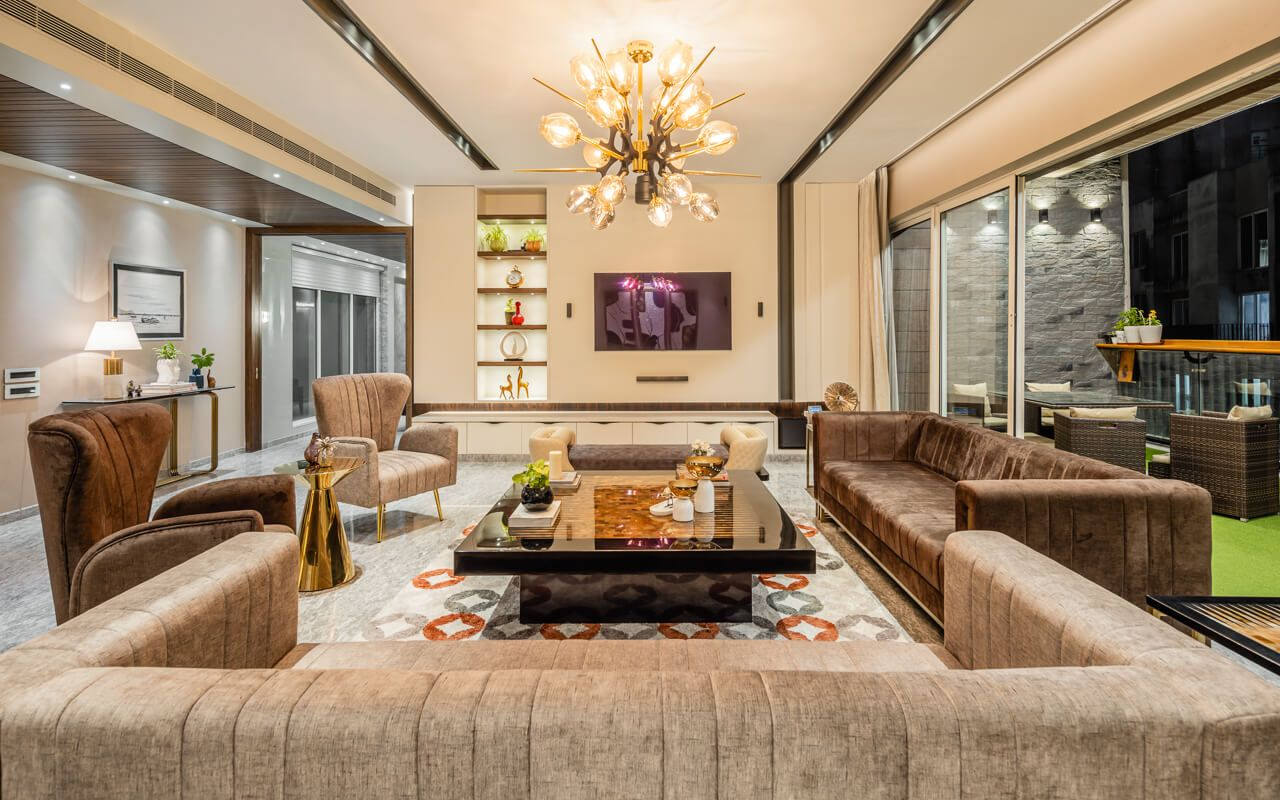

There is a profound, almost primal sigh of relief that happens when you turn the key in your front door Beautiful after a brutal day, drop your bags on the floor, and step into a space that completely wraps around you like a warm blanket. A home is never just a collection of bricks, drywall, and square footage where you store your clothes and crash at night. It is the backdrop of your entire life. It’s where you burn the toast on Sunday mornings, where you have long, messy kitchen-table talks with the people you love, and where you celebrate the quiet victories no one else sees.
But if you look at interior design magazines or scroll through social media, you’d think having a beautiful home requires an inheritance, a team of high-end architects, and a minimalist living room where no human being has ever actually sat down. We are constantly flooded with images of flawless, sterile spaces that look more like expensive art museums than real places to live. That is an expensive lie. A truly inviting home isn’t built on a massive budget or rigid design rules; it is built on feeling. It’s about creating a personal sanctuary that reflects your quirks, embraces your daily chaos, and makes you feel fundamentally safe the second you walk inside.
Keep Your Home Clean and Organized

Let’s be completely honest: it is incredibly difficult to find mental peace when you are constantly stepping over clutter, searching for lost keys, and staring at piles of unread mail on the counter. Visual noise breeds mental noise. When a room is chaotic, your brain subconsciously registers it as an unfinished to-do list, making it impossible to truly rest.
Buy a few canvas baskets for the living room where kids can easily throw their toys at the end of the day. Put a beautiful ceramic bowl by the front door strictly for your keys and wallet. Spend just ten minutes every evening wiping down the kitchen counters and putting things back in their designated places. This simple, low-pressure rhythm instantly clears the air, creating a breathable environment where you can finally relax.
Choose Comfortable Furniture

You don’t have to spend a fortune to find comfort. Look for secondhand solid-wood dining tables that already have a few scratches and a story to tell. Add a couple of oversized, textured blankets and down-filled cushions to an older sofa to instantly soften up the room. When choosing a new piece, always prioritize the physical experience of using it over how it looks in a catalog.
Furniture is an investment in your daily physical comfort. A stunning, high-design chair is completely useless if sitting in it for twenty minutes gives you a backache. Think about how much time your body spends in contact with your mattress, your desk chair, or your living room couch.
| Furniture Focus | The Wrong Way | The Right Way |
| The Sofa | Stiff, delicate fabric that makes you terrified of spilling anything. | Deep, plush cushions with durable, lived-in fabrics that welcome pets and friends. |
| The Bed | A cheap, sagging mattress paired with a flashy, expensive headboard. | Investing heavily in a supportive mattress and soft, breathable linen sheets. |
Let Natural Light Transform Your Space

Natural sunlight is the cheapest, most effective mood-booster in existence. It has a magical ability to make a cramped, tiny room feel expansive, warm, and full of life. Yet, so many people block it out with heavy, dark drapes or keep their blinds drawn all day out of habit.
If you have a room that faces north or lacks windows entirely, you can fake the effect with a few clever tricks. Hang a large, framed mirror directly opposite your smallest window to catch the incoming light and bounce it back into the dark corners. When the sun goes down, stay away from harsh, overhead fluorescent lighting that feels like a hospital waiting room. Instead, layer your space with small table lamps, floor lamps with warm-toned bulbs, and a few flickering candles to create a soft, golden glow that signals to your brain that the workday is officially over.
Design a Peaceful Bedroom

Your bedroom should be the ultimate boundary line between you and the noise of the outside world. It shouldn’t double as your home office, your storage unit, or the place where you fold mounds of laundry while staring at a television screen. It should have one primary, sacred purpose: rest.
To build a truly restorative sleeping environment, start by cooling down the color palette. Soft, muted tones like pale sage, dusty blues, warm creams, or gentle greys are inherently soothing to an overworked nervous system.
Keep your nightstands completely clear of clutter—especially charging cables, work laptops, and stacks of bills. Try leaving your phone in another room overnight and investing in a simple, analog alarm clock instead. When you remove the digital tether from your sleeping space, you give your mind permission to finally unplug, process the day, and slide into a deep, uninterrupted sleep.
Make Your Kitchen Functional

The kitchen is almost always the true heart of a home. No matter how comfortable your living room sofa is, whenever you host a gathering, everyone inevitably ends up crowding around the kitchen counter, chatting over drinks and cutting boards. Because it is a high-traffic workspace, its beauty must come directly from its functionality.
A functional kitchen is a joy to cook in. Clear off your countertops so you actually have physical room to prep food without bumping into appliances you only use once a year. Hang your most frequently used pots and wooden spoons on open wall hooks so you don’t have to loudly rummage through dark, chaotic cabinets every time you want to boil water. Put a small pot of fresh basil or rosemary on the windowsill—it looks gorgeous, smells incredible, and gives you fresh ingredients right when you need them.
Refresh Your Bathroom

Bathrooms are often completely overlooked when decorating a home, treated as purely clinical, utility spaces. But considering it’s where you start your morning and wind down at night, treating it with a little bit of design care can transform your daily routine.
You don’t need to rip out tiles to make a difference. Fresh, fluffy towels, a cohesive set of simple soap dispensers, and a clean mirror instantly elevate the space. Tucking a small, humidity-loving plant like a fern on a shelf and lighting a clean-scented candle can instantly shift the vibe from a cold, functional bathroom into your own private, relaxing mini-spa.
Create a Home That Supports Daily Life

A house should never feel like a museum where you are afraid to touch things or sit down. It needs to bend to the realities of your household’s daily habits. If you have dogs that track in mud, white velvet furniture is a recipe for a nervous breakdown. If you have toddlers, sharp glass coffee tables will only create stress.
Small layout tweaks make the biggest impact because they solve real, daily friction. When your space works with your routines instead of against them, your entire day feels significantly lighter.
Focus on Comfort Over Perfection

The biggest mistake you can make when designing your home is chasing an elusive, sterile standard of perfection. A house that feels like no one lives there isn’t luxury—it is lonely.
Perfectionism kills hospitality. When someone steps into your home, they shouldn’t feel like they are walking on eggshells; they should feel an instant, unspoken invitation to kick off their shoes, sink into the cushions, and stay a while. Let your home be imperfect, let it be loud, let it be slow, and let it change with the seasons of your life.
FAQ’S
1. How can I make my home more comfortable?
Use cozy furniture, soft lighting, and keep your home clean and organized.
2. What is the easiest way to improve home décor?
Add indoor plants, decorative cushions, artwork, and warm lighting.
3. Why is home organization important?
An organized home reduces clutter, saves time, and creates a more relaxing environment.
4. How can I decorate my home on a budget?
Rearrange furniture, use DIY décor, add affordable accessories, and declutter your space.
5. What colors make a home feel warm and inviting?
Neutral shades like beige, cream, soft gray, and warm earthy tones create a cozy atmosphere.




Leave a Reply