

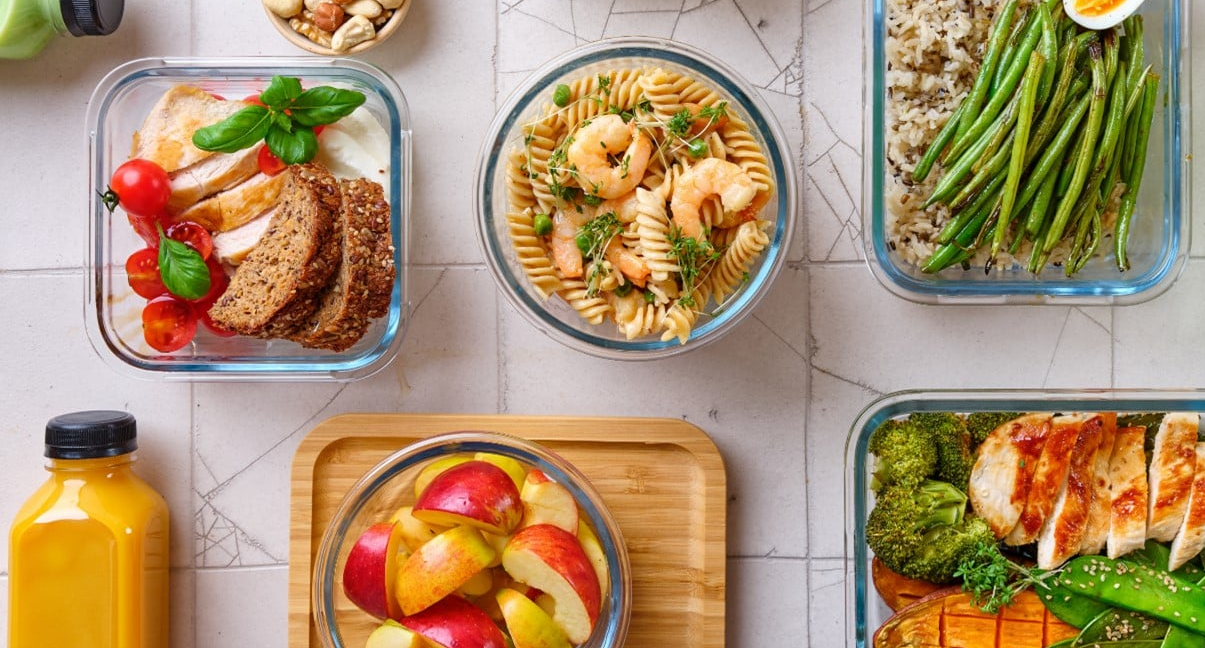

Let’s be entirely honest for a moment: nobody comes home after a grueling nine-hour workday, stares into a barren refrigerator, and thinks, “Gee, I can’t wait to spend forty-five minutes chopping raw kale and julienning carrots.”
No. Your brain is exhausted, your willpower is entirely depleted, and your prehistoric survival instincts are screaming for the fastest, most calorie-dense option available. Usually, that means delivery apps, processed frozen food, or whatever stale snacks are hiding in the back of your pantry.
This isn’t a moral failure or a lack of discipline; it’s basic human nature. We are hardwired to take the path of least resistance when we are tired.
This is exactly why healthy meal prep is the ultimate cheat code for better eating.
Meal prep isn’t about transforming into a rigid fitness influencer who eats identical portions of dry chicken out of plastic containers every single day. True meal prep is a practical, stress-reducing strategy designed to protect you from your future, exhausted self. By making thoughtful food decisions on a quiet Sunday afternoon, you remove the daily mental burden of answering the most exhausting question in modern life: “What’s for dinner?”
The Strategy Begins Before the Grocery Store

Have you ever wandered aimlessly down a grocery store aisle while hungry, tossing random items into your cart because they looked good in the moment? You inevitably end up with a strange assortment of ingredients that don’t quite make a cohesive meal, half of which will turn into a science experiment in your crisper drawer by Friday.
Successful meal prep starts with an organized game plan. Before you even think about setting foot in a store, sit down with a cup of coffee and sketch out your week.
[Review the Week's Schedule] ➔ [Sketch Out Meals] ➔ [Build the Grocery List] ➔ [Shop with Purpose]
Tips for an Efficient Planning Session:
- Check your calendar first: If you know you have a work lunch on Wednesday or a dinner date on Friday, account for it. Don’t prep food you won’t eat.
- Embrace ingredient crossover: Choose recipes that share baseline ingredients. If you’re buying a large bag of spinach, plan to use it in a morning smoothie, a lunchtime wrap, and an evening stir-fry. This saves money and slashes food waste.
- Write a ruthless list: Organize your grocery list by section (produce, proteins, grains) so you can get in and out of the store efficiently.
Choosing Quality Fuel: Fresh vs. Functional Ingredients

The quality of what you put into your body dictates how you feel, how you sleep, and how much energy you bring to your daily life. When building your prep menu, focus on whole, nutrient-dense ingredients that actually survive a few days in the fridge without losing their texture or nutritional value.
The Anatomy of a Prep-Friendly Shopping List
| Food Category | Best Options for Longevity | Why They Work |
|---|---|---|
| Complex Carbs | Brown rice, quinoa, sweet potatoes, oats | They don’t get soggy and retain their texture beautifully when reheated. |
| Lean Proteins | Chicken breast, firm tofu, hard-boiled eggs, lentils | Highly versatile and stable bases for a dozen different flavor profiles. |
| Healthy Fats | Olive oil, nuts, seeds, avocados (sliced fresh) | Crucial for brain function and keeping you full between meals. |
| Resilient Veggies | Broccoli, bell peppers, Brussels sprouts, carrots | They hold up to roasting and batch-cooking without turning into mush. |
The Power of Batch Cooking and Component Prepping


The biggest misconception about meal prep is that you have to cook complete, fully assembled meals for the entire week. If the thought of eating a four-day-old pre-assembled burrito bowl makes you cringe, don’t do it.
Instead, master component prepping (or batch cooking). Instead of cooking specific recipes, you simply prepare large quantities of individual building blocks that can be mixed, matched, and reimagined in minutes.
The 60-Minute Master Plan: Turn on your favorite podcast, preheat your oven to 400°F (200°C), and get to work. On one large sheet pan, roast a mountain of seasoned sweet potatoes and broccoli. On another, bake your chicken breasts or seasoned tofu. While the oven does the heavy lifting, boil a large pot of quinoa or brown rice on the stove.
In just one hour, you have created a modular food system. On Monday, you can toss these ingredients into a bowl with a splash of soy sauce and ginger for an Asian-inspired stir-fry. On Tuesday, throw them into a whole-wheat wrap with some salsa and avocado for a quick Mediterranean or Mexican-style lunch. You get all the convenience of meal prep with none of the boredom.
The Golden Rules of Food Storage
You can have the best culinary intentions in the world, but if your food tastes like plastic or goes bad by Wednesday, your meal prep habit will die a quick death. Investing in proper storage is non-negotiable.
Glass vs. Plastic
If your budget allows, switch to high-quality, airtight glass containers. Glass keeps food fresher for longer, doesn’t absorb odors or stains from tomato sauces, and can go directly from the refrigerator to the microwave or oven without leaching chemicals.
The Storage Timeline
- The 3-Day Rule: Keep meals or components for Monday, Tuesday, and Wednesday in the front of your fridge.
- The Freezer Backup: If you prepped food for Thursday or Friday, pop it into the freezer the day you make it. On Wednesday night, move it back to the fridge to thaw overnight. This simple trick completely eliminates the “weird leftover texture” issue.
- Label Everything: Use a piece of masking tape and a sharpie to write the date on your containers. It takes three seconds and removes any guesswork later in the week.
Fighting “Meal Prep Fatigue” With Flavor
One of the main reasons people quit meal prep is boredom. Eating the exact same meal five days in a row feels less like a healthy lifestyle and more like a corporate punishment.
To prevent meal prep fatigue, keep your baseline components relatively neutral and use sauces, spices, and garnishes to introduce variety.
Neutral Base (Grain + Veggie + Protein) ├── Add Salsa, Black Beans, Cumin ➔ Mexican Style ├── Add Soy Sauce, Sesame Oil, Ginger ➔ Asian Style ├── Add Lemon, Olive Oil, Oregano ➔ Mediterranean Style
A simple homemade vinaigrette, a jar of high-quality pesto, a spicy peanut sauce, or a fiery hot sauce can completely transform identical ingredients into entirely different culinary experiences. You can also rotate your grain choices or swap out your proteins from week to week to keep things interesting.
Don’t Forget the Snacks

When people think about healthy eating, they focus entirely on breakfast, lunch, and dinner. But the real danger zone for most diets happens at 11:00 AM and 4:00 PM—the notorious snacking windows. When blood sugar drops between major meals, our cravings for sugar and simple carbohydrates skyrocket.
As a rule of thumb, if you have to prepare a snack while you are actively hungry, you’ve already lost.
Include snacks in your weekly prep routine. Portion out handfuls of mixed nuts into small jars. Wash and cut celery and cucumber sticks so they are sitting right at eye-level in the fridge next to a tub of hummus. Hard-boil a dozen eggs, or whip up a batch of homemade energy bites using oats, peanut butter, and honey. Having these nutritious options ready to grab prevents you from diving headfirst into the office vending machine or the kids’ chip pantry.
Consistency Over Perfection
Building a weekly meal prep habit is a marathon, not a sprint. Don’t try to go from zero prep to cooking twenty-one meals and seven snacks overnight. That is a guaranteed recipe for burnout.
Start small. Commit to prepping just your lunches for the upcoming workweek. Once that feels like second nature, add a couple of breakfast options, like overnight oats or a breakfast casserole. Find a rhythm that naturally aligns with your unique lifestyle, budget, and energy levels.
Over time, you’ll stop viewing meal prep as an annoying chore and start seeing it for what it truly is: an act of profound self-care. You are choosing to invest a small window of your weekend to guarantee that your body is fueled, your mind is clear, and your stress levels are low all week long. Your future self will thank you.
FAQ’s
1. What is healthy meal prep?
Healthy meal prep is the process of planning, cooking, and storing nutritious meals in advance to save time, eat healthier, and reduce the stress of daily cooking.
2. How long can meal-prepped food stay fresh?
Most meal-prepped meals stay fresh in the refrigerator for 3–4 days when stored in airtight containers. Frozen meals can last for 2–3 months.
3. What foods are best for meal prep?
Foods like grilled chicken, brown rice, quinoa, roasted vegetables, eggs, beans, oats, fruits, and salads are excellent choices because they store well and remain nutritious.
4. Can meal prep help with weight loss?
Yes. Meal prep helps control portion sizes, reduces unhealthy snacking, and makes it easier to follow a balanced diet, which can support healthy weight loss when combined with regular exercise.
5. How often should I meal prep?
Most people meal prep once a week, usually on the weekend. This provides enough healthy meals for the upcoming week while keeping food f




Leave a Reply