

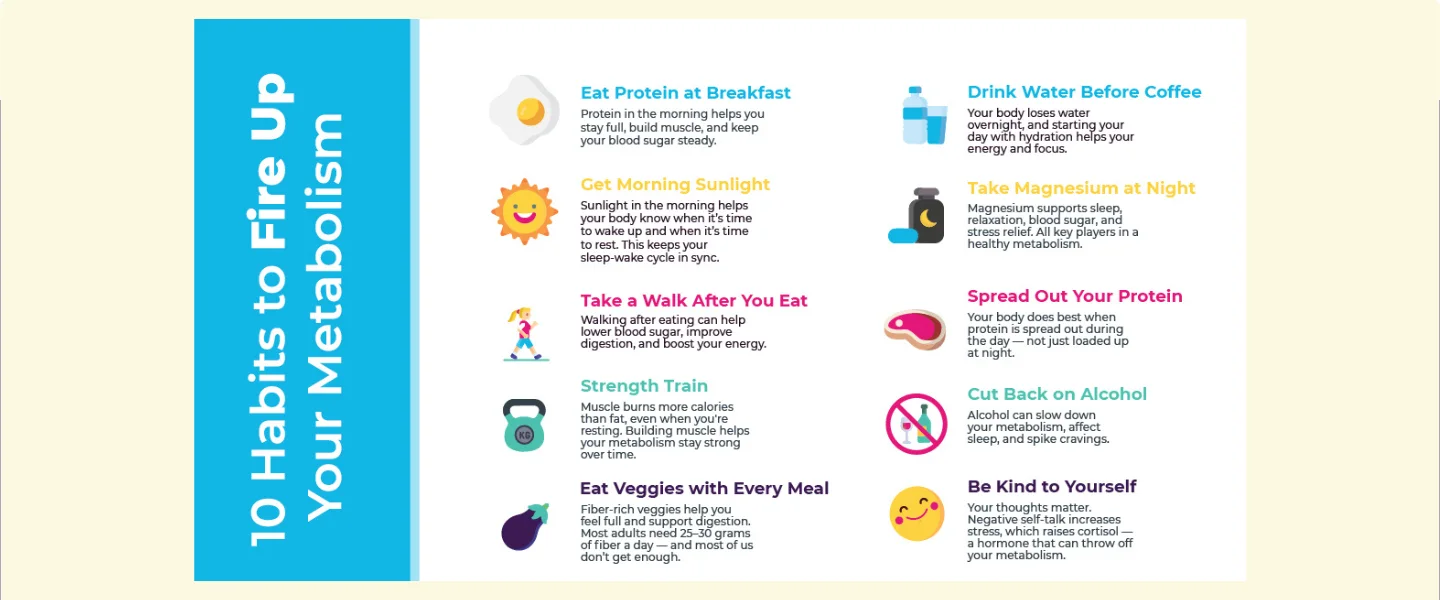

Living a healthy life has become more important than ever. In 2026, wellness is no longer just about eating nutritious food or exercising regularly. It is about creating a balanced lifestyle that supports your physical health, mental well-being, emotional stability, and overall quality of life. As daily routines become busier and technology continues to shape how we live and work, adopting healthy habits is essential for maintaining energy, reducing stress, and preventing long-term health problems.
Wellness is a lifelong journey, not a quick fix. Small, consistent changes in your daily routine can have a lasting impact on your health and happiness. Whether you’re looking to improve your fitness, sleep better, eat healthier, or simply feel more balanced, the right habits can help you build a better future.
This guide explores the importance of wellness in 2026, practical habits to adopt, and simple ways to create a healthier lifestyle that fits your everyday routine.
What Is Wellness?

Wellness is the active process of making choices that lead to a healthier and more fulfilling life. It goes beyond being free from illness. True wellness includes maintaining a healthy body, a positive mindset, strong relationships, and a balanced lifestyle.
Wellness is often divided into several key areas:
- Physical wellness through exercise, nutrition, and quality sleep.
- Mental wellness by managing stress and maintaining emotional balance.
- Emotional wellness through self-awareness and healthy coping strategies.
- Social wellness by building meaningful relationships.
- Financial wellness by managing money responsibly.
- Environmental wellness by creating healthy surroundings.
When these areas work together, people are more likely to enjoy better health and greater life satisfaction.
Why Wellness Matters in 2026

Modern lifestyles often involve long working hours, increased screen time, unhealthy eating habits, and high levels of stress. These factors can affect both physical and mental health.
Making wellness a priority can help you:
- Improve energy levels
- Reduce stress and anxiety
- Strengthen your immune system
- Sleep more peacefully
- Increase productivity
- Build healthy relationships
- Reduce the risk of chronic diseases
- Improve overall happiness
Healthy habits don’t need to be complicated. Small daily improvements can create meaningful long-term results.
Build a Balanced Daily Routine

A structured daily routine makes it easier to maintain healthy habits.
Start your day with a nutritious breakfast, stay active throughout the day, drink enough water, and set aside time to relax before bed. Consistency is more important than perfection. Following a simple routine helps your body and mind function more effectively.
Even spending a few minutes planning your day can reduce stress and improve productivity.
Eat Nutritious Foods

Nutrition is one of the foundations of good health. A balanced diet provides your body with the nutrients it needs to function properly.
Include a variety of foods such as:
- Fresh fruits and vegetables
- Whole grains
- Lean proteins
- Healthy fats
- Dairy or dairy alternatives
- Nuts and seeds
Limiting highly processed foods, sugary drinks, and excessive salt can also support long-term wellness.
Healthy eating is about making better choices most of the time, not following strict diets.
Stay Physically Active
Regular physical activity benefits both your body and your mind.
Exercise helps:
- Improve heart health
- Build stronger muscles and bones
- Maintain a healthy weight
- Reduce stress
- Boost mood
- Increase energy levels
You don’t have to spend hours at the gym. Walking, cycling, swimming, yoga, dancing, or even gardening can all contribute to a healthy lifestyle.
Aim for consistent movement throughout the week rather than focusing on intense workouts alone.
Take Care of Your Mental Health

Mental wellness is just as important as physical health.
Daily stress is a normal part of life, but managing it effectively can improve your overall well-being.
Healthy ways to support mental health include:
- Practicing mindfulness
- Spending time outdoors
- Talking with friends or family
- Keeping a journal
- Taking regular breaks from work
- Seeking professional support when needed
Taking care of your mind helps you handle challenges with greater confidence and resilience.
Stay Hydrated

Water is essential for nearly every function in the body.
Proper hydration supports:
- Digestion
- Energy levels
- Brain function
- Healthy skin
- Body temperature regulation
Carry a reusable water bottle and drink water regularly throughout the day, especially during hot weather or after exercise.
Reduce Screen Time
Technology makes life easier, but spending too much time in front of screens can affect sleep, posture, and mental well-being.
Try to:
- Take short breaks every hour.
- Avoid unnecessary phone use.
- Spend more time outdoors.
- Read physical books occasionally.
- Enjoy hobbies that don’t involve screens.
Creating healthy digital habits helps maintain a better work-life balance.
Practice Mindfulness and Relaxation

Mindfulness encourages you to focus on the present moment rather than worrying about the past or future.
Simple relaxation techniques include:
- Deep breathing exercises
- Meditation
- Yoga
- Gentle stretching
- Listening to calming music
Even 10 minutes of relaxation each day can help reduce stress and improve emotional well-being.
Build Strong Relationships
Social connections are an important part of wellness.
Spending quality time with family, friends, and colleagues provides emotional support and creates a sense of belonging.
Strong relationships can improve happiness, reduce stress, and encourage healthier lifestyle choices.
Make time for meaningful conversations and shared experiences whenever possible.
Wellness at Work
Many people spend a significant portion of their day at work, making workplace wellness increasingly important.
Healthy workplace habits include:
- Taking regular breaks
- Maintaining good posture
- Organizing your workspace
- Staying hydrated
- Managing workloads effectively
- Communicating openly with colleagues
Small improvements during the workday can increase focus and reduce fatigue.
Sustainable Wellness Habits

Long-term wellness comes from consistency rather than perfection.
Focus on habits you can realistically maintain, such as:
- Walking daily
- Preparing healthy meals
- Drinking more water
- Sleeping on a regular schedule
- Exercising a few times each week
- Taking time to relax
Building habits gradually makes them easier to maintain over time.
Wellness Trends in 2026
Wellness continues to evolve with new technologies and lifestyle changes.
Some growing trends include:
Personalized Health Tracking
Smartwatches and health apps help people monitor activity, sleep, and heart rate, making it easier to understand daily habits.
Virtual Fitness
Online fitness classes allow people to exercise from home while following expert guidance.
Mental Wellness Apps
Meditation, breathing exercises, and stress-management apps continue to grow in popularity.
Holistic Health
More people are focusing on balancing physical, mental, emotional, and social well-being rather than addressing only one aspect of health.
Preventive Healthcare
Regular health checkups, balanced nutrition, and healthy habits are helping people focus on prevention instead of treatment.
Simple Wellness Tips for Everyday Life

A healthier lifestyle doesn’t require dramatic changes.
Here are a few simple habits to follow:
- Eat balanced meals.
- Stay physically active.
- Drink enough water.
- Get quality sleep.
- Practice gratitude.
- Spend time outdoors.
- Manage stress positively.
- Stay connected with loved ones.
- Continue learning new skills.
- Make time for hobbies you enjoy.
These everyday habits can have a lasting impact on your overall well-being.
Frequently Asked Questions (FAQs)
1. What is wellness?
Wellness is the ongoing process of maintaining good physical, mental, emotional, and social health through healthy lifestyle choices.
2. Why is wellness important in 2026?
Modern lifestyles can be stressful and sedentary. Prioritizing wellness helps improve overall health, reduce stress, increase energy, and support long-term well-being.
3. What are the best daily wellness habits?
Healthy eating, regular exercise, quality sleep, staying hydrated, managing stress, and maintaining positive relationships are among the most effective daily wellness habits.
4. How can I improve my mental wellness?
Practice mindfulness, get enough rest, stay active, connect with supportive people, take breaks when needed, and seek professional help if you’re struggling.
5. Can small lifestyle changes improve wellness?
Yes. Consistent small habits—such as walking daily, drinking more water, sleeping well, and eating balanced meals—can make a significant difference over time.




Leave a Reply