

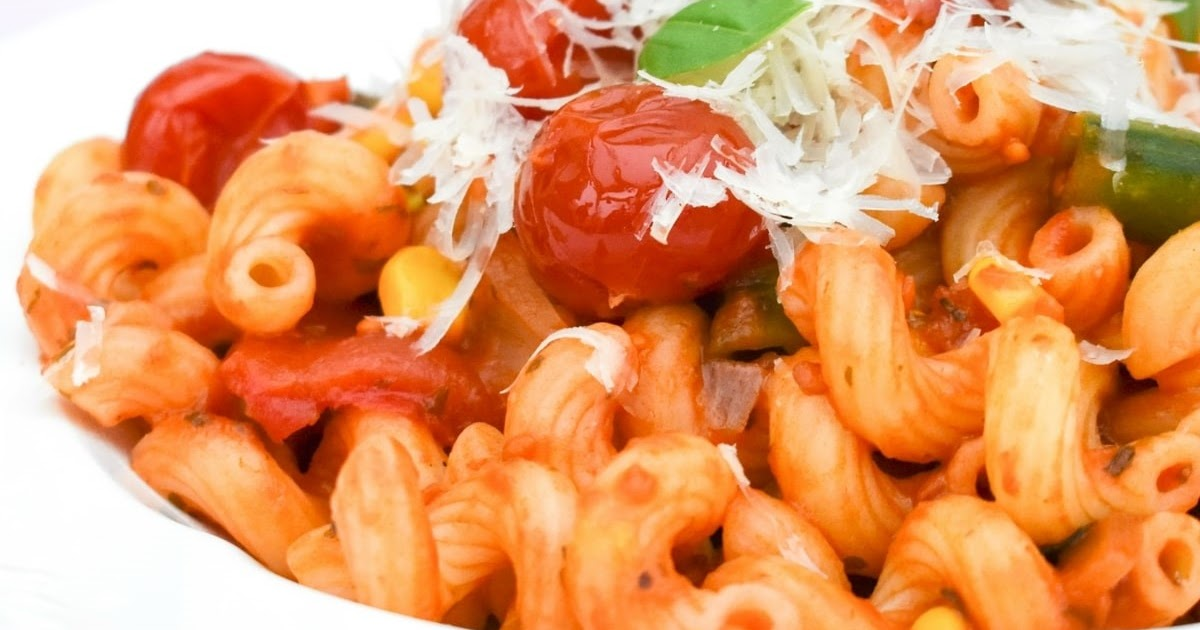

There is something deeply comforting about a bowl of homemade pasta. It feels warm, familiar, and a little special at the same time. Maybe it is the simple joy of mixing flour and eggs with your own hands, or maybe it is the way a basic meal can turn into something memorable when you slow down and cook with care. Whatever the reason, homemade pasta has a way of making even an ordinary evening feel softer and more satisfying.
The best part is that you do not need to be an expert chef or own fancy equipment to make it happen. With a few everyday ingredients and a little patience, you can create pasta dishes that taste fresh, rich, and full of life. Many people assume homemade pasta is complicated, but that idea usually disappears after the first try. The truth is that some of the easiest pasta recipes are also the most rewarding. You can keep them rustic and simple, or dress them up with sauces, herbs, cheese, and vegetables you already have in your kitchen.
Once you understand the basics, you start to see how flexible pasta really is. It becomes less about following a strict recipe and more about creating a meal that feels right for the moment.
Why Homemade Pasta Feels So Special

Homemade pasta has a flavor and texture that store-bought versions often cannot match. It feels tender, fresh, and more personal because you made it yourself. When you cook pasta from scratch, you are not just preparing dinner. You are building something from simple ingredients and turning them into comfort. That small act can be surprisingly satisfying. The dough itself is humble, but the result can feel elegant and cozy all at once.
Another reason homemade pasta stands out is that it gives you control. decide how thick or thin the noodles should be, how delicate the dough feels, and what kind of sauce will bring everything together. You can keep it light with olive oil and herbs, or make it rich with butter, garlic, and cheese. You can add spinach for color, use whole wheat flour for a deeper flavor, or shape the dough into ribbons, squares, or stuffed pasta. Once you start experimenting, homemade pasta becomes less of a recipe and more of a creative habit.
The Simple Ingredients Behind Great Homemade Pasta

One of the most beautiful things about pasta is how little you actually need to make it. Flour, eggs, salt, and a splash of water can go a long way. That simplicity is part of the charm. You do not have to stock your kitchen with complicated ingredients to make something delicious. In fact, many of the best pasta recipes come from using what is already on hand.
Once you understand these building blocks, you can start making pasta with confidence instead of hesitation.
- Flour: All-purpose flour works well for beginners, while semolina can give pasta a firmer bite.
- Eggs: Eggs add richness and help create a smooth dough, though some recipes use just water and flour for a more rustic style.
- Olive Oil: A little olive oil can make the dough softer and easier to work with.
- Salt: Salt matters too, not just in the dough but also in the water and sauce. It brings the whole dish to life.
Step-by-Step: A Beginner-Friendly Pasta Dough That Always Works
If you are just starting out, a basic pasta dough is the best place to begin. It does not need to be perfect. It only needs to come together well enough to roll, cut, and cook.
Here is exactly how to do it, step by step:
Step 1: Create the Flour Mound and Well
On a clean countertop or a large wooden cutting board, pile 2 cups of all-purpose flour. Mix in a half-teaspoon of fine salt. Use your fingers or the bottom of a measuring cup to scoop out a wide hole in the exact center of the flour. You want it to look like a little volcano. Make sure the walls are sturdy enough to hold liquid, or your eggs will escape across the counter.
Step 2: Add the Wet Ingredients

Crack 3 large eggs directly into the center of the well. Add a single teaspoon of olive oil right on top of the eggs. The oil isn’t strictly traditional for every region, but it keeps the dough compliant and forgiving for beginner hands.
Step 3: Whisk from the Inside Out
Take a standard kitchen fork and gently break the egg yolks. Start whisking the eggs in a circular motion, staying in the center of the well. As you whisk, let the fork naturally brush against the inner walls of the flour volcano, bringing in just a little bit of flour at a time. The mixture in the center will slowly turn from a liquid into a thick, paste-like batter.
Step 4: Bring the Dough Together
Once the center is too thick to whisk with a fork, switch to your hands. Fold the remaining outer walls of flour over the center paste. Start pressing, squeezing, and pushing the mixture together. At first, it may look messy, shaggy, or uneven, but that is completely normal. Keep gathering the loose crumbs and pressing them into the main ball of dough. If it feels too dry to catch the stray flour, damp your hands with a few drops of water. If it feels intensely sticky, sprinkle a pinch of flour.
Step 5: Knead for Elasticity

Now comes the satisfying part. Push the ball of dough down and away from you using the heel of your hand. Fold the top half back over itself, turn the dough 90 degrees, and push away again. Establish a steady, rhythmic motion. You only need about 8 to 10 minutes of steady work to get there. As you knead it, the dough transforms from a rough, lumpy mass into a smooth, supple, and slightly springy ball that looks like a piece of matte pottery.
Step 6: Let the Dough Rest
Wrap the smooth ball tightly in plastic wrap or cover it with an upturned mixing bowl right on the counter. Let it rest at room temperature for at least 30 minutes. That resting time makes a big difference because it gives the flour time to fully absorb the moisture, relaxing the gluten networks you just built. If you skip this, the dough will stubbornly snap back like a rubber band whenever you try to roll it.
Step 7: Roll it Thin

Divide your rested dough into four manageable quarters, keeping the pieces you aren’t working with covered so they don’t dry out. Dust your counter and rolling pin with extra flour. Flatten a piece with your hand, then begin rolling it out from the center outward. Flip the dough frequently and add tiny dustings of flour to prevent sticking. Keep rolling until you can see the faint outline of your hand or the wood grain of your cutting board right through the sheet.
Step 8: Cut and Shape
After rolling, let the sheet dry on the counter for about 5 minutes so it loses its stickiness. Dust the top generously with flour, then gently roll the sheet up into a loose cylinder (like a jelly roll). Using a sharp knife, slice across the roll at regular intervals. Cut them thin for linguine, medium for fettuccine, or wide for pappardelle. Gently shake out the cut coils with your fingers to unravel them into beautiful, long ribbons. Toss them with a tiny bit of flour to keep them separate, and they are ready for the pot.
Classic Pasta Recipes Anyone Can Master

A simple pasta dish can be incredibly satisfying when it is done well. Freshly made noodles cook incredibly fast—usually in just 2 to 3 minutes in a pot of rolling, salted boiling water. Here are three ways to dress them up using basic kitchen staples.
Garlic Butter Pasta
This starts with cooked pasta tossed in warm butter, minced garlic, and a little pasta water. Add black pepper, parsley, and a handful of Parmesan cheese, and suddenly a few basic ingredients become a comforting meal. This recipe is especially good on busy nights when you want something quick but still homemade and flavorful.
Tomato Basil Pasta

This version works beautifully with fresh tomatoes or canned ones, depending on what you have. Cook the tomatoes down with garlic, olive oil, onion, and basil until they become soft and rich. Then toss the sauce with your pasta and finish it with cheese if you like. The result feels bright, simple, and satisfying. It is the kind of dish that tastes like a slow, peaceful evening even if it only took you a short time to make.
Creamy Alfredo-Style Pasta
Melt butter in a pan, add garlic, and stir in cream or milk until the sauce becomes silky. A generous amount of Parmesan gives it depth, and a bit of black pepper adds warmth. Toss it with fettuccine or any pasta shape you enjoy. This recipe feels indulgent, but it is still easy enough for anyone to make on a weeknight. It is the kind of meal that brings comfort right away.
Easy Vegetable Pasta for Fresh, Light Flavor

Homemade pasta does not have to be heavy to feel satisfying. In fact, vegetables can make it brighter, lighter, and more colorful. A simple vegetable pasta is one of the most forgiving recipes you can make because it lets you use whatever produce is in your kitchen.
Zucchini, bell peppers, spinach, mushrooms, cherry tomatoes, and onions all work beautifully. Sauté them in olive oil with garlic, then toss them with pasta and a little cheese or lemon juice for freshness.
One of the nicest things about vegetable pasta is that it feels balanced. It is hearty enough to be a meal, but it still tastes fresh and lively. You can keep the sauce light and glossy instead of thick, which makes the vegetables shine. A handful of basil or parsley at the end can make the whole dish taste brighter and more fragrant. It is the kind of pasta that feels good any day of the week, especially when you want something homemade without feeling too heavy.
One-Pot Pasta Recipes for Easy Cooking
There are days when you want the comfort of homemade pasta but not the extra cleanup. That is where one-pot pasta recipes become a real gift. These dishes let the pasta cook directly in the sauce or with the sauce nearby, which saves time and keeps the flavors rich. It is a practical way to cook, but it still feels thoughtful and homemade.
A one-pot tomato pasta can be especially convenient. You simmer tomatoes, garlic, onion, broth, and pasta together until everything becomes soft and flavorful. As the pasta cooks, it absorbs the sauce, so every bite feels full of flavor. You can add spinach near the end, stir in cheese, or top it with fresh herbs. It is simple, but the result feels warm and complete. This style of cooking is perfect for nights when you are tired but still want something nourishing and satisfying.
Pasta With Cheese, Herbs, and Everyday Pantry Ingredients
Some of the best pasta recipes happen when you stop overthinking and use what you already have. Cheese, herbs, butter, olive oil, and a few pantry staples can create a dish that tastes much better than you expect.
A little ricotta can make pasta creamy without being too heavy. Mozzarella can add softness and stretch. Parmesan gives sharp flavor, while fresh herbs like basil, thyme, or parsley bring freshness and aroma.
You do not need to make a complicated sauce for pasta to taste good. Sometimes all it takes is hot noodles, a bit of cheese, and the right finishing touch. A drizzle of olive oil, a squeeze of lemon, or a few red pepper flakes can completely change the mood of the dish. That is the beauty of homemade pasta. It gives you room to be creative while still keeping things easy.

Tips That Make Homemade Pasta Easier
Even though homemade pasta is simple, a few small habits can make the process smoother.
- Don’t rush the dough: Letting it rest makes rolling easier and improves the texture.
- Keep extra flour nearby: Keep a little extra flour within arm’s reach so the dough does not stick to your board or hands.
- Taste your sauce: Taste your sauce before serving because seasoning matters more than many people realize. Pasta can handle bold flavors, but it also needs balance.
- Save the liquid gold: Save some of the pasta water before draining. That starchy water can loosen a sauce and help it cling to the noodles. A few tablespoons can make a big difference.
- Finish in the pan: Finish the pasta in the sauce for a minute or two instead of simply pouring sauce on top. That final step helps everything come together in a more natural way.
These little details are simple, but they make homemade pasta feel polished and delicious.
Making Pasta Feel Like a Comforting Ritual

Cooking pasta at home can become more than a recipe. It can be a small ritual that helps you slow down and enjoy the process. Rolling the dough, stirring the sauce, smelling garlic in warm olive oil, and tasting as you go all make the experience feel personal. In a busy world, that kind of cooking can be calming. It reminds you that a good meal does not need to be complicated to feel meaningful.
There is also something lovely about serving pasta to other people. It is a food that naturally invites sharing. A big bowl in the center of the table, a little extra cheese on the side, and a simple salad beside it can turn a regular dinner into a moment people remember. That is probably why pasta remains so beloved. It feeds the body, but it also creates a feeling of warmth and togetherness.
FAQs
1.Can beginners really make homemade pasta?
Yes, absolutely. Homemade pasta is one of the easiest from-scratch meals to learn because it only needs a few ingredients and simple steps. The first batch may not look perfect, but it will still taste great. Once you try it once or twice, the process starts to feel much easier and more natural.
2.Do I need a pasta machine to make pasta at home?
No, you do not need one. A rolling pin and a knife are enough for many simple pasta recipes. A pasta machine can help if you want very even sheets or thin noodles, but it is not required. Many people make beautiful homemade pasta by hand with great results.
3.What is the easiest pasta recipe for a first attempt?
Garlic butter pasta is one of the easiest and most forgiving recipes to start with. It uses very few ingredients, comes together quickly, and still tastes comforting and rich. Tomato basil pasta is another great beginner option because it is simple, flavorful, and flexible.
4.How can I make homemade pasta taste better?
The secret is in the seasoning and finishing. Salt the water well, taste the sauce before serving, and use a little pasta water to help the sauce coat the noodles. Fresh herbs, good olive oil, and cheese can also make the final dish taste much better without adding much effort.
5.Can I make pasta without eggs?
Yes, you can. Eggless pasta is common in many cuisines and can be made with flour and water, especially if you want a firmer or more rustic texture. It is a good option for anyone avoiding eggs or looking for a different style of homemade pasta.




Leave a Reply