

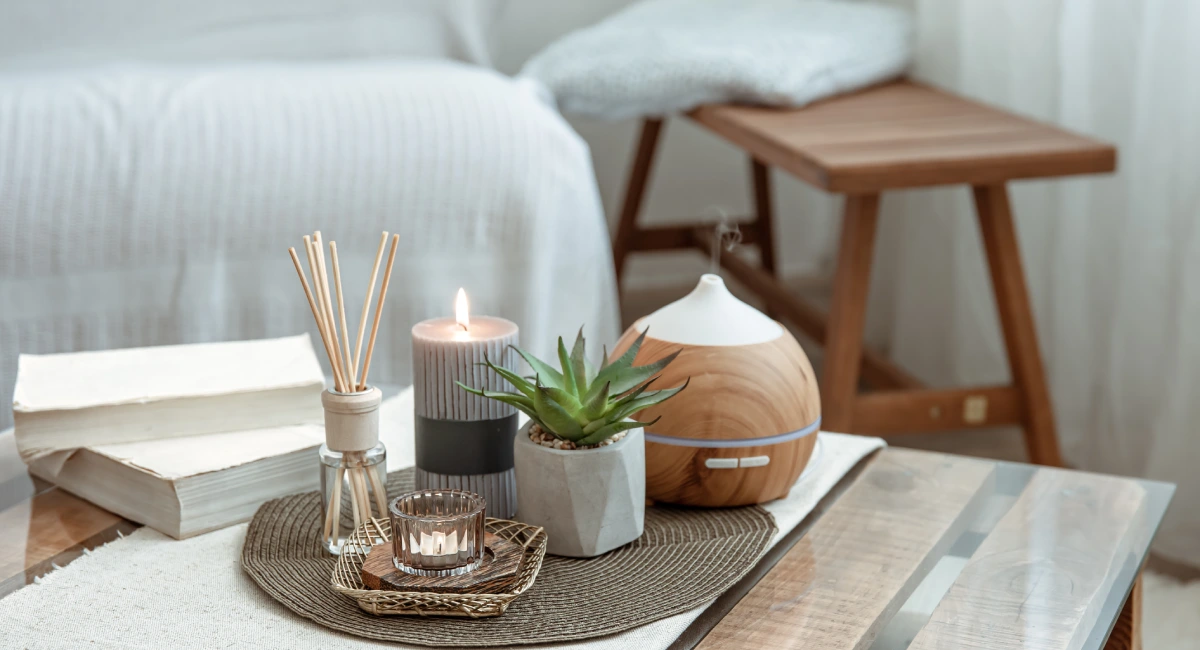

Let’s bypass the usual design clichés for a moment. You can obsess over finding the exact shade of Fragrances neutral paint, drop half a paycheck on a statement coffee table, and meticulously arrange linen pillows. But the absolute second a guest steps through your front door, their brain makes an instantaneous, subconscious verdict about your space before they even take off their shoes. That verdict is based entirely on one completely invisible factor: how your home smells.
We’ve all experienced the two opposite ends of this spectrum. You walk into one house, and it instantly feels like a high-end boutique hotel—calming, expensive, and effortlessly clean. You walk into another, and despite looking spotless, it carries the faint, unmistakable ghost of yesterday’s dinner or a damp bath mat.
Scents have a direct, unmediated highway to the amygdala—the part of the brain that processes raw emotion and memory. In a fast-moving, overstimulated world, mastering home fragrance isn’t just about masking odors with synthetic perfumes. It is a form of sensory architecture. It is the intentional design of an environment that lowers your nervous system’s stress levels the exact moment you drop your keys at the door.
But walking down the home fragrance aisle right now is overwhelming. The shelves are packed with an endless sea of candles, reed diffusers, room sprays, and ultrasonic plug-ins. How do you distinguish between a high-end scent and a cheap, synthetic headache in a bottle? More importantly, how do you map these fragrances so every room serves its actual psychological purpose? Let’s pull back the curtain on how to curate a home that smells intentionally designed, deeply fresh, and utterly unforgettable.
Zone-by-Zone Fragrance Mapping: Tailoring the Scent to the Space

One of the biggest mistakes people make when trying to elevate their space is buying a single scent in bulk and blasting it across the entire house. A rich, heavy fragrance that makes your living room feel like a cozy cabin will absolutely ruin the environment of a kitchen or a bathroom. To build a genuinely sophisticated sensory experience, you need to treat each room like a completely different chapter of a book.
1. The Entryway: Fragrances Fine-Tuning Your Home’s “First Impression”
The entryway handles your home’s opening statement. It needs to feel universally welcoming, crisp, and immediately clean without choking your guests with an aggressive cloud of perfume as soon as they open the door.
- The Psychological Vibe: Open, airy, refreshing, and effortlessly polished.
- The Fragrance Notes: Look for crisp citruses (bergamot, Meyer lemon, white grapefruit), light, non-cloying florals (neroli, orange blossom), or clean, watery greens (white tea, bamboo).
- The Delivery Method: Reed diffusers are the undisputed heroes of the entryway. Because they emit a continuous, low-maintenance stream of fragrance without needing a flame or electricity, your home always smells intentional, even if you’ve been away for a weekend.
2. The Living Room: Crafting the Ultimate Cooldown Zone Fragrances
The living room is your central sanctuary. It’s where you decompress after a long day, host deep conversations with friends, or curl up on the couch for hours. The fragrance here should act like an invisible, warm blanket—grounding, complex, and deeply relaxing.
- The Psychological Vibe: Warm, inviting, grounding, and multi-layered.
- The Fragrance Notes: Rich amber, cedarwood, sandalwood, soft leather, roasted vanilla bean, and light tobacco leaf.
- The Delivery Method: This is where high-quality candles belong. The flickering amber glow of a burning candle adds a crucial visual and sensory layer of comfort that an electronic device simply cannot emulate.
3. The Kitchen: Sharp, Culinary, and Strictly Non-Competing

The kitchen is a massive trap for home fragrance. If you burn a sugary-sweet, heavy vanilla or pumpkin candle while trying to cook a savory meal, the resulting clash of aromas can be genuinely nauseating. Your kitchen fragrance should never try to smell like dessert; it should act as a functional palate cleanser.
- The Psychological Vibe: Zesty, herbaceous, crisp, and clean.
- The Fragrance Notes: Crushed mint, wild basil, rosemary, thyme, and sharp lemon peel. Earthy herbs and bright citruses naturally slice through lingering cooking oils and grease odors without competing with the actual food you are preparing.
- The Delivery Method: A high-quality culinary room spray for quick post-cooking resets, or keeping a premium, herb-scented dish soap and countertop spray by the sink that leaves a faint, functional trail of freshness.
4. The Bedroom: The Sacred Space for Deep Sleep
Your bedroom is your private recovery pod. The goal here is straightforward: quiet a racing mind, drop your cortisol levels, and signal to your body that it is safe to sleep. You want to avoid anything sharp, energetic, or overly stimulating.
- The Psychological Vibe: Serene, tranquil, hypnotic, and soft.
- The Fragrance Notes: Classic French lavender, chamomile, warm milk, clary sage, and soft white musks.
- The Delivery Method: An ultrasonic oil diffuser running a high-quality, pure essential oil blend right before bed. It adds a touch of light humidity to the air and creates a calming, predictable nighttime ritual that cues your brain for sleep.
Stop Burning Cash: How to Spot Premium Quality vs. Cheap Chemicals

The home fragrance market is flooded with mass-produced items that don’t perform. We’ve all bought that cheap, impulse-buy grocery store candle that smells incredible in the jar, only to light it at home and realize it either smells like burning industrial plastic or has completely zero “throw”—the technical term for how far a scent actually travels in a room.
To stop wasting your money, you need to understand two key components of fragrance quality:
The Wax Baseline Fragrances
When buying candles, turn the jar over and ruthlessly check the label. Avoid paraffin wax completely. Paraffin is a petroleum byproduct (essentially refined crude oil). It burns fast, hot, and dirty, releasing a faint black soot that can over time stain your walls and furniture.
Instead, invest strictly in soy wax, coconut wax, or beeswax. These natural, plant-based waxes have a much lower melting point, meaning your candle burns up to 50% slower, lasts twice as long, and throws the fragrance oils much more cleanly into the air without chemical interference.
The Complexity of the Blend Fragrances
Cheap air fresheners and budget candles rely on flat, single-note synthetic chemicals (think “artificial strawberry” or “fake pine tree”). High-end home fragrances are formulated exactly like fine personal perfumes. They possess a classic three-tier structure:
| Scent Tier | Lifespan | Common Examples |
|---|---|---|
| Top Notes | Hits you the instant you open or light it; sharp and immediate. | Citrus, Eucalyptus, Mint |
| Heart Notes | The true personality of the scent; develops after 15–20 minutes. | Lavender, Jasmine, Green Tea, Basil |
| Base Notes | Heavy, rich compounds that linger in the room’s fabric for days. | Amber, Sandalwood, Oud, Vanilla, Cedar |
Stylist Secrets: Fragrances Making Scent Last Without Constantly Lighting Flames

If you want your home to smell incredible around the clock without turning into a full-time candle butler, you can use the exact same subtle tricks that luxury interior designers use when staging multi-million dollar homes.
- The Textile Mist Revolution: Scent clings to porous textiles significantly better than it floats in the moving air. Invest in a dedicated, linen-safe fabric mist. Lightly spray your floor-to-ceiling curtains, your fabric sofa, and the underside of your area rugs once a week. Every time a breeze blows through the window or someone sits on the couch, a subtle, fresh wave of fragrance releases into the room.
- The Vacuum Infusion Trick: Take two cotton balls, saturate them in a clean, high-grade essential oil (like eucalyptus, tea tree, or lavender), and drop them directly into your vacuum cleaner’s bag or dust canister. As you clean your home, the warm internal air exhausting from the vacuum will beautifully disperse a fine, clean scent across every single square inch of your floors.
- Rotate to Defeat “Nose Blindness”: Have you ever noticed that you can’t smell your own home’s signature scent after a couple of weeks? Your brain automatically filters out constant, unchanging sensory data to keep your nervous system from overloading—a biological process known as olfactory adaptation. To combat this, rotate your home fragrance profile with the seasons. Use bright, watery, herbal notes in the spring and summer, and transition to heavier, smoky, spiced woods the second the autumn air chills.
Designing a Sanctuary for Fragrances Your Mind

At the end of the day, curating your home’s fragrance profile isn’t about being superficial or showing off for guests. It is an accessible, powerful act of daily self-care. You are taking active control of your immediate environment and making sure that the physical space you return to every single day actively supports your mental well-being.
When a home smells clean, balanced, and intentional, it instantly transforms the psychological weight of the walls around you. It stops being just a house, and it becomes a genuine sanctuary. Pick just one room this week, invest in a natural, high-quality fragrance medium, and watch how quickly the entire mood of your living space shifts.
FAQs
1. What is “scentscaping” and how do I do it?
It’s the trend of using different fragrances to zone your home by mood or activity. You might use an energizing citrus or matcha scent in your home office to focus, and transition to a grounding lavender or warm amber in the bedroom to wind down.
2. What are “savory gourmand” or “neo-gourmand” scents?
Sweet home fragrances have evolved. Instead of sugary, dessert-heavy vanilla, 2026 is all about sophisticated, culinary-inspired savory notes. Think pistachio, matcha, roasted chestnut, black sesame, and freshly baked sourdough.
3. Do functional fragrances actually impact your mood?
Yes. Driven by wellness trends, modern home fragrances utilize specific scent chemistry (like eucalyptus for mental clarity or rosemary and hinoki for stress reduction) to actively alter your physiological state and support mindfulness.
4. Why are smart and “cold-air” diffusers replacing traditional candles?
Convenience and scent integrity. App-controlled and waterless cold-air diffusers are dominating because they preserve the pure quality of fragrance oils without heat, don’t leave oily residues, and allow you to automate your home’s scent schedule from your phone.
5. What are the top trending home fragrance notes right now?
- Tea & Beverage Accords: Matcha, chai latte, and espresso. AURA Candle Bar
- Moody Woods & Incense: Smoked oud, agarwood, and vetiver. AURA Candle Bar
- Sophisticated Freshness: Golden peach, tomato leaf, and mineral-heavy aquatics.




Leave a Reply