

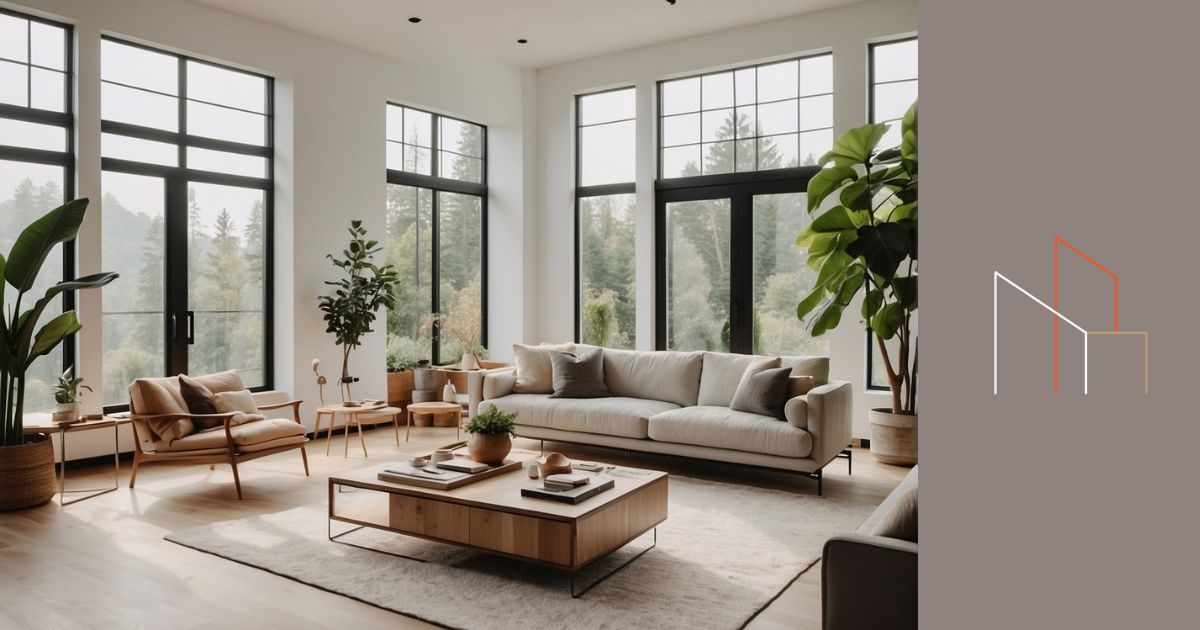

We are seeing a beautiful, collective sigh of relief in home design. The focus has completely shifted away from rigid, untouchable spaces and moved toward creating homes that are deeply comforting, incredibly functional, and undeniably welcoming. Today’s spaces balance a sleek modern look with real-world practicality, sustainability, and smart tech that actually makes your life easier rather than more complicated.
Instead of chasing fleeting, hyper-specific internet aesthetic trends that feel outdated in six months, we are leaning hard into timeless styles, flexible floor plans, and materials that get better with age. Whether you are planning a massive top-to-bottom renovation, moving into a brand-new house, or just looking to refresh a tired living room corner, understanding these evolving design shifts can help you build a sanctuary that reflects who you are while dramatically increasing your daily comfort. Let’s lift the hood on the major movements defining our living spaces today.
Sustainable Design is No Longer Optional

Warm minimalism in action: The rise of comforting, organic spaces. Source: MOOR-ROOM
This mindset shift has caused an explosion in the popularity of reclaimed, recycled, and rapidly renewable materials. We are seeing incredible things done with rescued barn wood, architectural salvaged metals, and sustainably harvested bamboo flooring that rivals the durability of traditional oak. Beyond the structural elements, people are actively investing in their home’s mechanical footprint. High-efficiency, insulated window units, low-energy LED ambient architectural lighting, water-saving smart fixtures, and toxin-free, zero-VOC paints are standard expectations. For those looking long-term, integrating residential solar setups and smart battery storage has transitioned from an experimental luxury to a highly practical way to slash monthly utility bills.
The Great Color Shift: Embracing Warm, Earthy Palettes
For nearly a decade, residential interiors were locked in the grip of “cool gray.” Walls, floors, kitchens, and couches were blanketed in icy, monochromatic tones that, while clean, could often leave a home feeling detached and a bit institutional.
The pendulum has swung decisively in the opposite direction. Designers are completely swapping those sterile undertones for rich, nature-inspired warmth. These earth-driven palettes work wonders for our mental well-being, instantly signaling to our brains that we are in a safe, deeply relaxing space.
- The New Neutrals: Soft, creamy beiges, warm alabaster whites, and sandy tones are replacing stark canvas backdrops.
- The Grounding Accents: Terracotta, sun-baked clay, and soft muted rusts are adding effortless depth to accent walls, rugs, and upholstery.
- The Botanical Influence: Deep olive greens, rich sage, and forest tones are bringing a comforting outdoor tranquility straight into our bedrooms and home offices.
These colors excel because they play incredibly well with changing natural light throughout the day and form a perfect partnership with natural materials like unvarnished wood, raw stone, and relaxed linen fabrics.
Technology That Feels Invisible

Smart home tech has officially grown up. We are moving away from the novelty phase of having gadgets just for the sake of gadgets—nobody wants a glitchy, over-complicated interface that requires an engineering degree just to dim the living room lights. Instead, the focus is now on ambient technology: smart systems that work quietly in the background to enhance your comfort without screaming for attention.
Think about automated window treatments that sync with your morning alarm, gradually opening to let in natural sunlight rather than a jarring audio alert. Consider intelligent thermostats that study your family’s weekly routine to micro-adjust room temperatures, maximizing both comfort and energy savings. From discreet video doorbells and seamlessly integrated architectural security systems to smart kitchen appliances that track inventory and self-clean, tech is now actively designed to serve the human experience, keeping clutter out of sight and off your countertops.
The Rise of the Chameleon: Multifunctional Spaces
The way we use our homes has permanently transformed. The traditional, rigid layout where every single room had exactly one designated purpose doesn’t match the reality of modern life, where remote work, creative side-hustles, and home fitness are thoroughly blended. Spaces now have to be chameleons.
[Traditional Layout] [Modern Flexible Layout] ├── Separate Dining Room └── Multi-use Zone (Dining + Workspace) ├── Single-purpose Guest Room └── Dual-purpose Space (Office + Hidden Murphy Bed) └── Standard Living Room └── Active Space (Living Area + Concealed Storage)
Designers are achieving this fluid functionality through brilliant spatial planning and modular furniture. We’re seeing dedicated home offices equipped with beautiful hidden wall beds, allowing the space to transition into a welcoming guest suite in under two minutes. Dining areas are being built with integrated, custom cabinetry that neatly conceals a computer monitor and keyboard when dinner time rolls around. Living rooms are utilizing oversized modular sectionals that can be completely rearranged for a movie night or a large family gathering, paired with hidden storage ottomans and custom folding tables that appear only when needed.
.Biophilic Design: Inviting the Outdoors In

As humans, we have an innate biological need to connect with the natural world—a concept known as biophilia. Because many of us spend upwards of 90% of our days indoors, interior design has stepped up to bridge that gap by pulling organic elements directly through the front door.
This means far more than just popping a single potted succulent on your desk. It’s an intentional design strategy centered around expansive, unobstructed windows that frame outdoor views, maximizing daylight exposure to regulate our natural circadian rhythms. It involves incorporating heavy, tactile textures like raw travertine stone fireplace surrounds, solid edge-grain wooden tables, and pure linen drapes that catch the breeze. To top it off, we are seeing the integration of living green walls, indoor herb gardens built straight into kitchen alcoves, and a heavy reliance on organic shapes over harsh, artificial geometric angles. The result isn’t just a prettier room; it’s an environment that genuinely lowers cortisol levels, improves indoor air quality, and boosts your daily mood.
Comfort-First Minimalism
Minimalism has earned a bad rap over the years for looking barren, cold, and entirely unlivable. The modern iteration of this style flips that stereotype entirely on its head, focusing on “warm minimalism.” This design philosophy strips away chaotic visual clutter while dialing the comfort levels up to eleven.
Instead of empty, cavernous rooms, look for clean architectural lines anchored by deeply cushioned, incredibly cozy seating. Storage is built directly into the architecture—hidden flush-mount cabinets and secret under-stairs storage handle the mess of daily life, leaving surfaces beautifully clear. Furniture is chosen based on a “fewer but better” mentality, prioritizing exceptional craftsmanship, rich fabrics like bouclé and heavy cotton wove, and highly functional pieces that serve a distinct purpose. It feels open and incredibly breathable, yet fundamentally warm, cozy, and thoroughly lived-in.
Sculptural and Statement Lighting

Lighting is no longer viewed as a purely utility-driven afterthought tacked onto a ceiling at the end of a build. Today, lighting is treated as the literal jewelry of the home. Fixtures have become bold, sculptural art pieces that establish the entire mood and character of a room before you even flip the switch.
The key to mastering this is layered lighting design. Instead of relying on a single, aggressive overhead light source, spaces are shaped by combining three distinct layers:
- Ambient Lighting: Recessed LED strips tucked into ceiling coves or under cabinets to provide a soft, non-glare, continuous glow across the room.
- Task Lighting: Highly focused, adjustable, and visually striking lamps over reading chairs, kitchen islands, and desks.
- Accent Lighting: Elegant wall sconces and artistic pendant lights designed to highlight specific architectural features, artwork, or textured surfaces.
Tactile Textures Over Flat Surfaces
When your color palette leans into soft, calming neutrals, how do you prevent a room from looking incredibly boring? The secret weapon is texture. Mixing distinct textures adds immediate visual weight, warmth, and character to a space without relying on loud, distracting patterns.
Designers are masterfully layering contrasting materials within a single space. You might see a matte, rough-hewn wooden coffee table sitting on top of a deeply textured wool rug, positioned right next to a sofa upholstered in soft, looped bouclé fabric. On the walls, flat paint is giving way to hand-applied plaster finishes, lime-wash textures, and dimensional wallpapers. Throw in some handmade, irregular ceramics, sleek marble accents, and woven rattan details, and a room instantly goes from flat and uninspired to rich, layered, and incredibly interesting to look at.
The Heart of the Home: Kitchen Evolutions


The modern kitchen continues to be the absolute epicenter of daily life, but its design is becoming sleeker and far more integrated into the rest of the home’s living areas. The goal here is a space that handles the chaos of heavy cooking while looking like a beautiful, seamless extension of your living room.
To achieve this, we are seeing a massive move toward appliance garage integration and handle-free, touch-to-open flat panel cabinetry. Refrigerators, dishwashers, and pantries are completely hidden behind custom panels that blend right into the walls. Massive center islands remain a total must-have, but they are expanding to feature beautiful, highly durable quartz or porcelain countertops with waterfall edges, serving as preparation zones, homework stations, and casual entertaining hubs all at once. Heavy upper cabinetry is being selectively traded for floating open wooden shelves, allowing homeowners to display curated dishware and greenery, making the kitchen feel significantly more open, airy, and light.
Bathrooms as Private Wellness Sanctuaries
Bathrooms are transitioning away from cold, utilitarian washrooms and evolving into full-blown, resort-inspired wellness sanctuaries. People are actively look to escape the frantic pace of the outside world, and they want their primary bathrooms to feel like a premium day spa.
- The Wet Room Concept: Massive walk-in showers featuring frameless glass panels, dual rainfall showerheads, and integrated stone bench seating are incredibly popular.
- Floating Vanities: Wall-mounted wooden vanities lift off the floor entirely, creating an illusion of continuous space and a clean, floating aesthetic.
- Smart Upgrades: Touchless smart faucets, voice-activated water temperature controls, heated towel racks, and luxurious under-floor radiant heating systems are transforming morning routines.
- Natural Materials: Textured stone tiles, continuous marble vanities, and soft, warm ambient backlighting behind mirrors create a deeply relaxing atmosphere perfect for unwinding at the end of a long day.
A Quick Cheat Sheet to Current Design Styles
If you’re looking to redefine your home’s aesthetic, it helps to know how these overarching trends translate into established design languages. Here is a breakdown of the defining styles ruling modern interiors:
| Style | The Core Visual Vibe | Key Materials to Use |
|---|---|---|
| Scandinavian | Bright, airy, and entirely focused on daily utility and cozy comfort (hygge). | Light ash or white oak woods, cozy wool knits, and simple, functional furniture lines. |
| Japandi | The ultimate intersection of rustic Japanese simplicity and warm Scandinavian functionality. | Low-profile furniture, natural bamboo, black accent metals, and raw, unfinished ceramics. |
| Contemporary | Sleek, current, and constantly evolving with smooth, high-end finishes and bold contrast. | Polished stone, custom glass panels, matte black hardware, and statement architectural lighting. |
| Industrial | Raw, edgy, and celebrate structural elements that are traditionally hidden away. | Exposed brick, distressed concrete floors, structural steel beams, and weathered leather. |
| Rustic Modern | Traditional, old-world country warmth met with clean, updated architectural layouts. | Rough-sawn timber beams, massive stone fireplaces, linen textiles, and clean modern sofas. |
Ultimately, creating an exceptional home isn’t about perfectly replicating a specific design style or buying up every trend you see online. It’s about understanding how these different elements—warm tones, natural textures, smart layouts, and seamless tech—can be tailored to fit your specific daily life. When you design a home with real everyday utility and personal comfort at the center of your decisions, you build a space that doesn’t just look incredible—it genuinely feels like home.
FAQ’s
1. What is the biggest home design trend in 2026?
Sustainable and smart home design.
2. Which colors are trending for homes in 2026?
Warm neutrals, beige, terracotta, olive green, and soft white.
3. Why are smart homes becoming popular?
They improve convenience, security, and energy efficiency.
4. How can I update my home on a budget?
Use fresh paint, new lighting, décor, and smart storage solutions.
5. What is the Japandi design style?
A blend of Japanese simplicity and Scandinavian functionality.




Leave a Reply