


In Italy, food is the center of daily life. Italian Food While the rest of the world views pizza and pasta as quick weeknight options, true Italian cooking is based on a distinct approach: absolute simplicity, regional ingredients, and eating what is currently in season.
From the northern mountains to the coast of Sicily, the main rule remains the same: let the ingredients dominate. You do not need complicated techniques when you use ripe tomatoes, high-quality olive oil, and fresh local cheese.
Geography directly shapes the country’s menus. The local terrain dictates what ends up on the plate, relying heavily on regional agricultural traditions and ingredients from local markets. Because Italy was a collection of independent states until 1861, regional cuisines vary drastically. Traveling just 50 miles can completely change the local specialties.
Italian Food Iconic Dishes and Practical Details


Pizza Napoletana
Real Neapolitan pizza follows strict legal protections to maintain its authentic style. The dough uses only highly refined Tipo 00 flour, water, salt, and yeast, fermenting for up to 24 hours to create a light, digestible crust.
It bakes in a wood-fired stone oven at 900°F (485°C) for just 60 to 90 seconds. This creates charred, airy bubbles on the crust while keeping the center soft. Toppings are minimal: San Marzano tomatoes, fresh buffalo mozzarella, basil leaves, and olive oil. Locals eat it with a knife and fork, or fold it into a “wallet” shape to eat on the street.
Fresh Pasta
Dried pasta is common in the warm south because it air-dries well, but northern and central Italy focus on fresh pasta (pasta fresca). It is hand-rolled using soft wheat flour and egg yolks to create a tender texture.
Specific shapes are paired with specific sauces:
- Tagliatelle and Pappardelle: Wide, flat ribbons that hold heavy, slow-cooked meat ragùs.
- Ravioli and Tortellini: Stuffed pasta pockets served simply in clear broth or melted butter and sage.
- Fettuccine: Smooth ribbons that absorb emulsified sauces.
Spaghetti Carbonara
Authentic Roman Carbonara uses no cream, milk, garlic, or peas. The sauce relies entirely on food chemistry: hot pasta water emulsified with raw egg yolks and grated Pecorino Romano (a sharp sheep’s milk cheese).
The flavor base comes from guanciale (cured pork cheek), rendered down until crispy. The hot pasta is tossed in the pork fat off the heat, mixed with the egg and cheese cream, and finished with cracked black pepper.
Risotto


In the northern Po Valley, short-grain rice varieties like Arborio and Carnaroli take the place of pasta because of their high starch content.
The technique requires adding hot broth one ladle at a time while stirring continuously. This action releases the rice starches, creating a rich sauce without using cream. At the end, the pan is removed from the heat, and cold butter and Parmigiano-Reggiano are beaten in (mantecatura) until the texture is fluid and wavy (all’onda).
Lasagna
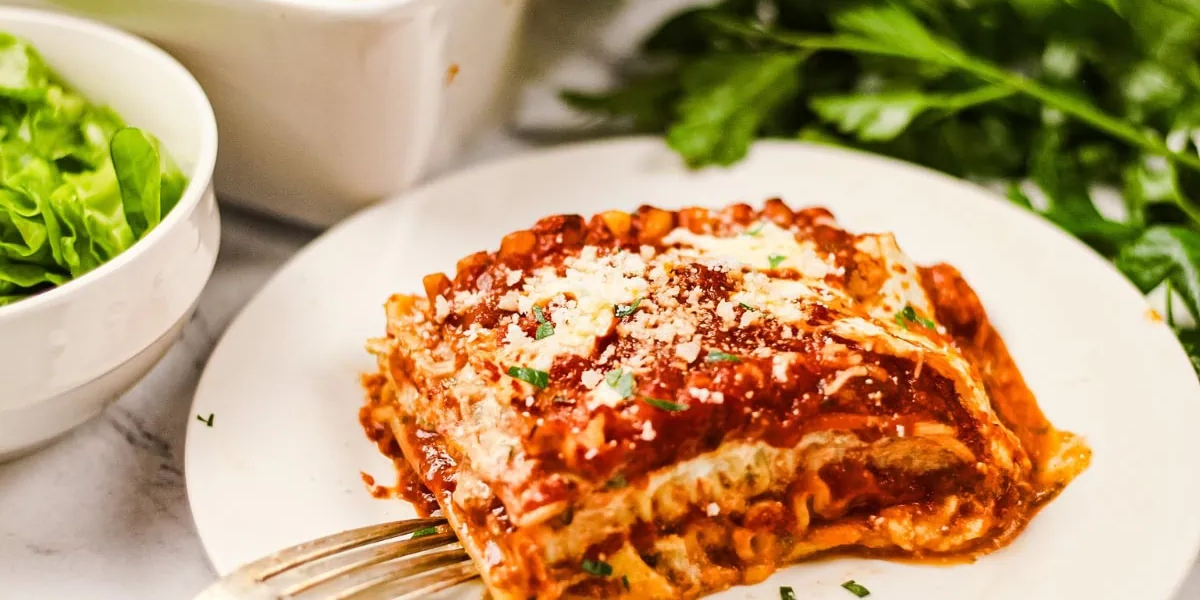
Real Lasagne alla Bolognese uses thin sheets of spinach-infused egg pasta layered with two components: a savory meat ragù simmered for hours with beef, pork, and a splash of milk, and a lightweight béchamel sauce. It contains no ricotta or cottage cheese.
Gnocchi
Gnocchi are small potato dumplings made by mashing starchy boiled potatoes and mixing them with just enough flour to bind the dough. Overworking the dough makes them heavy and gummy, so a light touch is essential to keep them soft before they are boiled and tossed in tomato sauce or pesto.
Pesto alla Genovese


Authentic Ligurian pesto is made with a marble mortar and wooden pestle rather than a food processor, which spins fast enough to heat and oxidize the basil. The ingredients are ground in order: garlic and sea salt, pine nuts, fresh basil leaves, aged cheeses, and Ligurian olive oil.
Ossobuco
This Milanese dish features a thick veal shank cross-cut to expose the marrow bone in the center. It is seared in butter, then braised for hours with white wine, broth, carrots, celery, and onions. It is served with gremolata—a mix of fresh parsley, garlic, and lemon zest that balances the rich meat.
Arancini
These Sicilian fried rice balls are stuffed with meat ragù, peas, and mozzarella or caciocavallo cheese. The balls are coated in breadcrumbs and deep-fried until crunchy, serving as a popular street food.
Bruschetta


Pronounced broo-sketta, this dish started as a way for farmers to sample fresh olive oil. Slices of rustic sourdough bread are grilled, rubbed lightly with a raw garlic clove while hot, and soaked in high-quality olive oil and salt.
Parmigiana di Melanzane
Eggplant parmesan is a classic southern baked dish. Slices of eggplant are salted to remove bitterness, fried until tender, layered with simple tomato sauce, fresh mozzarella, and Parmigiano, and then baked until bubbling.
Italian Food Classic Desserts

Tiramisu
Created in the Veneto region, this dessert uses ladyfingers (savoiardi) dipped briefly in strong espresso. They are layered with a cream made of whipped egg yolks, sugar, and mascarpone cheese, then dusted with bitter cocoa powder.
Gelato
Gelato differs from standard ice cream in three ways:
- Less Fat: It uses more milk than cream, meaning it doesn’t coat your tongue in butterfat, allowing you to taste flavors instantly.
- Less Air: Churned slowly, it has a dense, smooth texture.
- Warmer Temperature: It is served slightly warmer than ice cream so your mouth does not go numb, preserving the taste profile.
Cannoli
This Sicilian pastry consists of a crispy, fried dough shell filled with sweetened sheep’s milk ricotta. To prevent the shell from absorbing moisture and turning soggy, authentic cannoli must be filled to order rather than sitting pre-filled in a display case.
Regional Variations at a Glance
- The North: Uses butter, lard, and cream rather than olive oil. Rice and polenta are more common than pasta. Main ingredients include aged cheeses, stewed beef, and fresh truffles.
- The Center: Focuses on rustic cooking (cucina povera). Key items include cured meats, thick egg pastas, beans, and meats grilled over wood coals. Stale bread is recycled into vegetable dishes like Ribollita soup.
- The South and Islands: Driven by olive oil, tomatoes, and seafood. Flavors are sharp, utilizing capers, olives, and red chili flakes (peperoncino). Pastas are made from durum wheat and water. Sicily and Sardinia include historical Arabic influences like saffron, citrus, and raisins.
Dining Customs and Practical Tips

A traditional full-course Italian meal follows a structured sequence designed for pacing and digestion:
- Antipasto: A light appetizer like cured meats or marinated vegetables.
- Primo: A moderate starch course, such as pasta, risotto, or soup.
- Secondo: The main protein course, featuring meat or fish.
- Contorno: A simple vegetable side dish served alongside or after the protein.
- Dolce: A small dessert.
- Caffè e Digestivo: A quick espresso (never ordered with milk after 11:00 AM) followed by a small glass of herbal Amaro or Grappa to aid digestion.
How to find authentic food: Avoid restaurants featuring laminated, multi-language menus, photos of the food, or staff waving tourists inside. Look for small places labeled Trattoria or Osteria. These are family-run spots serving regional dishes based on what was available at the market that morning. Always order the local specialties of the specific city you are visiting.
FAQ’S
1.What is the most famous Italian food?
Pizza, pasta, lasagna, risotto, tiramisu, and gelato are among the most famous Italian foods enjoyed worldwide.
2.What makes Italian food unique?
Italian cuisine focuses on fresh ingredients, simple recipes, regional traditions, and high-quality olive oil, cheese, vegetables, and handmade pasta.
3.Which Italian dish should I try first?
Neapolitan pizza, Spaghetti Carbonara, fresh pasta, lasagna, and tiramisu are excellent choices for anyone new to Italian cuisine.
4.Is Italian food healthy?
Many traditional Italian dishes are balanced and nutritious because they include fresh vegetables, olive oil, lean proteins, whole ingredients, and moderate portions.
5.What dessert is Italy famous for?
Italy is famous for tiramisu, gelato, cannoli, panna cotta, and traditional biscotti, all of which are enjoyed around the world.




Leave a Reply