



Food has a unique way of bringing people together. Whether it’s a quick weekday breakfast, a family dinner, a festive celebration, or a casual weekend gathering with friends, sharing a delicious meal creates lasting memories. While dining out can be enjoyable, preparing meals at home gives you greater control over ingredients, flavors, and nutrition. Home cooking also allows you to experiment with different cuisines, customize recipes to your taste, and enjoy fresh, wholesome ingredients.
The best recipes are not always the most complicated ones. In fact, simple meals made with quality ingredients often become family favorites. With a little planning and creativity, you can prepare dishes that are both nutritious and satisfying without spending hours in the kitchen.
This guide explores easy, healthy, and delicious meal ideas for every occasion, helping you build a menu that’s suitable for everyday life as well as special celebrations.
Why Home Cooking Matters
Cooking at home offers many advantages beyond saving money. It gives you complete control over the ingredients you use, allowing you to prepare meals that fit your dietary preferences and nutritional needs. Fresh vegetables, lean proteins, whole grains, herbs, and healthy fats can all become regular parts of your meals.
Home cooking also encourages portion awareness and reduces reliance on highly processed foods. Preparing meals together can become an enjoyable family activity, teaching valuable cooking skills while creating meaningful moments around the dining table.
Even if you have a busy schedule, simple recipes with minimal ingredients can make home cooking practical and enjoyable.
Healthy Breakfast Recipes


Breakfast provides an opportunity to start the day with nourishing foods that support energy and focus. A balanced breakfast often includes protein, fiber, healthy fats, and complex carbohydrates.
Delicious Dinner Recipes
Dinner is often the meal where families gather to relax and reconnect after a busy day. Fortunately, preparing a flavorful dinner doesn’t have to be difficult.
Smart Meal Planning Tips
Planning meals ahead of time can make grocery shopping easier and reduce food waste. Creating a weekly menu helps ensure that you have the ingredients needed for healthy meals throughout the week.
Preparing ingredients in advance—such as washing vegetables, cooking grains, or marinating proteins—can save valuable time during busy evenings. Keeping pantry staples like olive oil, canned beans, whole grains, herbs, and spices on hand also makes it easier to prepare quick meals whenever needed.
Most importantly, remember that healthy eating doesn’t require perfection. A balanced approach that includes a variety of fresh ingredients, simple recipes, and occasional treats can make cooking enjoyable and sustainable for the long term.
Special Occasion Recipes
Special occasions deserve meals that are both memorable and enjoyable. Whether you’re celebrating a birthday, holiday, anniversary, or family gathering, choosing recipes that are easy to prepare and full of flavor helps everyone enjoy the moment.
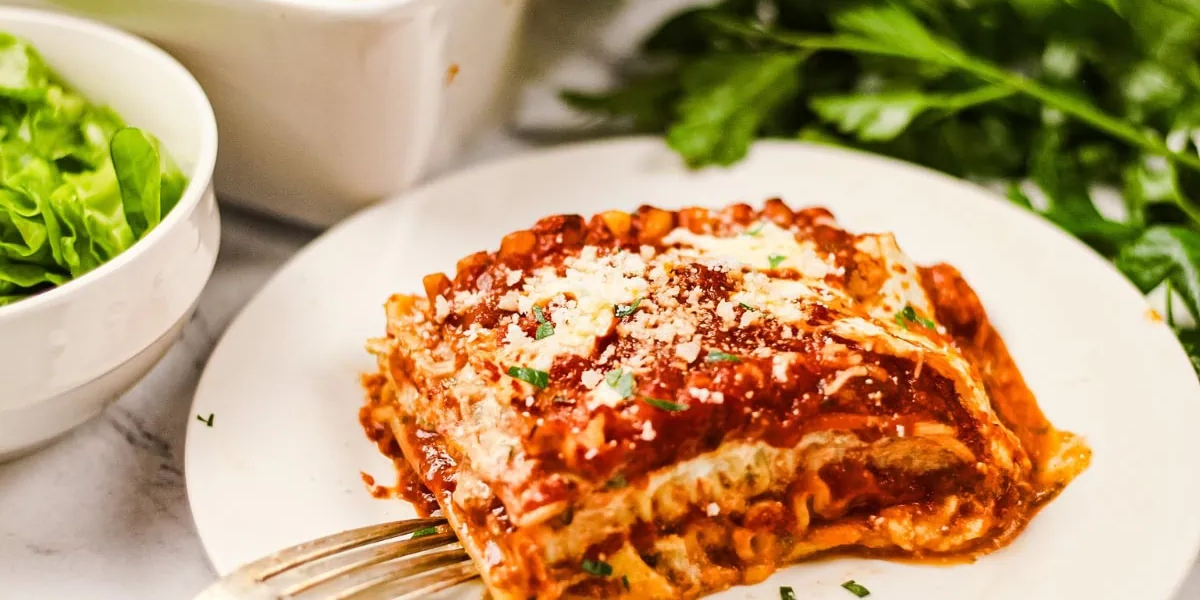
A roasted herb chicken served with mashed potatoes and seasonal vegetables is a timeless choice for family dinners. For seafood lovers, grilled shrimp with lemon butter and fresh herbs offers an elegant yet simple meal. Pasta dishes such as creamy mushroom pasta or baked vegetable lasagna are also popular because they can be prepared in advance and served to a group with ease.
Adding a fresh garden salad, homemade bread, and a fruit platter completes the meal while providing a variety of flavors and textures.
Family-Friendly Meals
Cooking for the whole family means preparing meals that are nutritious, satisfying, and appealing to both adults and children. Simple recipes made with fresh ingredients often become household favorites.
Some family-friendly meal ideas include:
- Homemade vegetable pizza on whole wheat crust
- Turkey or bean tacos with fresh salsa
- Baked chicken with roasted sweet potatoes
- Beef and vegetable stir-fry with brown rice
- Homemade macaroni with vegetables and cheese
- Chicken and vegetable soup
- Stuffed bell peppers with rice and lean meat
- Grilled sandwiches served with fresh salad
These recipes are easy to customize according to individual tastes and dietary preferences.
Healthy Snacks

Healthy snacks help maintain energy levels between meals and reduce the temptation to choose heavily processed foods.
Easy snack ideas include:
- Apple slices with peanut butter
- Mixed nuts and seeds
- Fresh fruit salad
- Greek yogurt with berries
- Carrot and cucumber sticks with hummus
- Cottage cheese with pineapple
- Air-popped popcorn
- Whole-grain crackers with cheese
- Homemade trail mix
- Boiled eggs
Preparing snacks in advance makes healthy choices more convenient during busy days.
Delicious Desserts
Dessert doesn’t have to be overly complicated to be enjoyable. Fresh ingredients and simple preparation often produce the best results.
Fruit parfaits layered with yogurt and granola create a light dessert suitable for any season. Baked apples sprinkled with cinnamon offer a comforting option during cooler months. Homemade banana bread, oatmeal cookies, or dark chocolate-covered strawberries are also excellent choices for sharing with family and friends.
For celebrations, classic desserts such as cheesecake, carrot cake, or berry tarts remain popular while allowing room for creative presentation.
Seasonal Cooking Ideas
Cooking with seasonal ingredients often provides the best flavor and freshness while supporting local food availability.
Spring
Spring menus commonly feature asparagus, peas, strawberries, spinach, and fresh herbs. Light salads and grilled vegetables become popular as temperatures rise.
Summer
Summer is ideal for fresh berries, tomatoes, cucumbers, watermelon, peaches, and corn. Barbecues, grilled seafood, and refreshing salads are common seasonal favorites.
Autumn
Autumn brings pumpkins, squash, apples, sweet potatoes, mushrooms, and pears. Soups, roasted vegetables, and baked dishes become especially comforting.
Winter
Winter meals often include root vegetables, cabbage, citrus fruits, broccoli, and hearty stews. Warm casseroles and slow-cooked meals help create satisfying family dinners.
Using seasonal ingredients not only enhances flavor but also introduces variety throughout the year.
Kitchen Tips for Better Cooking

Improving your cooking skills doesn’t require expensive equipment. A few practical habits can make meal preparation more enjoyable.
- Read the recipe before starting.
- Prepare ingredients before cooking.
- Use fresh herbs for extra flavor.
- Taste food as you cook.
- Keep knives sharp for easier preparation.
- Store leftovers safely.
- Clean as you go to reduce kitchen clutter.
- Experiment with herbs and spices.
- Cook extra portions for future meals.
- Focus on balance rather than perfection.
Small improvements in organization and preparation can make cooking faster and less stressful.
Building Healthy Eating Habits
Healthy eating isn’t about following strict rules—it’s about creating sustainable habits that work for your lifestyle.
Consider these simple practices:
- Eat a variety of colorful fruits and vegetables.
- Choose whole grains whenever possible.
- Include lean protein sources.
- Stay hydrated throughout the day.
- Limit highly processed foods.
- Practice mindful eating by slowing down during meals.
- Enjoy occasional treats without guilt.
- Cook at home more often.
- Plan meals ahead of time.
- Share meals with family and friends whenever possible.
Consistency is more important than perfection. Small, positive choices made regularly can contribute to a balanced eating pattern.
Conclusion
Great food doesn’t have to be complicated. Whether you’re preparing breakfast before work, packing lunch for the day, cooking dinner for your family, or hosting a special celebration, simple recipes made with fresh ingredients can create satisfying meals for every occasion.
Home cooking allows you to explore new flavors, enjoy healthier ingredients, and create meaningful memories around the table. By combining nutritious foods with thoughtful meal planning and seasonal ingredients, you can build a collection of recipes that you’ll enjoy throughout the year.
The best meals are those shared with the people you care about. Focus on fresh ingredients, simple techniques, and balanced nutrition, and every meal can become an opportunity to enjoy good food and great company.
FAQ’s
1. What are easy meals for beginners?
Simple salads, pasta, soups, grilled chicken, and stir-fries are great beginner-friendly recipes.
2. How can I make meals healthier?
Use fresh ingredients, whole grains, lean proteins, and plenty of vegetables.
3. What foods are good for family dinners?
Roasted chicken, pasta, tacos, soups, casseroles, and grilled vegetables are popular family choices.
4. How can I save time when cooking?
Plan meals ahead, prep ingredients in advance, and cook larger batches for leftovers.
5. Why is home cooking beneficial?
Home cooking gives you more control over ingredients, portions, flavor, and overall meal quality.



Leave a Reply