

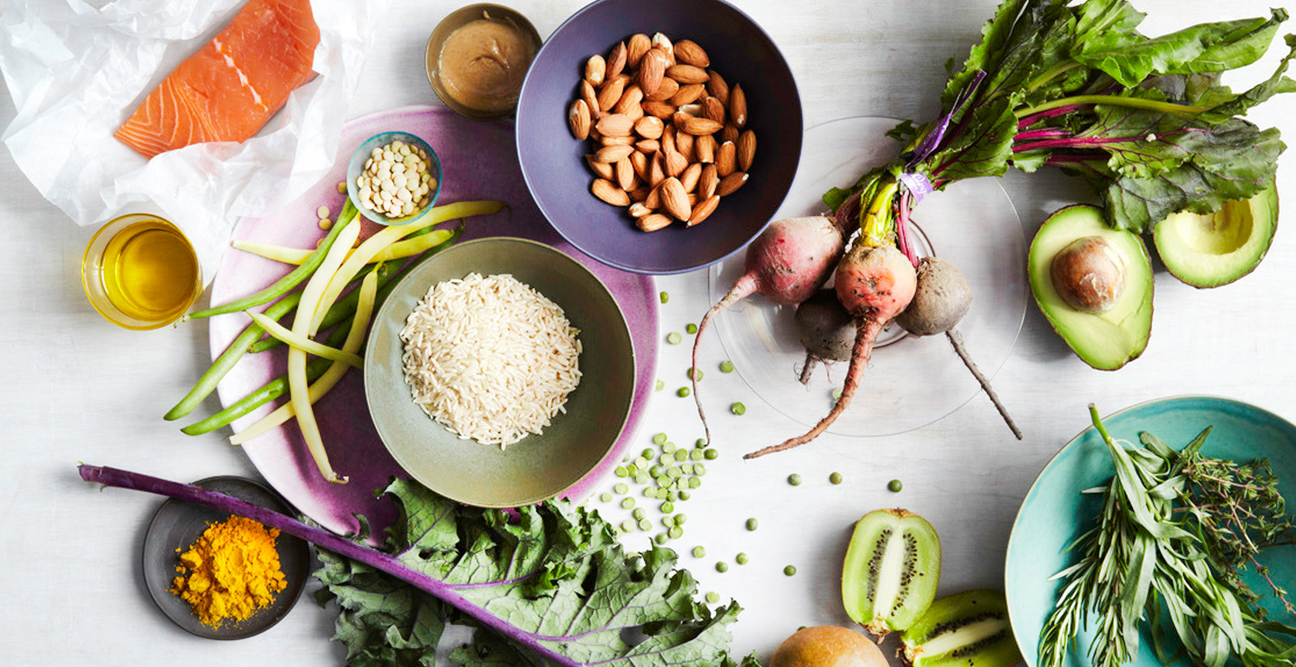

Let’s be completely honest with each other for a moment: trying to figure out what to eat in today’s hyper-fast, modern world can feel absolutely exhausting. We live in an era where we are constantly bombarded by conflicting dietary advice, flashy wellness influencers, and an overwhelming array of ultra-processed convenience foods designed to be cheap, quick, and practically addictive. One day we are told that carbohydrates are the ultimate enemy, and the next day a new documentary insists we need to cut out all fats or drink only celery juice for breakfast. It is a confusing, noisy landscape that leaves most of us feeling frustrated and defeated before we even step foot in a grocery store.
But here is the most liberating truth you can embrace today: fueling your body should never feel like a daily punishment, a restrictive prison, or a complicated math equation. Making smart, sustainable food choices is not about miserable deprivation or permanently banishing your favorite slice of pizza from your life. Instead, it is about completely shifting your mindset. Rather than asking, “What do I need to cut out and restrict?” start asking yourself, “How can I generously nourish my body with the premium fuel it actually needs to thrive?”
When you begin to look at food as essential, life-giving fuel rather than an emotional battleground or a scorecard, everything changes. A nutrient-dense, balanced diet does not just keep your organs functioning behind the scenes; it directly and profoundly impacts your daily life. It dictates how much vibrant energy you have to chase your personal goals, how sharply and clearly your brain processes information during a stressful workday, how effectively your immune system fights off seasonal bugs, and how resilient your body remains against long-term chronic illnesses.
Fortunately, significantly upgrading your nutrition does not require you to throw out everything in your pantry and adopt an all-or-nothing lifestyle. Small, sustainable, incredibly practical daily tweaks yield massive, compounding benefits over time. Let’s cut through the exhausting noise of diet culture and walk through a realistic, deeply human, and stress-free blueprint for building balanced eating habits that actually stick.
Demystifying “Balanced Nutrition”
If you have ever fallen into the anxiety-inducing trap of obsessing over individual “superfoods”—like forcing yourself to eat mountains of plain kale while ignoring the rest of your nutritional needs—it is time to zoom out and look at the big picture. True wellness is built on a diverse, cooperative matrix of nutrients. Think of your body as a high-performance vehicle. It needs a specific balance of components to run optimally: carbohydrates for immediate, combustible energy; proteins for the structural repair of your muscles and tissues; healthy fats for hormone production and brain health; and a vast spectrum of vitamins, minerals, and dietary fiber to keep the internal machinery running smoothly and cleanly.
Instead of micro-managing every single calorie or stressing over macros on a tracking app, focus simply on crowding out the low-nutrient options by consciously building a balanced plate. When you aim for variety—a mix of colorful veggies, a solid protein, and a hearty grain—you automatically ensure your body gets a vibrant mix of macro and micronutrients without the psychological burnout of constant counting.
Eat the Rainbow: Making Peace with Produce

We all know that fruits and vegetables are incredibly healthy, but they are often the first things we push off our plates. Think of produce as nature’s original, perfectly packaged multivitamins. They are packed to the brim with antioxidants that neutralize cellular stress, water that hydrates you from the inside out, and dietary fiber that keeps your digestive tract moving smoothly.
A great strategy is to focus on color. You don’t have to get stuck in a “green-only” rut. Different colors in nature signify different protective plant compounds. Beta-carotene gives carrots, sweet potatoes, and bell peppers their bright orange glow; lycopene powers the deep red in tomatoes and watermelon; and anthocyanins give blueberries and blackberries their deep, rich hues.
And let’s talk about a very human problem: the drawer of rotting vegetables in your fridge. If fresh produce tends to turn into a forgotten, slimy mess before you can cook it, give yourself permission to buy frozen. Frozen vegetables and fruits are flash-frozen at peak ripeness. This means they are often just as nutritious as the fresh versions, far less wasteful, and incredibly convenient to throw into a quick weeknight soup, stir-fry, or morning smoothie.
The Whole Truth About Carbohydrates
Carbohydrates have been unfairly villainized by the diet industry for decades, leading many people to fear bread and pasta. But carbs are your brain and body’s absolute preferred and most efficient source of fuel. The real secret doesn’t lie in cutting them out, but in choosing whole grains over heavily refined, highly processed alternatives.
Refined grains—like white sandwich bread, mass-produced pastries, and sugary breakfast cereals—have been stripped of their natural fiber and essential nutrients during processing. Eating them is like putting cheap, fast-burning paper on a fire; you get a rapid, massive spike in blood sugar followed by a nasty, sluggish energy crash. Whole grains, on the other hand, retain their entire grain kernel. They digest slowly, acting like a thick, dense log on that same fire. They provide a steady, reliable stream of sustained energy and actively support heart health. Start making simple swaps: trade standard white rice for a nutty brown rice or quinoa blend, swap sugary cereal for slow-burning rolled oats, or try whole-wheat pasta for your next spaghetti night.
Powering Up with Lean Proteins and Healthy Fats

If carbohydrates are your body’s immediate fuel, proteins and fats serve as the structural framework and the internal control panel. Leaving either of these out of a meal is a guaranteed fast track to feeling unsatisfied, moody, and reaching for a sugary snack just an hour later.
Meeting Your Protein Needs: Protein is incredibly satiating, meaning it communicates with your brain to tell you that you are full and satisfied. It is crucial for maintaining lean muscle mass, supporting cellular repair after a long day, and manufacturing the enzymes that run your metabolism. Keep your diet exciting by mixing up your sources. Lean animal proteins like skinless poultry, wild-caught fish, and eggs are fantastic. But do not sleep on plant-based powerhouses like black beans, lentils, chickpeas, and tofu. These plant options double as fantastic sources of dietary fiber, something animal proteins completely lack.
Embracing the “Good” Fats: We have thankfully moved past the misguided, low-fat craze of the 1990s. Did you know your brain is literally made of about 60% fat? Your body absolutely requires dietary fat to absorb vital, fat-soluble vitamins (like A, D, E, and K) and to keep your skin glowing and your joints lubricated. The goal is to steer clear of artificial trans fats and prioritize unsaturated fats. This is as simple as drizzling rich extra virgin olive oil over your salad, smashing a quarter of a creamy avocado onto your morning toast, or tossing a handful of walnuts into your oatmeal.
Navigating the Modern Food Wilderness

Knowing what to eat is only half the battle; the other half is surviving the sneaky traps hidden across grocery store shelves. Processed food manufacturers are incredibly skilled at making food hyper-palatable—tricking our brains into wanting more—by overloading items with added sugars and heavy sodium.
Excess added sugar triggers dramatic insulin spikes, promotes fat storage, and leaves you crashing. Meanwhile, an overabundance of sodium forces your cardiovascular system to work double-time, increasing blood pressure over the years. You don’t have to live a completely spice-free, zero-sugar lifestyle. Just become a bit of a grocery store detective. Flip the package over and look at the actual ingredients list. If sugar (or its sneaky aliases like high-fructose corn syrup, cane juice, or maltodextrin) is listed in the top three ingredients, it’s a dessert masquerading as a staple. When you cook at home, you control the salt shaker. Elevate your dishes using fresh garlic, onions, citrus juices, and robust spices like cumin or smoked paprika.
Master the Art of Liquid Hydration
Often, when we think we are experiencing a mid-afternoon sugar craving or brain fog, our bodies are actually just crying out for water. Mild dehydration can perfectly mimic the sensations of hunger, fatigue, and irritability. The single easiest health upgrade you can make today is replacing liquid calories—like daily sodas, heavily sweetened iced coffees, and energy drinks—with pure water. If plain water feels too boring, keep a pitcher in the fridge infused with sliced cucumber, fresh mint, or a squeeze of fresh lemon.
Mindset Shifts and the Logistics of Eating

You can have all the nutritional knowledge in the world, but it won’t matter if you don’t have a practical system to implement it. Healthy eating is ultimately a logistical habit, not a daily test of pure willpower. When you come home at 7:00 PM after a stressful workday, completely exhausted, your primitive brain is hardwired to seek out the fastest, easiest calories available.
This is where gentle meal planning saves the day. It doesn’t mean you have to spend your entire Sunday prepping identical, joyless plastic containers of chicken and broccoli. Start much smaller. Sketch a loose menu for just three dinners a week to remove the mental friction of decision fatigue. Batch-cook a double portion of your dinner so you have a built-in, nutritious lunch ready for the next day. Keep an emergency stash of healthy snacks—like hard-boiled eggs, raw almonds, or an apple—readily available at your desk so you aren’t forced to hit the vending machine.
Most importantly, ditch the “all-or-nothing” mindset. Skipping breakfast because you are running late should never give you a green light to write off the rest of the day and order a massive takeout feast. Perfection is an illusion that actively derails sustainable progress. If you eat a meal that isn’t particularly nutritious, don’t sweat it. Enjoy it guilt-free, savor it, and simply make a nourishing choice at the very next meal.
Slow down when you eat. Chew your food, step away from your phone, and actually taste what you are consuming. This simple practice of mindful eating naturally regulates your portion sizes because it gives your brain the time it needs—usually about 20 minutes—to register the hormonal signals that your stomach is comfortably full.
The Long-Term Payoff
When you make the shift to mindful, structured, whole-food nutrition, the rewards extend far beyond the numbers on a scale. You will quickly notice a profound uptick in your daily energy levels, a sharper mental focus that carries you through the afternoon, smoother and more comfortable digestion, and vastly improved, deeper sleep quality.
Every positive, conscious choice you make at the grocery store or the dinner table is a direct, compounding investment in your long-term vitality and happiness. Be patient with yourself, embrace the messy, beautiful process of discovering new foods and recipes, and remember that steady consistency will always beat temporary intensity. Smart food choices are the foundation of a life well-lived—start where you are, use what you have, and nourish yourself with kindness.
FAQ
1. Which color season best matches my features?
Based on your portrait, you most closely fit the Deep Autumn palette, with some characteristics that overlap with Deep Winter due to your dark hair and strong contrast.
2. Which clothing colors will suit me the most?
Rich, warm, and deep shades like forest green, olive, burgundy, chocolate brown, rust, mustard, deep teal, and warm ivory are likely to complement your complexion best.
3. What colors should I avoid?
Cool, icy, and overly bright colors such as pure white, baby pink, lavender, icy blue, cool gray, and neon shades may make your complexion appear less vibrant.
4. Which jewelry metal is the most flattering?
Gold, antique gold, bronze, and copper are the most flattering choices. These warm metals enhance your natural undertones better than bright silver.
5. Is this color analysis completely accurate?
This analysis is an informed estimate based on a single photo. For the most accurate personal color assessment, use clear natural daylight photos or complete a professional color draping session.




Leave a Reply